
















Copyright: ©Author(s) 2026.
World J Stem Cells. May 26, 2026; 18(5): 117584
Published online May 26, 2026. doi: 10.4252/wjsc.v18.i5.117584
Published online May 26, 2026. doi: 10.4252/wjsc.v18.i5.117584
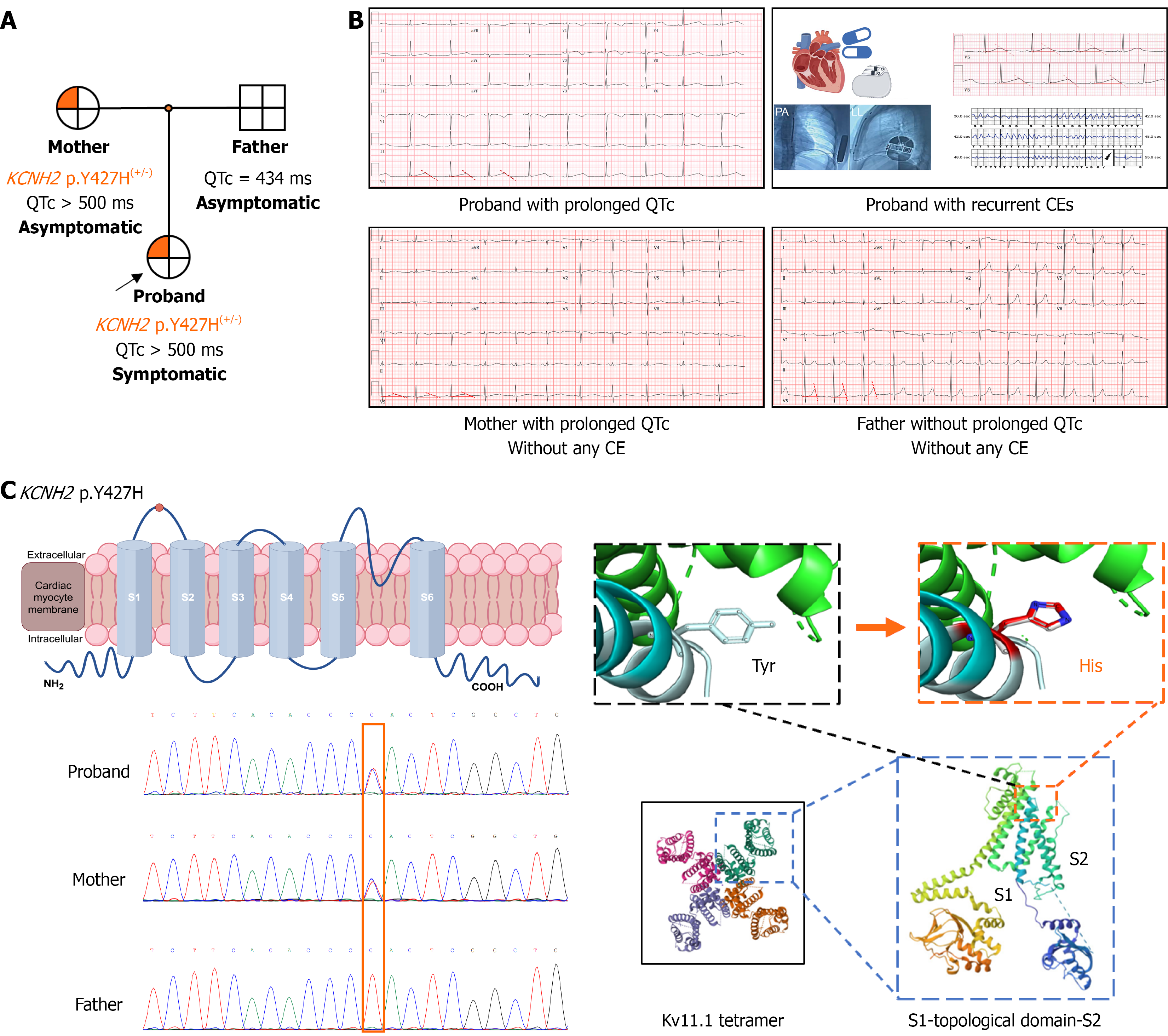
Figure 1 Clinical and genetic characterization of a family trio.
A: Pedigree of the family trio with congenital long QT syndrome type 2 (LQT2). The proband is indicated by an arrow. The genotypes and clinical phenotypes are annotated; B: 12-lead electrocardiogram of the family trio and treatment of the proband. QTc duration shortening following combination therapy with propranolol and mexiletine. The subcutaneous implantable cardioverter defibrillator tracings confirm appropriate shocks that terminate torsades de pointes and ventricular fibrillation; C: Sanger sequencing confirms heterozygosity for the KCNH2 p.Y427H variant in the proband and her mother, whereas the father does not carry this variant, consistent with findings from their induced pluripotent stem cells. The topology of the KCNH2-encoded Kv11.1 (hERG) channel shows the p.Y427H substitution, where tyrosine at position 427 is replaced by histidine in the S1-S2 topological domain. Tyr: Tyrosine; His: Histidine; CE: Cardiac event.
- Citation: Li Q, Guo CT, Ren JC, Wang YF, Zhao ZJ, Lv CH, Wang QY, Liu Q, Li K, Yang J, He R, Liu FL, Lv TT, Zhang P. Calcium dysregulation underlies phenotypic diversity in LQT2: Insights from induced pluripotent stem cell-derived cardiomyocytes of a KCNH2 p.Y427H family trio. World J Stem Cells 2026; 18(5): 117584
- URL: https://www.wjgnet.com/1948-0210/full/v18/i5/117584.htm
- DOI: https://dx.doi.org/10.4252/wjsc.v18.i5.117584