
















Copyright: ©Author(s) 2026.
World J Stem Cells. May 26, 2026; 18(5): 116280
Published online May 26, 2026. doi: 10.4252/wjsc.v18.i5.116280
Published online May 26, 2026. doi: 10.4252/wjsc.v18.i5.116280
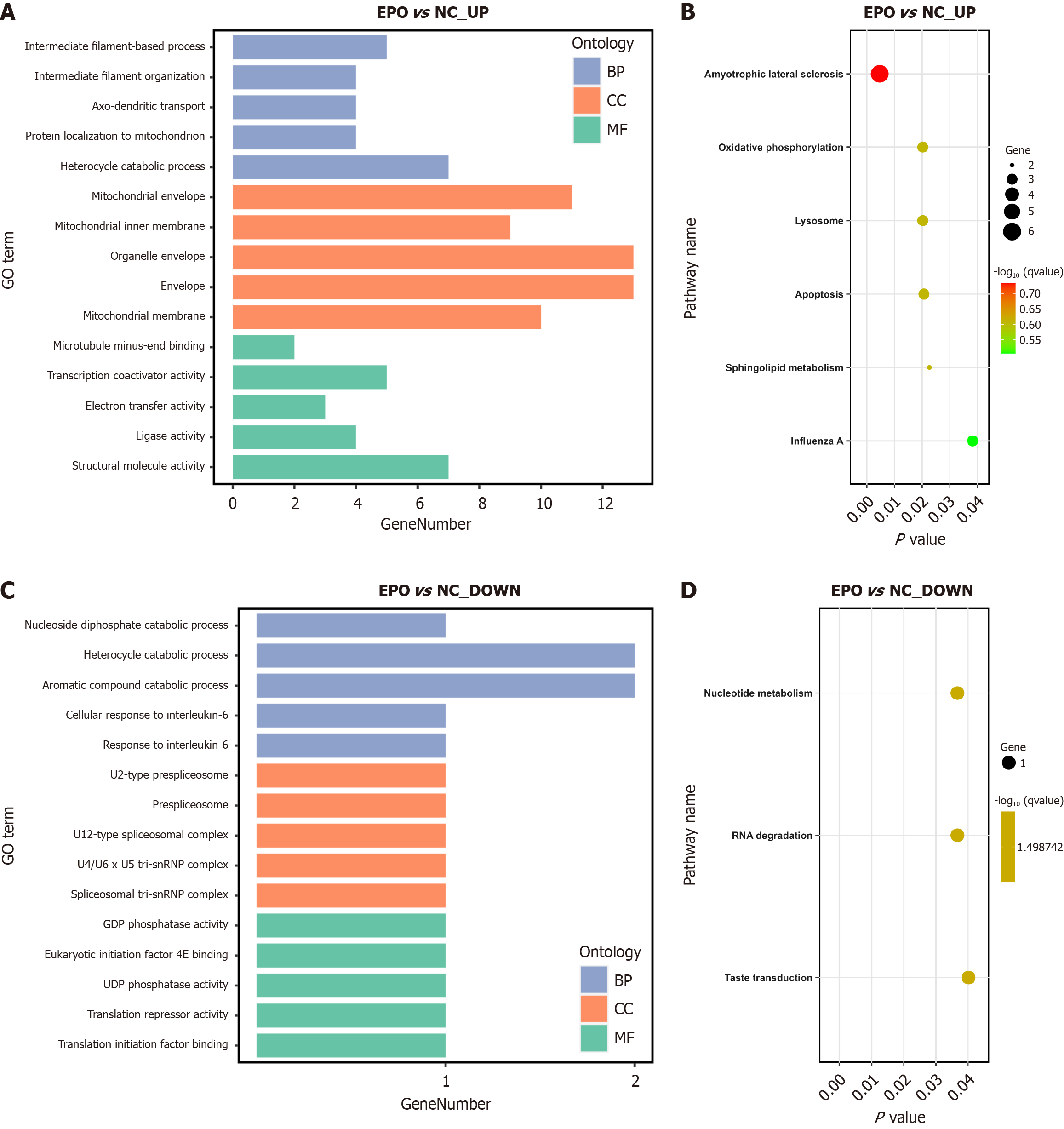
Figure 4 Proteomic analysis of skin wound tissue from diabetic mice.
A: Gene Ontology functional enrichment analysis of upregulated differentially expressed proteins (DEPs) in skin wound tissue; B: Kyoto Encyclopedia of Genes and Genomes pathway enrichment analysis of upregulated DEPs; C: Gene Ontology functional enrichment analysis of downregulated DEPs; D: Kyoto Encyclopedia of Genes and Genomes pathway enrichment analysis of downregulated DEPs. DEP: Differentially expressed protein; GO: Gene Ontology; NC: Negative control; EPO: Erythropoietin; BP: Biological processes; MF: Molecular functions; CC: Cellular components.
- Citation: Ma BD, Zhang SJ, Shao YM, Jin RR, Sun L, Lv PJ, Yue H, Hu SK, Ma XW. Erythropoietin-overexpressing mesenchymal stem cells accelerate diabetic wound healing via steroid signaling pathway modulation. World J Stem Cells 2026; 18(5): 116280
- URL: https://www.wjgnet.com/1948-0210/full/v18/i5/116280.htm
- DOI: https://dx.doi.org/10.4252/wjsc.v18.i5.116280