
















Copyright: ©Author(s) 2026.
World J Stem Cells. Apr 26, 2026; 18(4): 118621
Published online Apr 26, 2026. doi: 10.4252/wjsc.v18.i4.118621
Published online Apr 26, 2026. doi: 10.4252/wjsc.v18.i4.118621
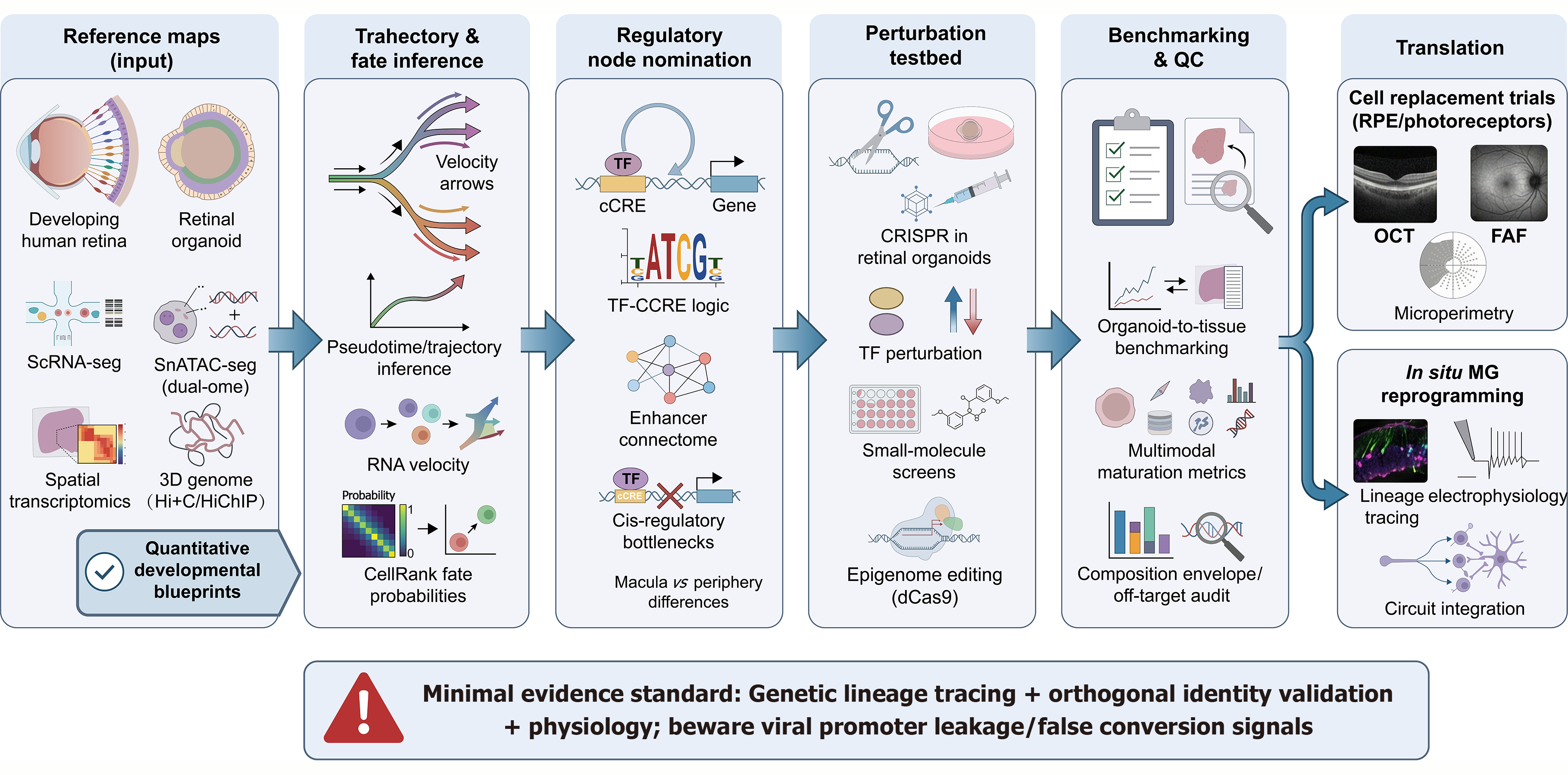
Figure 2 The “atlas-to-engineering” workflow: From quantitative blueprints to validated regenerative therapies.
This pipeline illustrates how multi-omic data is operationalized for fate engineering: (1) Reference maps (input): The integration of single-cell transcriptomics (single-cell RNA sequencing), dual-omic profiling (single nucleus assay for transposase-accessible chromatin sequencing), and spatial transcriptomics creates quantitative developmental blueprints; (2) Trajectory & fate inference: Computational frameworks such as RNA velocity and CellRank use these blueprints to define lineage directionality and probabilistic fate decision regions; (3) Regulatory node nomination: Inference of gene regulatory networks identifies the specific transcription factor and cis-regulatory element logic driving lineage restrictions; (4) Perturbation testbed: Candidate control nodes are causally validated using CRISPR-Cas9 or small-molecule screens within human retinal organoids to test their ability to shift fate; (5) Benchmarking & quality control: Engineered cells are evaluated against primary tissue references using multimodal metrics to ensure they meet composition and maturation envelopes; and (6) Translation: Validated protocols are deployed for cell replacement (with structural/functional endpoints) or in situ reprogramming. Critical caution (bottom): A minimal evidence standard is required to distinguish true regeneration from artifacts, necessitating genetic lineage tracing, orthogonal identity validation, and physiological proof-of-function to rule out viral promoter leakage. QC: Quality control; scRNA: Single-cell RNA; snATAC: Single nucleus assay for transposase-accessible chromatin; 3D: Three-dimensional; TF: Transcription factor; cCRE: Cis-regulatory element; dCas9: Catalytically dead Cas9; RPE: Retinal pigment epithelium; OCT: Optical coherence tomography; FAF: Fundus autofluorescence; MG: Müller glia.
- Citation: Xie QQ, Zeng MQ, Mao LN, Han SJ, Sun D, Zheng ZG. Multilayered control of retinal stem/progenitor cell fate in the single-cell and organoid era: Developmental blueprints and regenerative opportunities. World J Stem Cells 2026; 18(4): 118621
- URL: https://www.wjgnet.com/1948-0210/full/v18/i4/118621.htm
- DOI: https://dx.doi.org/10.4252/wjsc.v18.i4.118621