
















Copyright: ©Author(s) 2026.
World J Stem Cells. Mar 26, 2026; 18(3): 115363
Published online Mar 26, 2026. doi: 10.4252/wjsc.v18.i3.115363
Published online Mar 26, 2026. doi: 10.4252/wjsc.v18.i3.115363
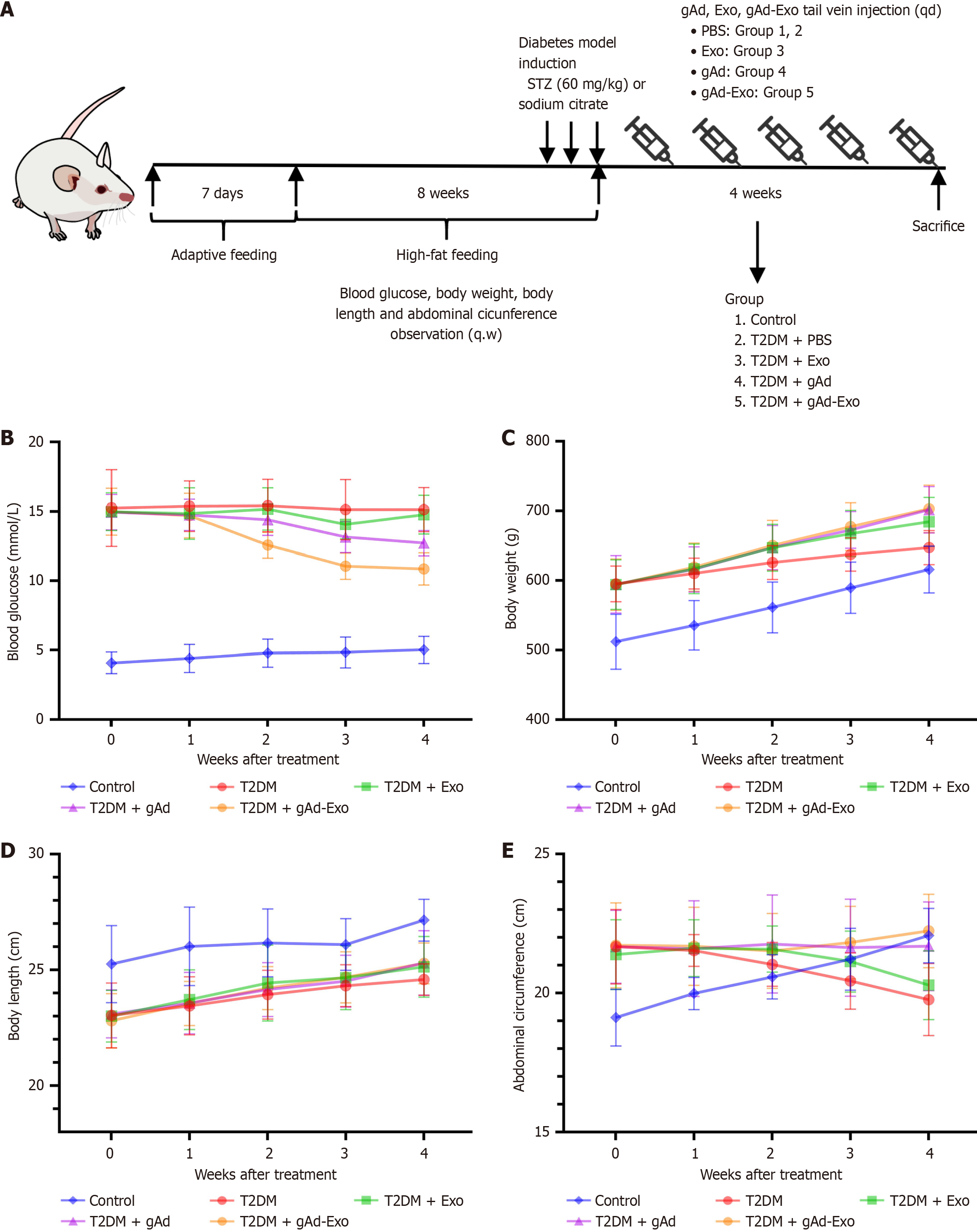
Figure 2 Streptozotocin induced diabetes in rats.
A: The rats were allowed to adapt to feeding for one week and then fed a high-fat diet for eight weeks. On day 54, diabetes was induced by intraperitoneal injection of streptozotocin [STZ; 60 mg/kg, freshly dissolved in 0.1 mmol/L sodium citrate buffer (pH = 4.5)] for three consecutive days. Blood samples were collected from the tail vein to monitor blood glucose levels, and the diabetes model was considered successfully established when fasting glucose > 11.1 mmol/L. Non-diabetic control group rats were injected with the same volume of sodium citrate buffer. After STZ treatment, the modeled rats were randomly divided into four groups: (1) Type 2 diabetes mellitus (T2DM) + phosphate buffered saline group (n = 6); (2) T2DM + exosome (Exo) group (n = 6); (3) T2DM + globular adiponectin (gAd) group (n = 6); and (4) T2DM + gAd-loaded Exo group (n = 6). These drugs were injected such as Exo, gAd, gAd-loaded Exo via tail vein every day for four consecutive weeks. After four weeks, all rats were sacrificed, and samples were collected for biochemical and molecular biology analyses; B: Blood glucose; C: Body weight; D: Body length; E: Abdominal circumference; n = 6 rats/group. STZ: Streptozotocin; T2DM: Type 2 diabetes mellitus; Exo: Exosome; gAd: Globular adiponectin; PBS: Phosphate buffered saline.
- Citation: Wang AR, Zhang YY, Liu YJ, Ren LN, Yan QH, Wang KF, Wang Y. Exosomes of adipose-derived mesenchymal stem cells loaded with globular adiponectin improve islet function for type 2 diabetes. World J Stem Cells 2026; 18(3): 115363
- URL: https://www.wjgnet.com/1948-0210/full/v18/i3/115363.htm
- DOI: https://dx.doi.org/10.4252/wjsc.v18.i3.115363