
















Copyright: ©Author(s) 2026.
World J Stem Cells. Nov 26, 2026; 18(11): 126589
Published online Nov 26, 2026. doi: 10.4252/wjsc.126589
Published online Nov 26, 2026. doi: 10.4252/wjsc.126589
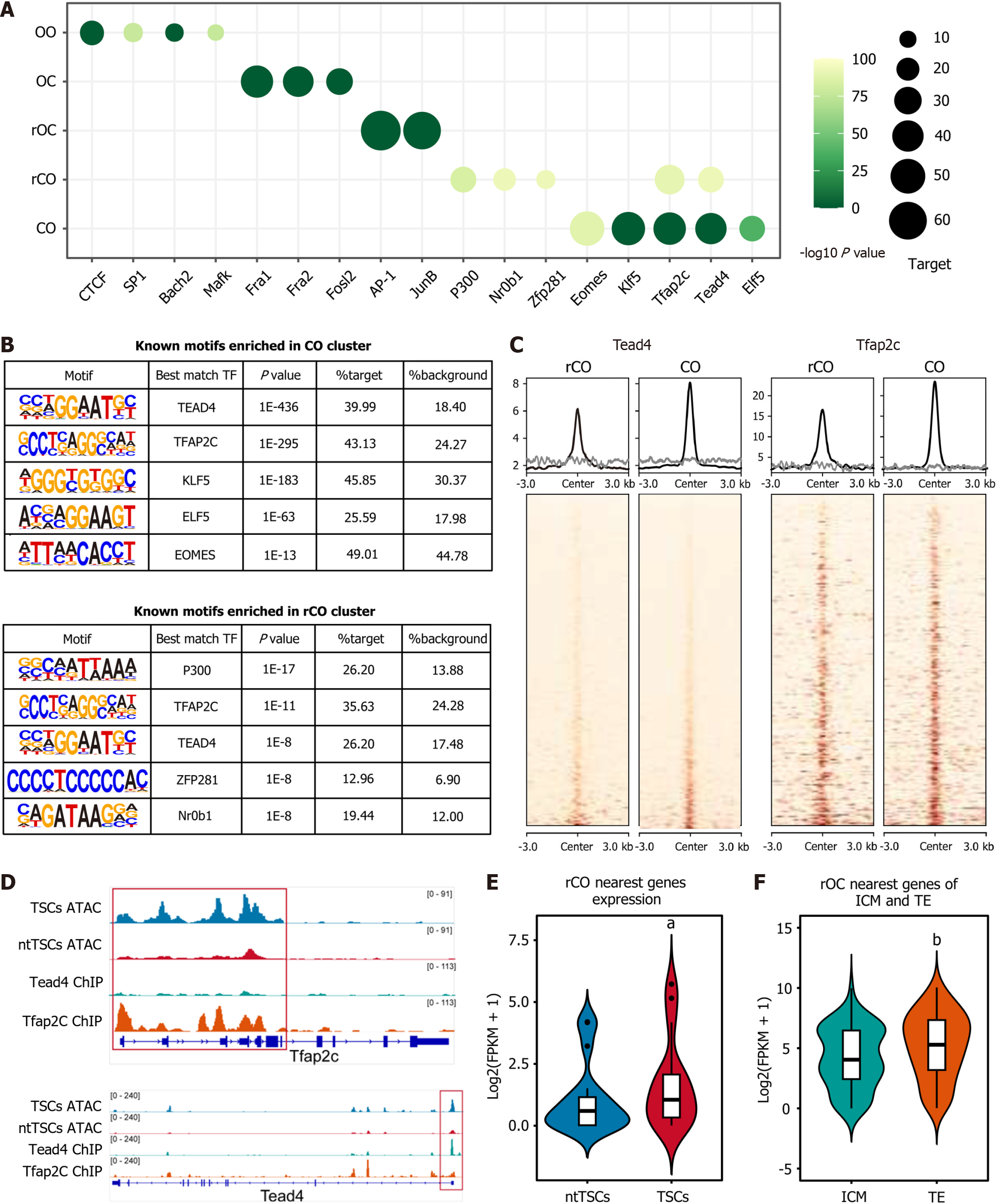
Figure 6 An incomplete transcription factor network switch is associated with the residual barrier.
A: Transcription factor motif enrichment across accessibility categories; B: Enrichment of TFAP2C and TEAD4 motifs in the closed-to-open and reprogramming-resistant closed-to-open categories; C and D: Metaprofiles and heatmaps of published TEAD4 (C) and TFAP2C (D) chromatin immunoprecipitation sequencing signal in fertilization-derived trophoblast stem cells (TSCs) at the closed-to-open and reprogramming-resistant closed-to-open regions, together with the corresponding assays for transposase-accessible chromatin using sequencing signal in nuclear transfer TSCs (ntTSCs); E: Expression of genes associated with the reprogramming-resistant closed-to-open category in TSCs vs ntTSCs. Two-sided Wilcoxon rank-sum test, n = 3 biological replicates per group; aP < 0.05, TSCs vs ntTSCs groups; F: Expression of genes associated with the reprogramming-resistant closed-to-open category in the inner cell mass (ICM) vs the trophectoderm (TE) of preimplantation embryos. bP < 0.05, TE vs ICM group. Occupancy profiles in C and D derive from published TEAD4 and TFAP2C chromatin immunoprecipitation sequencing data generated in fertilization-derived TSCs and do not measure occupancy in ntTSCs. Numerical data are given as mean ± SEM unless stated otherwise. TSC: Trophoblast stem cell; ntTSC: Nuclear transfer trophoblast stem cell; OO: Open-to-open; OC: Open-to-closed; rOC: Reprogramming-resistant open-to-closed; rCO: Reprogramming-resistant closed-to-open; CO: Closed-to-open; ChIP: Chromatin immunoprecipitation; ICM: Inner cell mass; TE: Trophectoderm.
- Citation: Ding B, Dou CL, Li X, Wang XG. Promoter-proximal chromatin accessibility is associated with restricted developmental competence of somatic cell nuclear transfer-derived trophoblast stem cells. World J Stem Cells 2026; 18(11): 126589
- URL: https://www.wjgnet.com/1948-0210/full/v18/i11/126589.htm
- DOI: https://dx.doi.org/10.4252/wjsc.126589