
















Copyright: ©Author(s) 2026.
World J Stem Cells. Nov 26, 2026; 18(11): 126589
Published online Nov 26, 2026. doi: 10.4252/wjsc.126589
Published online Nov 26, 2026. doi: 10.4252/wjsc.126589
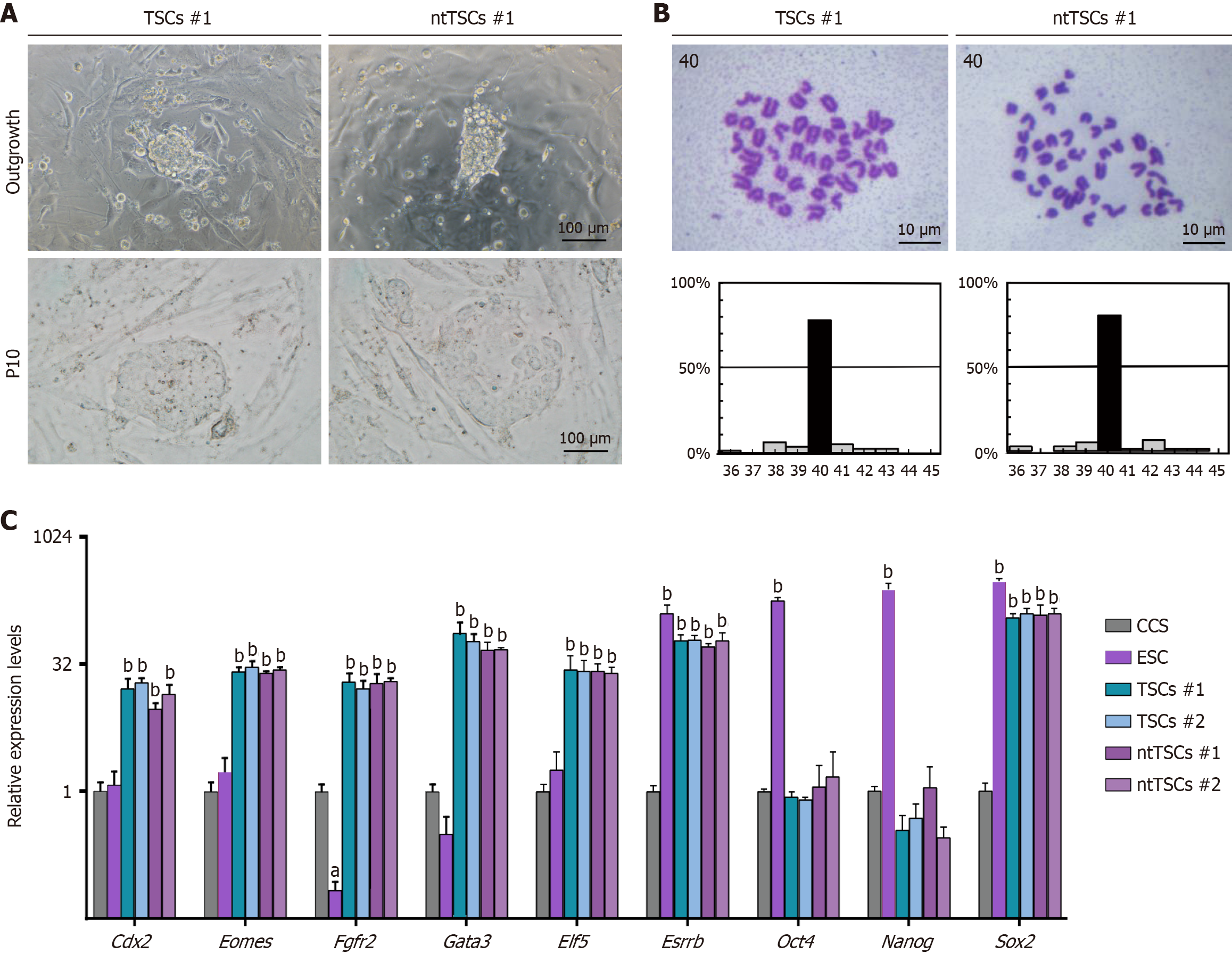
Figure 1 Establishment and characterization of nuclear transfer trophoblast stem cells.
A: Representative phase-contrast images of primary outgrowths and established colonies of nuclear transfer trophoblast stem cells (ntTSCs) and fertilization-derived trophoblast stem cells (TSCs). Scale bar = 100 μm; B: Representative Giemsa-stained metaphase spreads and karyotype distribution; C: Reverse transcription-quantitative polymerase chain reaction analysis of trophoblast stem cell-associated (Cdx2, Eomes, Fgfr2, Gata3, Elf5, Esrrb, Sox2) and pluripotency-associated (Oct4, Nanog) genes, with cumulus cells and embryonic stem cells shown as somatic and pluripotent reference populations, respectively. Data are mean ± SEM. aP < 0.01, bP < 0.001. TSC: Trophoblast stem cell; ntTSC: Nuclear transfer trophoblast stem cell; ESC: Embryonic stem cell; CCS: Cumulus cell.
- Citation: Ding B, Dou CL, Li X, Wang XG. Promoter-proximal chromatin accessibility is associated with restricted developmental competence of somatic cell nuclear transfer-derived trophoblast stem cells. World J Stem Cells 2026; 18(11): 126589
- URL: https://www.wjgnet.com/1948-0210/full/v18/i11/126589.htm
- DOI: https://dx.doi.org/10.4252/wjsc.126589