
















Copyright: ©Author(s) 2026.
World J Stem Cells. Oct 26, 2026; 18(10): 125673
Published online Oct 26, 2026. doi: 10.4252/wjsc.125673
Published online Oct 26, 2026. doi: 10.4252/wjsc.125673
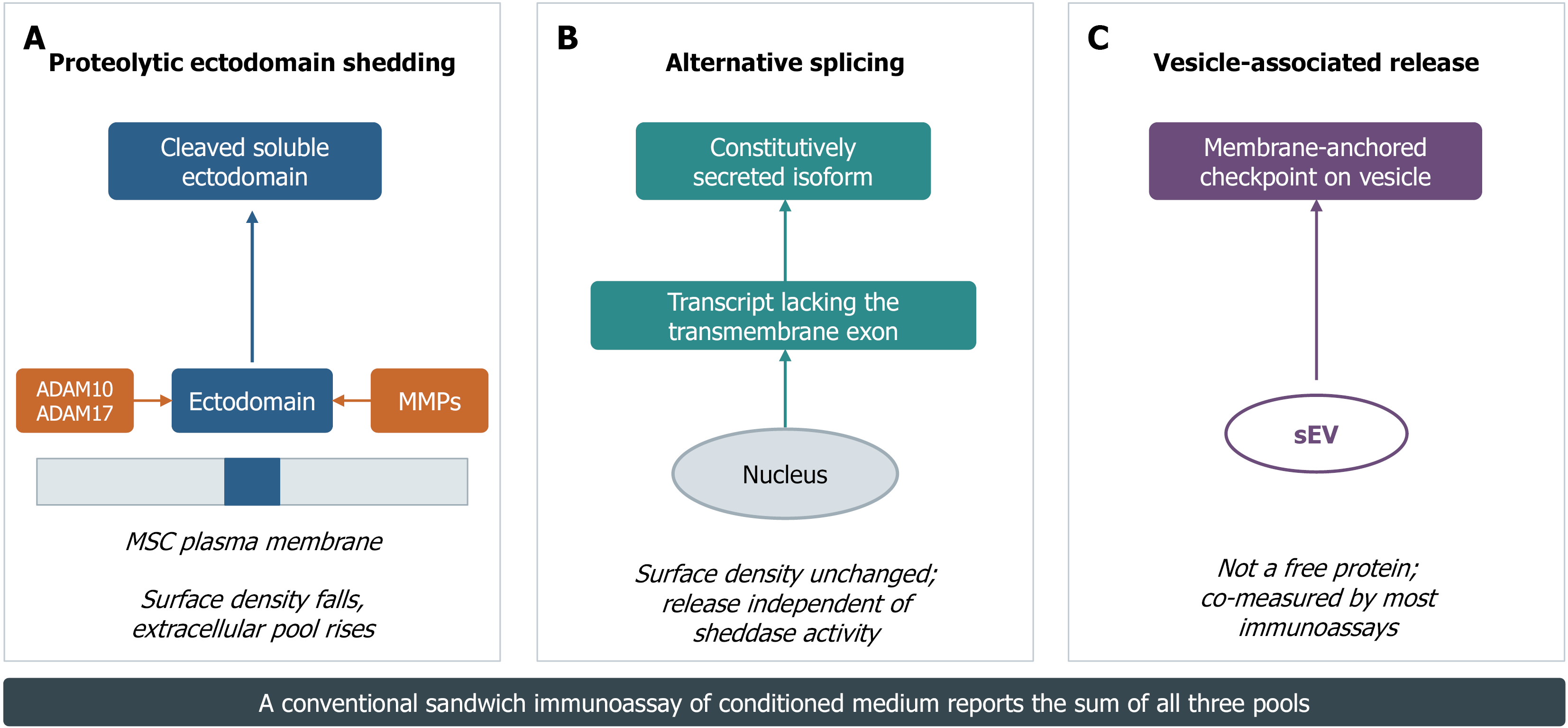
Figure 1 Three routes by which immune checkpoint proteins enter the extracellular space.
A: Proteolytic ectodomain shedding. Membrane-anchored checkpoints are cleaved within the juxtamembrane stalk by a disintegrin and metalloproteinase 10 (ADAM10), ADAM17 or matrix metalloproteinases, releasing an active ectodomain while reducing surface density; B: Alternative splicing. Transcripts lacking the transmembrane exon yield an isoform that is secreted constitutively, without any requirement for sheddase activity and without depleting the surface pool; C: Vesicle-associated release. The checkpoint remains membrane-anchored but is displayed on small extracellular vesicles. Because conventional sandwich immunoassays capture epitopes irrespective of the physical state of the analyte, a single reported concentration typically represents the sum of all three pools. ADAM10: A disintegrin and metalloproteinase 10; MMPs: Matrix metalloproteinases; MSC: Mesenchymal stromal cell; sEV: Small extracellular vesicle.
- Citation: Al-Karawi AS, Al-Budairi AS. Soluble immunosuppressive checkpointome of mesenchymal stromal cells: Immunoregulatory mechanisms and a conceptual framework for potency assessment. World J Stem Cells 2026; 18(10): 125673
- URL: https://www.wjgnet.com/1948-0210/full/v18/i10/125673.htm
- DOI: https://dx.doi.org/10.4252/wjsc.125673