
















Copyright: ©Author(s) 2026.
World J Stem Cells. Oct 26, 2026; 18(10): 125423
Published online Oct 26, 2026. doi: 10.4252/wjsc.125423
Published online Oct 26, 2026. doi: 10.4252/wjsc.125423
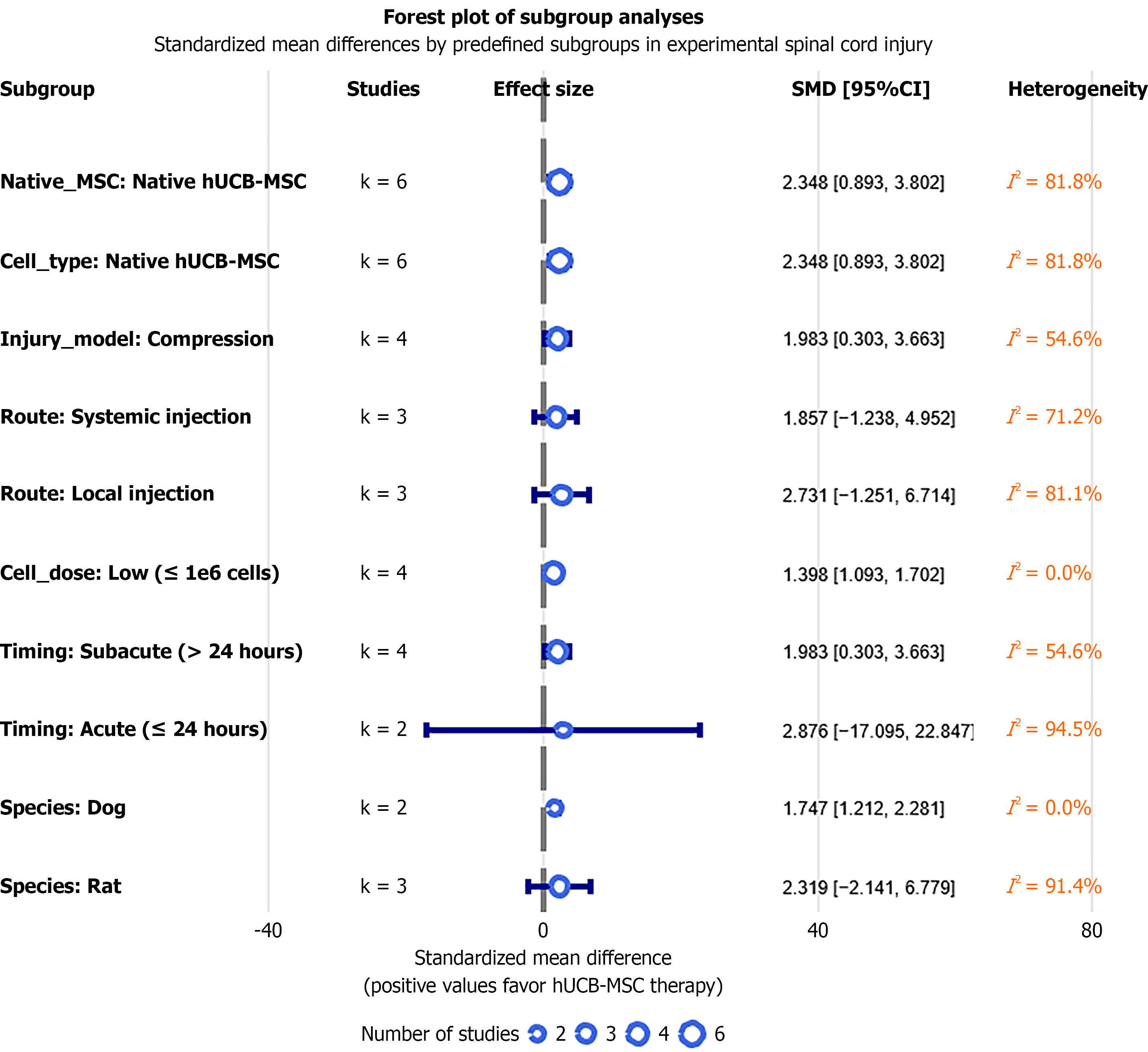
Figure 3 Forest plot of subgroup analyses for functional recovery.
The plot presents pooled standardized mean differences (SMDs) with 95% confidence intervals for predefined subgroups investigating potential sources of heterogeneity. Significant effects were observed in canine models (P = 0.015), subacute intervention timing (P = 0.033), low-dose therapy (P < 0.001), and compression injury models (P = 0.033). All outcomes have been harmonized to the convention that higher values indicate better recovery; positive SMD values favor human umbilical cord blood-derived mesenchymal stem cell therapy. The dashed vertical line at SMD = 0 represents the null effect. Note: No studies administered human umbilical cord blood-derived mesenchymal stem cells in the chronic phase (> 2 weeks post-injury); therefore, the “timing of intervention” subgroup includes only acute (≤ 24 hours) and subacute (> 24 hours to ≤ 2 weeks) categories. The low-dose subgroup comprised only four studies using absolute cell counts without interspecies dose normalization; the observed I2 = 0% should not be interpreted as evidence of true biological homogeneity (see the Limitations section for details). CI: Confidence interval; SMD: Standardized mean difference; hUCB-MSCs: Human umbilical cord blood-derived mesenchymal stem cells.
- Citation: Liao LQ, Liang RX, Ren ZX, Wang YY, Wei W, Li YS. Human umbilical cord blood-derived mesenchymal stem cell therapy in experimental spinal cord injury: A systematic review and meta-analysis. World J Stem Cells 2026; 18(10): 125423
- URL: https://www.wjgnet.com/1948-0210/full/v18/i10/125423.htm
- DOI: https://dx.doi.org/10.4252/wjsc.125423