
















Copyright: ©Author(s) 2026.
World J Stem Cells. Oct 26, 2026; 18(10): 124640
Published online Oct 26, 2026. doi: 10.4252/wjsc.124640
Published online Oct 26, 2026. doi: 10.4252/wjsc.124640
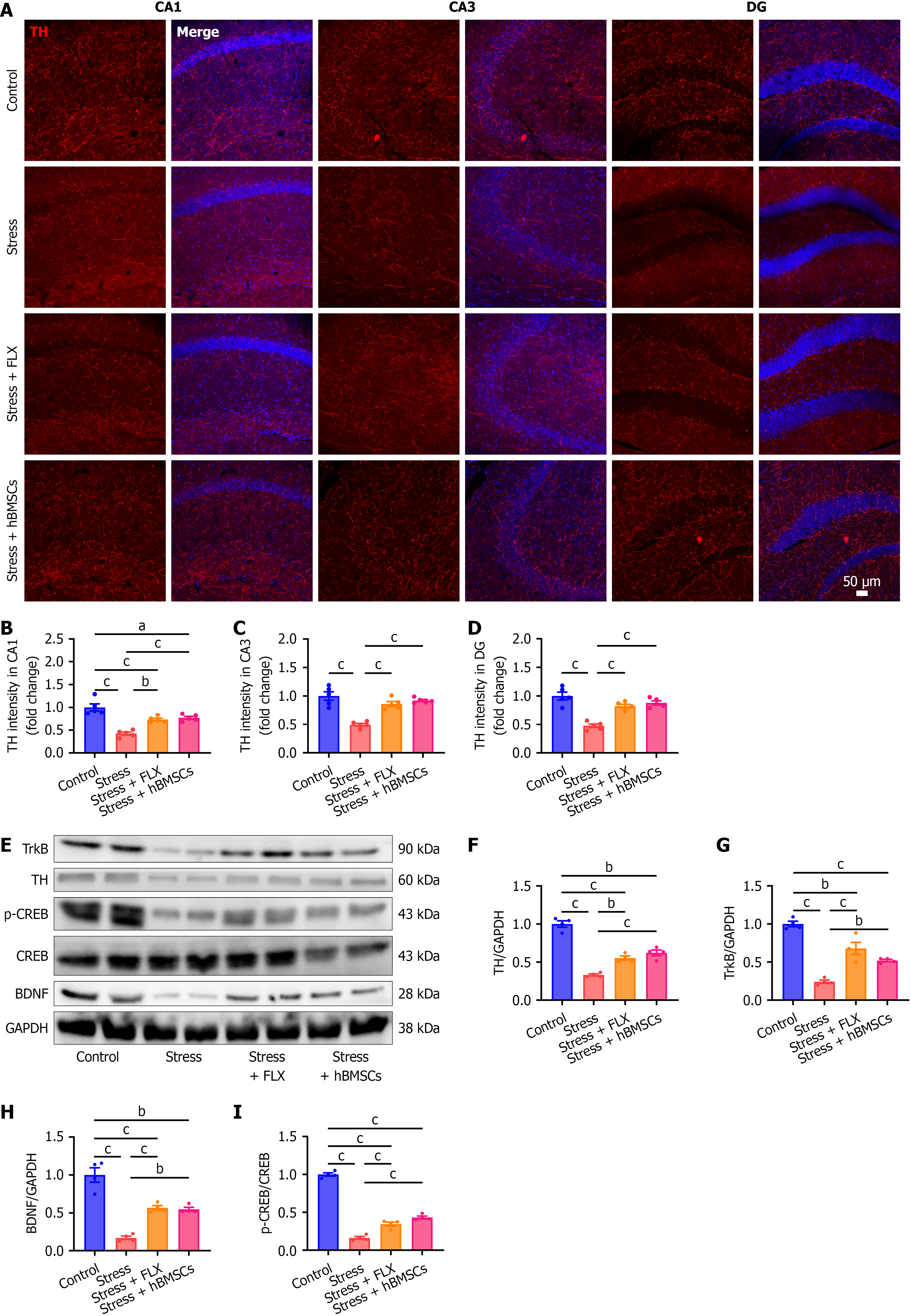
Figure 9 Neuroprotective effects of human bone marrow-derived mesenchymal stem cells were associated with the brain-derived neurotrophic factor/tropomyosin receptor kinase B/cAMP response element-binding protein signaling pathway.
A: Representative immunofluorescence images of tyrosine hydroxylase (TH) in the different subregions of the hippocampus; B-D: Quantification of relative fluorescence intensity of TH in CA1 (B), CA3 (C), and dentate gyrus (DG) (D) regions (n = 5 per group); E: Western blot plot of protein in the different groups; F-H: Relative expression levels of TH (F), tropomyosin receptor kinase B (G), and brain-derived neurotrophic factor (H) normalized to GAPDH; I: Relative levels phospho-cAMP response element-binding protein (CREB)/CREB. (n = 4 per group). aP < 0.05, bP < 0.01, cP < 0.001. Data were analyzed using one-way analysis of variance followed by Tukey’s multiple-comparisons test (mean ± SEM). FLX: Fluoxetine; hBMSCs: Human bone-marrow-derived mesenchymal stem cells; TH: Tyrosine hydroxylase; DG: Dentate gyrus; TrkB: Tropomyosin receptor kinase B; p-CREB: Phospho-cAMP response element-binding protein; CREB: CAMP response element-binding protein; BDNF: Brain-derived neurotrophic factor.
- Citation: Liu Y, Wu JF, Xu MY, Kang J, Ye AH, Liu B, Liu KZ. Human bone marrow-derived mesenchymal stem cells alleviate fluoxetine-resistant depression-like behaviors in mice by multi-target effects in the hippocampus. World J Stem Cells 2026; 18(10): 124640
- URL: https://www.wjgnet.com/1948-0210/full/v18/i10/124640.htm
- DOI: https://dx.doi.org/10.4252/wjsc.124640