
















©The Author(s) 2025.
World J Stem Cells. Sep 26, 2025; 17(9): 108657
Published online Sep 26, 2025. doi: 10.4252/wjsc.v17.i9.108657
Published online Sep 26, 2025. doi: 10.4252/wjsc.v17.i9.108657
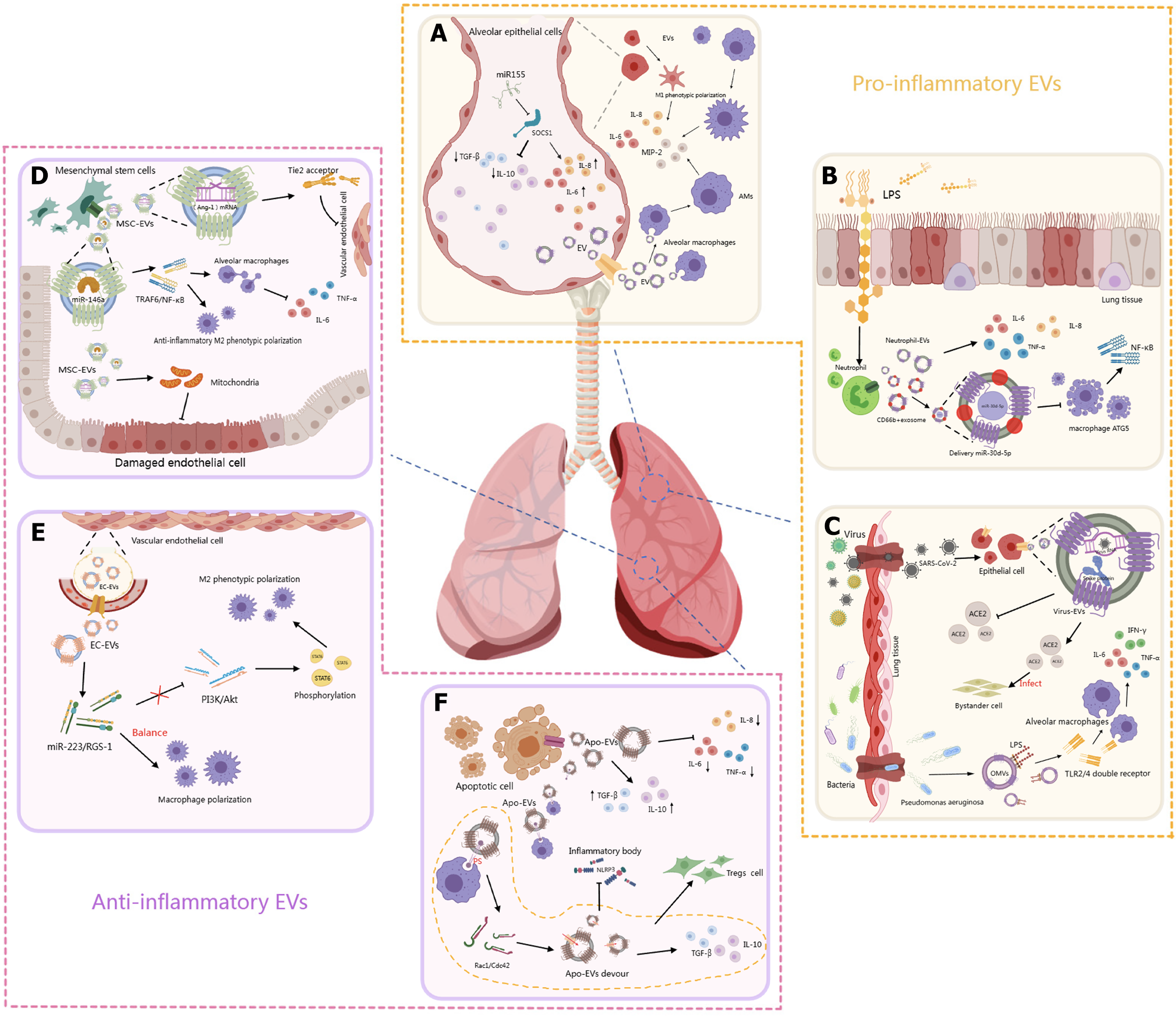
Figure 2 Pro-inflammatory and anti-inflammatory mechanisms of extracellular vesicles.
A: Alveolar epithelial cell-derived extracellular vesicles (EVs) contribute to lung inflammation by releasing pro-inflammatory factors such as miR-155, interleukin-1β, and interleukin-6. These EVs promote alveolar macrophage activation and cytokine release, exacerbating the inflammatory environment; B: In response to lipopolysaccharide and infection, lung epithelial cells release pro-inflammatory EVs carrying inflammatory mediators. These EVs stimulate macrophages and neutrophils, enhance nuclear factor-kappa B activation, and drive acute lung injury progression; C: Infections stimulate epithelial cells to release EVs containing viral RNA and cytokines, promoting alveolar macrophage M1 polarization and immune cell recruitment, thus amplifying pulmonary inflammation; D: Mesenchymal stem cell-derived extracellular vesicles attenuate lung injury by enhancing mitochondrial function, reducing endothelial damage, and promoting anti-inflammatory M2 macrophage polarization through tumor necrosis factor receptor-associated factor 1 inhibition and tumor necrosis factor-α downregulation; E: EVs from vascular endothelial cells promote M2 macrophage polarization via the phosphatidylinositol 3-kinase/protein kinase B pathway, mediated by miR-222 and miR-5. This maintains macrophage balance and contributes to resolution of inflammation in vascular-associated lung injury; F: Apoptotic bodies modulate immune responses by promoting regulatory T cell differentiation and reducing pro-inflammatory cytokines, thereby exerting anti-inflammatory effects and limiting tissue damage. EVs: Extracellular vesicles; SOCS1: Suppressing cytokine signaling suppressor 1; IL: Interleukin; TGF: Transforming growth factor; MIP-2: Macrophage inflammatory protein-2; AMs: Alveolar macrophages; PS: Phosphatidylserine; LPS: Lipopolysaccharide; TNF: Tumor necrosis factor; NF-κB: Nuclear factor-kappa B; ATG5: Autophagy related 5; SARS-CoV-2: Severe acute respiratory syndrome coronavirus 2; ACE2: Angiotensin-converting enzyme 2; IFN: Interferon; TLR2/4: Toll-like receptor 2/4; OMVs: Outer membrane vesicles; Ang-1: Angiopoietin-1; MSC-EVs: Mesenchymal stem cell-derived extracellular vesicles; TRAF6: Tumor necrosis factor receptor-associated factor 6; EC-EVs: Endothelial cell-derived extracellular vesicles; PI3K: Phosphatidylinositol 3-kinase; Akt: Protein kinase B; STAT6: Signal transducer and activator of transcription 6; RGS-1: Regulator of G-protein signaling 1; Treg: Regulatory T cell; Apo-EVs: Apoptotic bodies; NLRP3: Nucleotide-binding oligomerization domain-, leucine-rich repeat-, and pyrin domain- containing receptor 3.
- Citation: Tie YF, Liu H, Zhang T, Meng TW, Liang Q. Dual role and clinical application of extracellular vesicles in acute respiratory distress syndrome: Mechanism analysis and translational challenges. World J Stem Cells 2025; 17(9): 108657
- URL: https://www.wjgnet.com/1948-0210/full/v17/i9/108657.htm
- DOI: https://dx.doi.org/10.4252/wjsc.v17.i9.108657