
















©The Author(s) 2025.
World J Stem Cells. Nov 26, 2025; 17(11): 111162
Published online Nov 26, 2025. doi: 10.4252/wjsc.v17.i11.111162
Published online Nov 26, 2025. doi: 10.4252/wjsc.v17.i11.111162
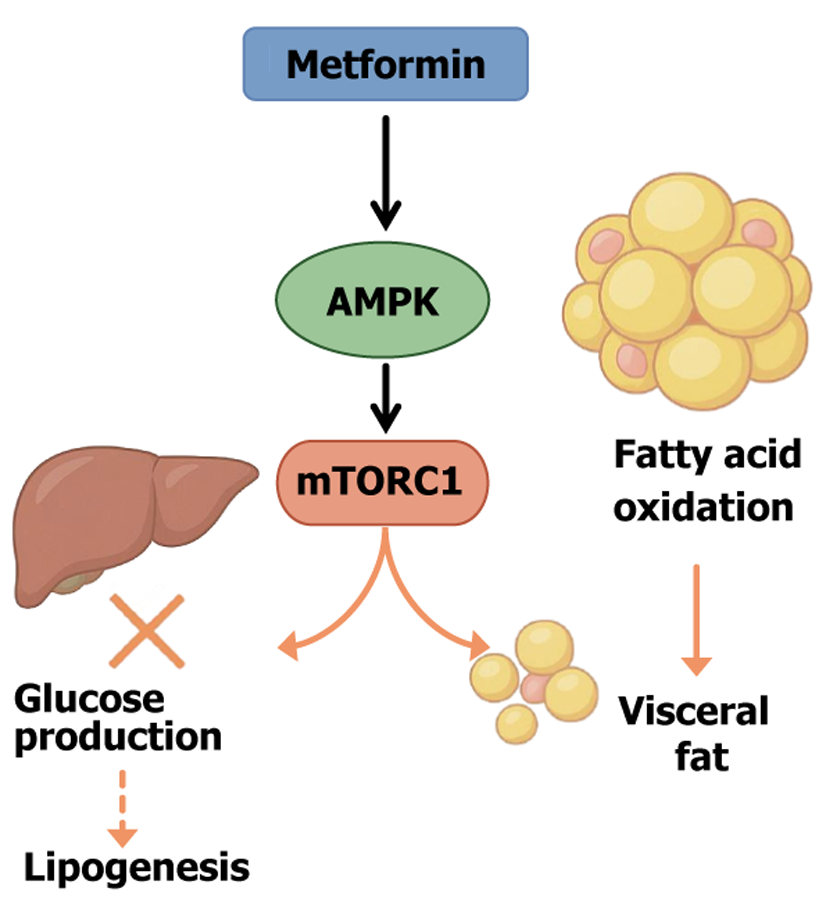
Figure 2 Metformin-mediated metabolic reprogramming via adenosine monophosphate-activated protein kinase/mechanistic target of rapamycin complex 1 pathway.
This diagram illustrates the core mechanisms by which metformin exerts its metabolic benefits in obesity and type 2 diabetes. Metformin activates adenosine monophosphate-activated protein kinase, a key energy sensor that downregulates anabolic processes and promotes catabolism. Activated adenosine monophosphate-activated protein kinase inhibits the mechanistic target of rapamycin complex 1, thereby suppressing hepatic gluconeogenesis and lipogenesis while enhancing fatty acid oxidation. These actions collectively contribute to reduced hepatic glucose output, decreased lipid accumulation, and diminished visceral fat mass. Moreover, through its impact on adipocyte metabolism and inflammation, metformin supports insulin sensitivity and improves adipose tissue function. AMPK: Adenosine monophosphate-activated protein kinase; mTORC1: Mechanistic target of rapamycin complex 1.
- Citation: Luo C, Yu XM, Hua LY, Zeng MQ, Xu H, Duan CZ, Xu SY, Sun D, Ye LY, He DJ. Targeting adipose remodeling: Synergistic mechanisms of drugs and adipose-derived stem cells in obese type 2 diabetes mellitus. World J Stem Cells 2025; 17(11): 111162
- URL: https://www.wjgnet.com/1948-0210/full/v17/i11/111162.htm
- DOI: https://dx.doi.org/10.4252/wjsc.v17.i11.111162