
















©The Author(s) 2025.
World J Stem Cells. Oct 26, 2025; 17(10): 110507
Published online Oct 26, 2025. doi: 10.4252/wjsc.v17.i10.110507
Published online Oct 26, 2025. doi: 10.4252/wjsc.v17.i10.110507
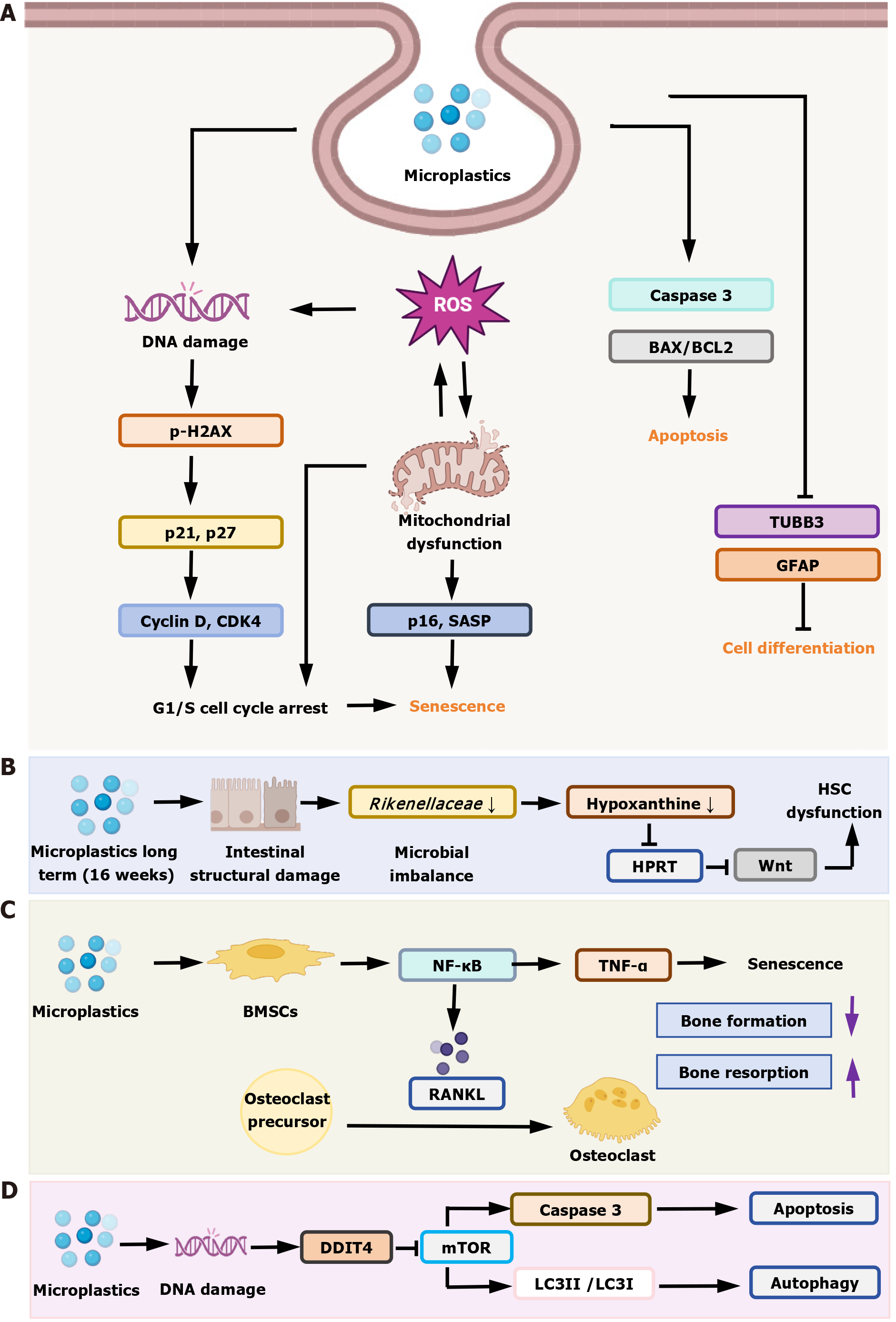
Figure 3 The key mechanism of microplastics’ effect on stem cells based on existing evidence.
A: Microplastics affect neural stem cells; B: Microplastics affect hematopoietic stem cells by disrupting the gut microbiota-hypoxanthine-Wnt axis; C: Microplastics affect bone marrow mesenchymal stem cells; D: Microplastics affect kidney progenitor cells through DNA damage inducible transcript 4-mediated autophagy and apoptosis. Created in BioRender (Supplementary material). p-H2AX: Phosphorylated H2A histone family member; p21: Cyclin-dependent kinase inhibitor 1A; p27: Cyclin-dependent kinase inhibitor 1B; CDK4: Cyclin dependent kinase 4; p16: Cyclin-dependent kinase inhibitor 2A; SASP: Senescence-associated secretory phenotype; BCL2: B-cell lymphoma-2; BAX: B-cell lymphoma-2 associated X; TUBB3: Tubulin beta 3 class III; GFAP: Glial fibrillary acidic protein; HPRT: Hypoxanthine-guanine phosphoribosyltransferase; HSC: Hematopoietic stem cell; BMSCs: Bone marrow mesenchymal stem cells; NF-κB: Nuclear factor kappa B; TNF-α: Tumor necrosis factor-α; RANKL: Receptor activator of nuclear factor kappa B ligand; DDIT4: DNA damage inducible transcript 4; mTOR: Mechanistic target of rapamycin; LC3-II: Light chain 3 II; LC3-I: Light chain 3 I.
- Citation: Zheng JH, Li YT, Yang ST, Jia SY, Zheng LW, Wan M. Silent saboteurs: How microplastics disrupt stem cells and tissue regeneration. World J Stem Cells 2025; 17(10): 110507
- URL: https://www.wjgnet.com/1948-0210/full/v17/i10/110507.htm
- DOI: https://dx.doi.org/10.4252/wjsc.v17.i10.110507