
















Copyright: ©Author(s) 2027.
World J Gastroenterol. Jan 14, 2027; 33(2): 125661
Published online Jan 14, 2027. doi: 10.3748/wjg.125661
Published online Jan 14, 2027. doi: 10.3748/wjg.125661
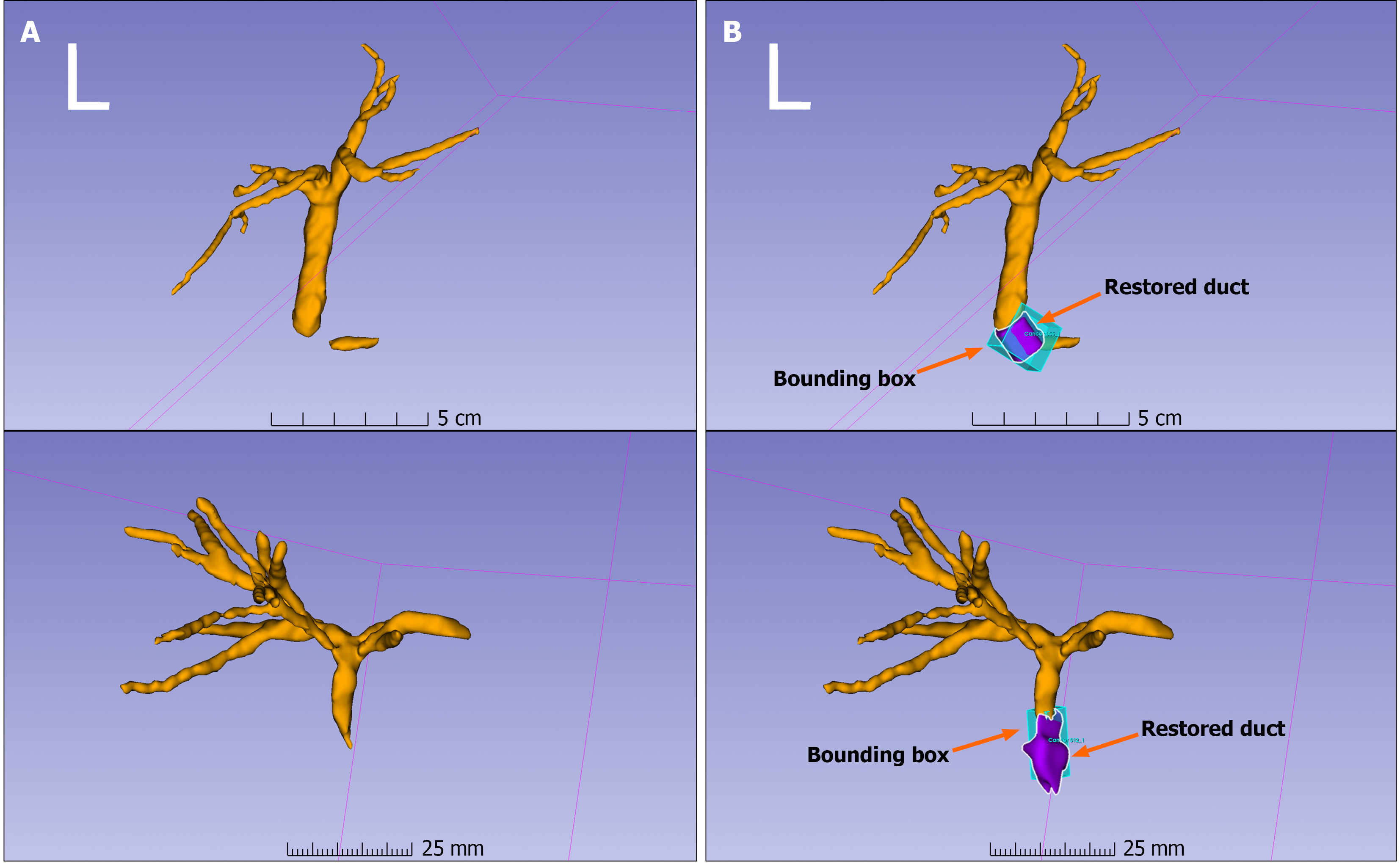
Figure 3 Representative morphology-restoration examples.
A: Original stenotic duct geometry; B: Restored target segment and localization box overlaid on the biliary tree. Arrows explicitly indicate the restored ductal segment and the corresponding ground-truth bounding-box region. The two rows show different representative examples.
- Citation: Chun JH, Hong JW, Hou JU, Lee KJ, Park DH, Cha HW, Park SW, Min SJ, Yu W. Artificial intelligence-driven three-dimensional modeling of biliary strictures using magnetic resonance cholangiopancreatography for quantitative assessment and stent planning. World J Gastroenterol 2027; 33(2): 125661
- URL: https://www.wjgnet.com/1007-9327/full/v33/i2/125661.htm
- DOI: https://dx.doi.org/10.3748/wjg.125661