
















Copyright: ©Author(s) 2027.
World J Gastroenterol. Jan 7, 2027; 33(1): 123358
Published online Jan 7, 2027. doi: 10.3748/wjg.123358
Published online Jan 7, 2027. doi: 10.3748/wjg.123358
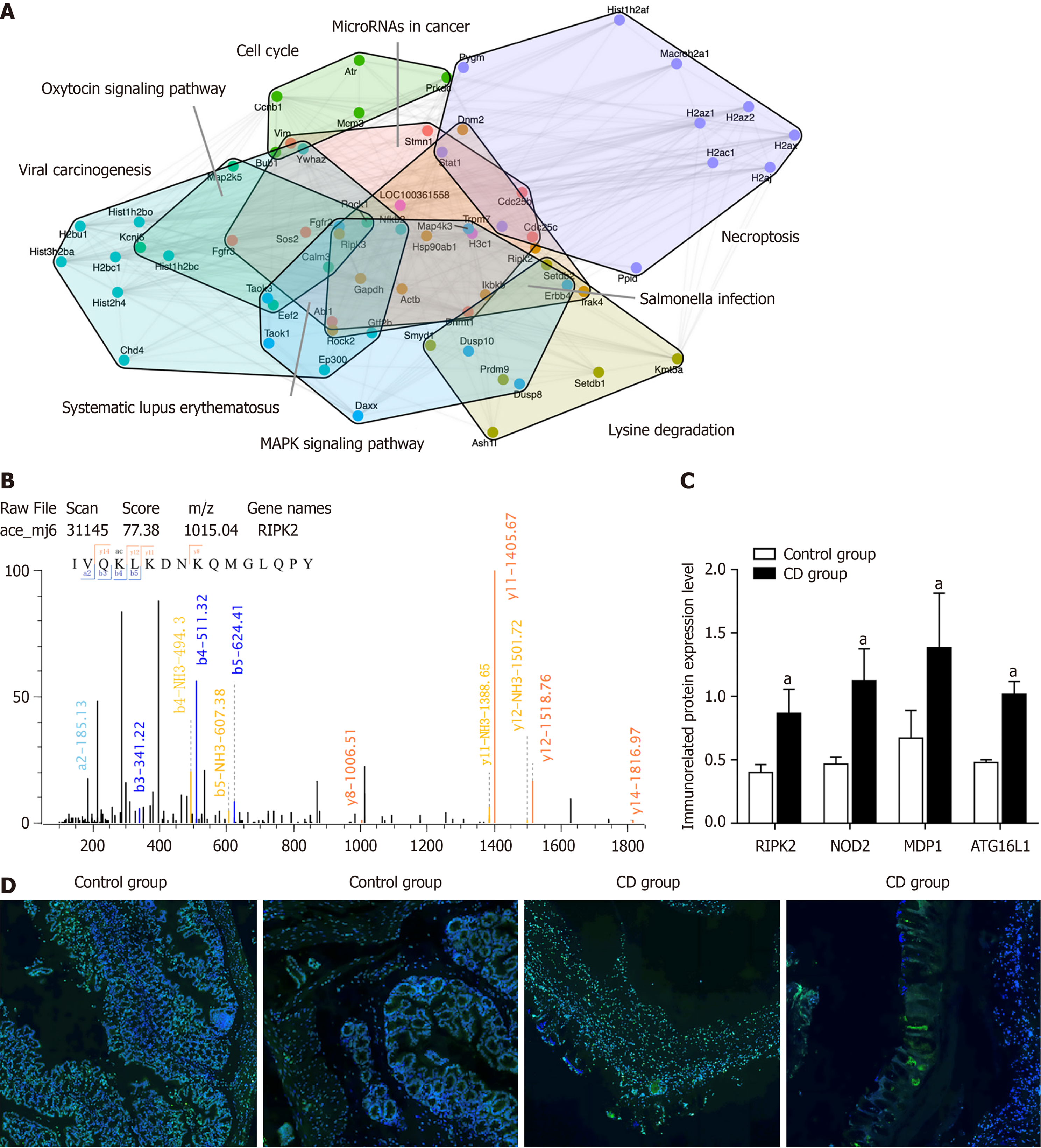
Figure 5 Protein interaction networks and validation of key acetylation events.
A: Protein-protein interaction network of differentially acetylated proteins. Nodes represent acetylated proteins, and edges represent known or predicted interactions. Modules enriched in key pathways are highlighted by distinct colored regions; B: Western blot analysis of innate immune regulators receptor-interacting serine/threonine-protein kinase 2 (RIPK2), nucleotide-binding oligomerization domain-containing protein 2, magnesium dependent phosphatase 1, and ATG16 L1. Data are presented as mean ± SEM. P < 0.01 indicates significant upregulation in Crohn’s disease (CD) model group compared to control. n = 3 biological replicates per group; C: Immunofluorescence staining of RIPK2 (green) in colonic sections. Left: Control group; right: CD model group. Nuclei were counterstained with 4’,6-diamidino-2-phenylindole (blue). Scale bar: 50 μm. n = 2 biological replicates per group; D: Representative mass spectrometry (MS)/MS spectrum of RIPK2 depicting fragment ions containing lysine 508 (K508ac), with a characteristic mass shift of +42.01 Da indicative of acetylation, the Y-axis represents the relative abundance of fragment ions. aP < 0.01. CD: Crohn’s disease; MAPK: Mitogen-activated protein kinase; RIPK2: Receptor-interacting serine/threonine-protein kinase 2; NOD2: Nucleotide-binding oligomerization domain-containing protein 2; MDP1: Magnesium dependent phosphatase 1.
- Citation: Guo YJ, Wen J, Liu JX, Gao YN, Chen XW. Identification of region-specific signaling modules governing Crohn’s pathogenesis via mass spectrometry-based integrative acetyl-proteomics. World J Gastroenterol 2027; 33(1): 123358
- URL: https://www.wjgnet.com/1007-9327/full/v33/i1/123358.htm
- DOI: https://dx.doi.org/10.3748/wjg.123358