
















©The Author(s) 2026.
World J Gastroenterol. Feb 28, 2026; 32(8): 115675
Published online Feb 28, 2026. doi: 10.3748/wjg.v32.i8.115675
Published online Feb 28, 2026. doi: 10.3748/wjg.v32.i8.115675
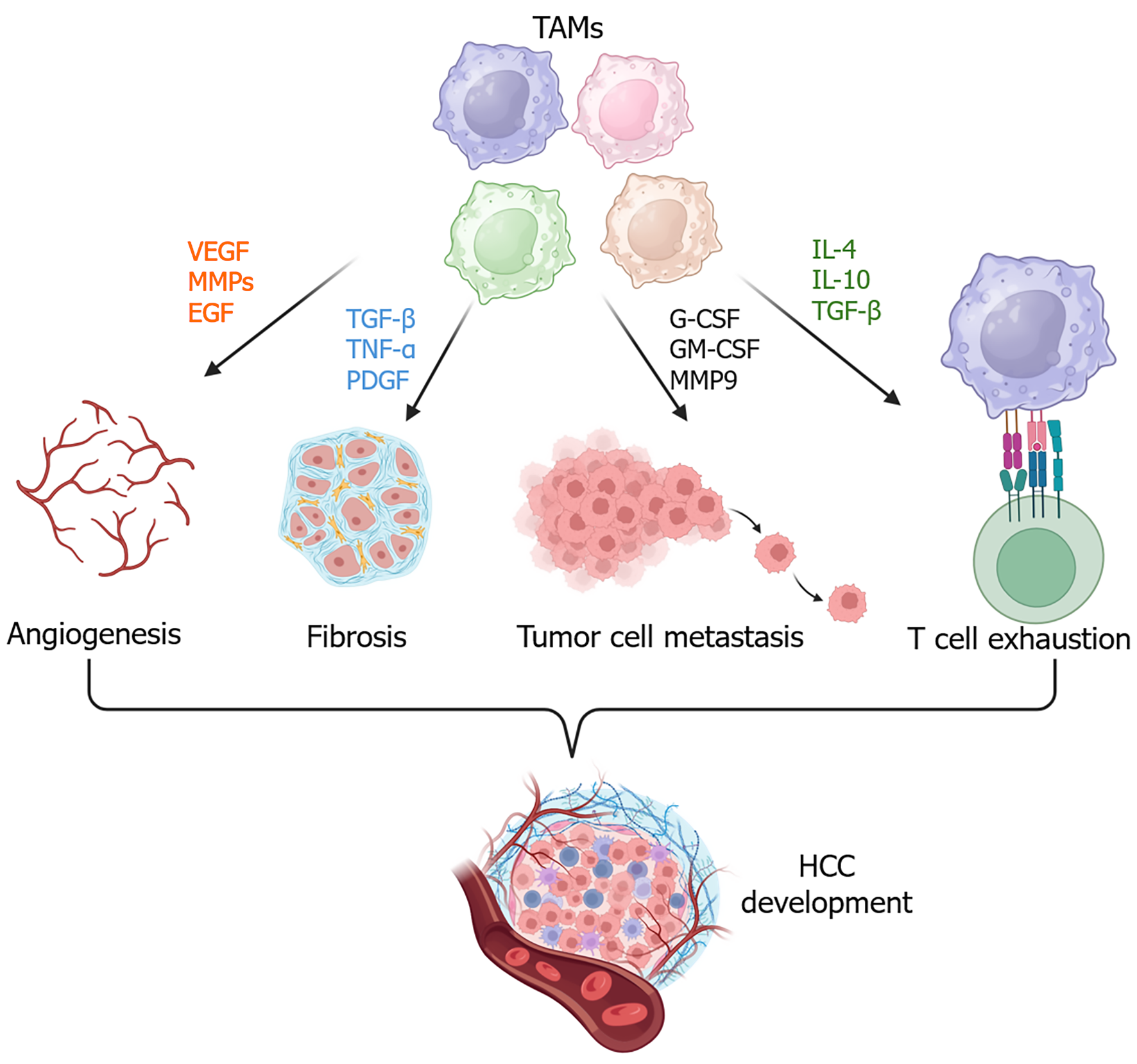
Figure 1 Tumor-associated macrophages contribute to hepatocellular carcinoma development.
Tumor-associated macrophages contribute to an immunosuppressive tumor microenvironment by activating or inducing angiogenesis, fibrosis, tumor cell metastasis, and T cell exhaustion. TAMs: Tumor-associated macrophages; VEGF: Vascular endothelial growth factor; MMPs: Matrix metalloproteinases; EGF: Endothelial growth factor; TGF: Transforming growth factor; TNF: Tumor necrosis factor; PDGF: Platelet-derived growth factor; G-CSF: Granulocyte colony-stimulating factor; GM-CSF: Granulocyte-macrophage colony-stimulating factor; IL: Interleukin; HCC: Hepatocellular carcinoma.
- Citation: Yang M, Zhang CY. Molecular mechanisms of tumor-associated macrophages in hepatocellular carcinoma development and therapy. World J Gastroenterol 2026; 32(8): 115675
- URL: https://www.wjgnet.com/1007-9327/full/v32/i8/115675.htm
- DOI: https://dx.doi.org/10.3748/wjg.v32.i8.115675