
















©The Author(s) 2026.
World J Gastroenterol. Feb 14, 2026; 32(6): 113804
Published online Feb 14, 2026. doi: 10.3748/wjg.v32.i6.113804
Published online Feb 14, 2026. doi: 10.3748/wjg.v32.i6.113804
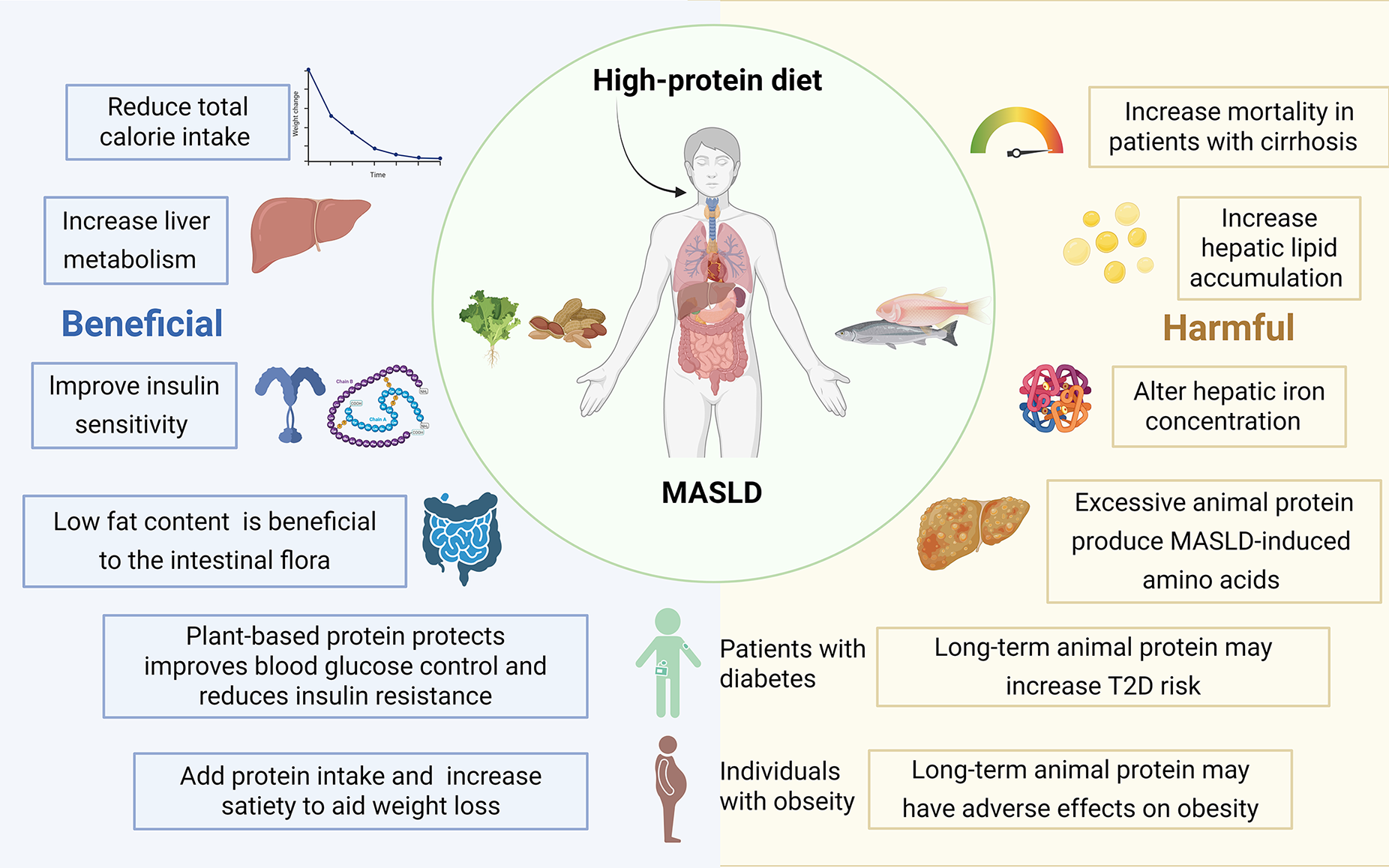
Figure 4 Clinical evidence of protein source and type on metabolic dysfunction-associated steatotic liver disease outcomes across study designs.
High-protein diets, especially those rich in animal-derived proteins, worsen metabolic dysfunction-associated steatotic liver disease by accelerating hepatic lipid accumulation, disturbing hepatic iron homeostasis, and generating metabolic dysfunction-associated steatotic liver disease-inducing amino acid metabolites that alter intestinal flora composition, heightening overall mortality in patients with cirrhosis. On the contrary, other studies have found a high-protein diet improves insulin sensitivity and rebalances gut microbial ecology, conferring a beneficial hepatic metabolic profile. MASLD: Metabolic dysfunction-associated steatotic liver disease; T2D: Type 2 diabetes.
- Citation: Yin HY, You QH, Zhang WJ, Ji G, Dang YQ. High-protein diets and metabolic dysfunction-associated steatotic liver disease: A double-edged sword in liver health. World J Gastroenterol 2026; 32(6): 113804
- URL: https://www.wjgnet.com/1007-9327/full/v32/i6/113804.htm
- DOI: https://dx.doi.org/10.3748/wjg.v32.i6.113804