
















©The Author(s) 2026.
World J Gastroenterol. Feb 14, 2026; 32(6): 113804
Published online Feb 14, 2026. doi: 10.3748/wjg.v32.i6.113804
Published online Feb 14, 2026. doi: 10.3748/wjg.v32.i6.113804
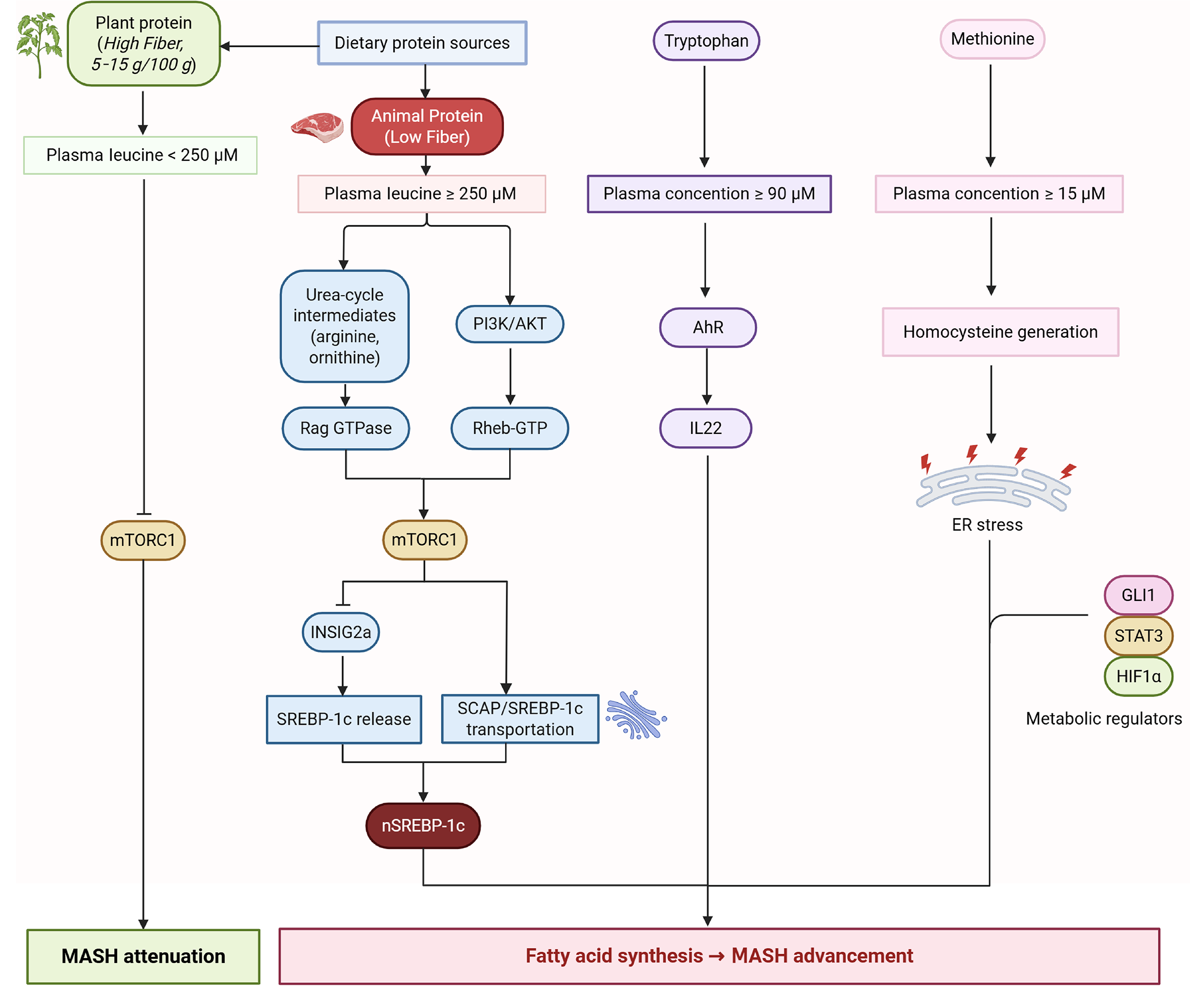
Figure 3 Dietary protein sources and metabolic regulation in metabolic dysfunction-associated steatotic liver disease progression.
This schematic illustrates the differential metabolic impacts of plant-derived vs animal-derived dietary proteins on systemic amino acid profiles and hepatic signaling pathways relevant to metabolic dysfunction-associated steatotic liver disease and metabolic dysfunction-associated steatohepatitis. Plant proteins provide higher fiber and lower leucine bioavailability, maintaining plasma leucine < 250 μmol/L. In contrast, animal proteins (low fiber) elevate plasma leucine ≥ 250 μmol/L and increase methionine and tryptophan concentrations. Elevated leucine activates the Rag GTPase-Rheb-GTP axis, thereby stimulating mechanistic target of rapamycin complex 1 signaling and downstream transcriptional programs, including sterol regulatory element-binding protein-1c cleavage and nuclear translocation, promoting de novo lipogenesis. Concurrently, high methionine intake raises homocysteine levels, while arginine and ornithine serve as urea-cycle intermediates that modulate phosphatidylinositol 3-kinase/protein kinase B activity. These changes converge on endoplasmic reticulum stress, signal transducer and activator of transcription 3 and hypoxia inducible factor-1 alpha activation, and interleukin 22 induction, collectively exacerbating hepatic steatosis and inflammation. Conversely, plant-protein-associated lower leucine availability attenuates mechanistic target of rapamycin complex 1-sterol regulatory element-binding protein-1c signaling and favors metabolic dysfunction-associated steatohepatitis attenuation. mTORC1: Mechanistic target of rapamycin complex 1; PI3K: Phosphatidylinositol 3-kinase; AKT: Protein kinase B; AhR: Aryl hydrocarbon receptor; IL22: Interleukin 22; SCAP: Sterol regulatory element-binding protein-cleavage-activating protein; SREBP-1c: Sterol regulatory element-binding protein-1c; ER: Endoplasmic reticulum; GLI1: Glioma-associated oncogene homolog 1; STAT3: Signal transducer and activator of transcription 3; HIF-1α: Hypoxia inducible factor-1 alpha; MASH: Metabolic dysfunction-associated steatohepatitis; Rag GTPase: Ras-related GTP-binding protein; Rheb: Ras homolog enriched in brain.
- Citation: Yin HY, You QH, Zhang WJ, Ji G, Dang YQ. High-protein diets and metabolic dysfunction-associated steatotic liver disease: A double-edged sword in liver health. World J Gastroenterol 2026; 32(6): 113804
- URL: https://www.wjgnet.com/1007-9327/full/v32/i6/113804.htm
- DOI: https://dx.doi.org/10.3748/wjg.v32.i6.113804