
















©The Author(s) 2026.
World J Gastroenterol. Feb 14, 2026; 32(6): 113804
Published online Feb 14, 2026. doi: 10.3748/wjg.v32.i6.113804
Published online Feb 14, 2026. doi: 10.3748/wjg.v32.i6.113804
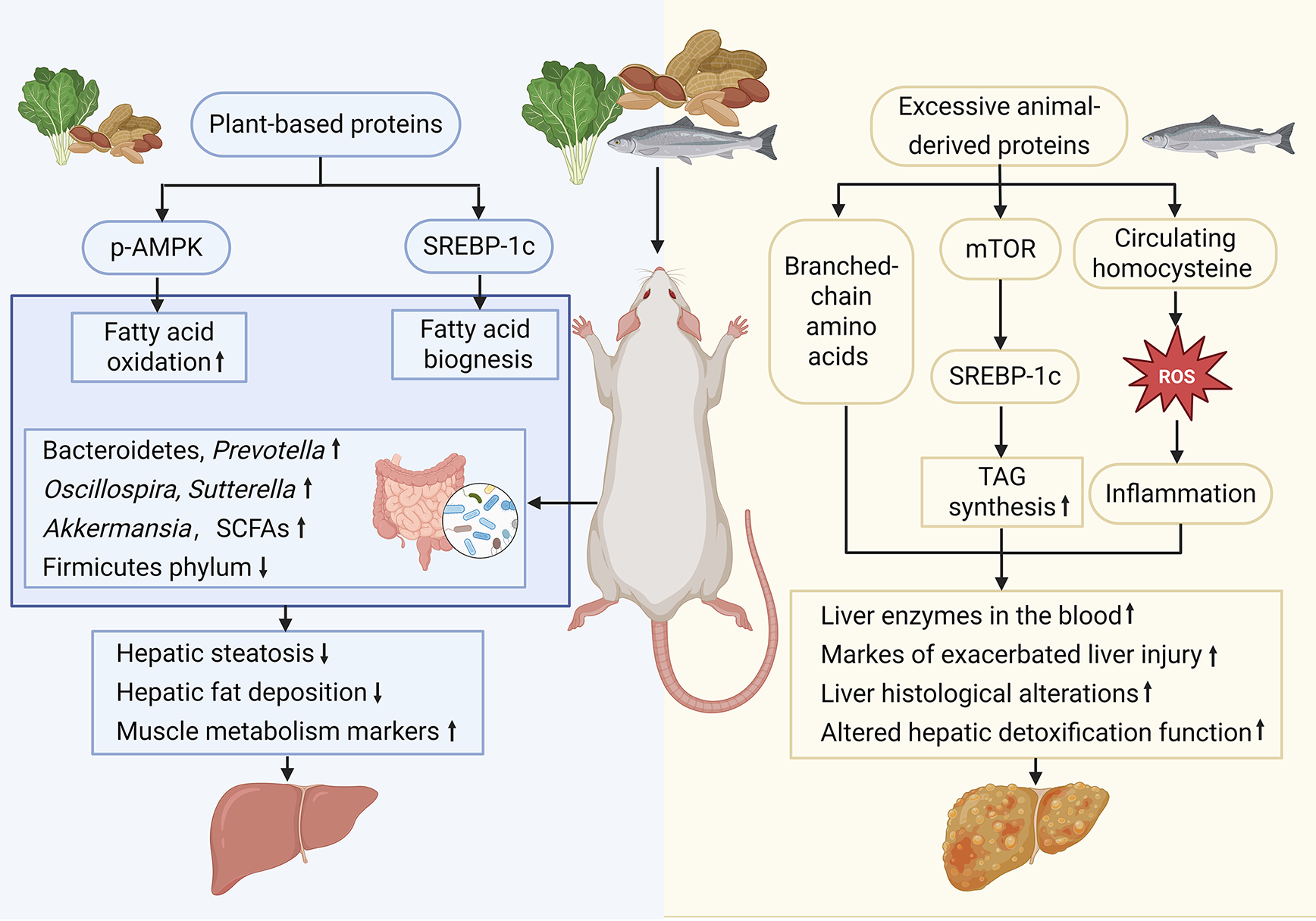
Figure 2 Animal experiments on the dual roles of high-protein diets in metabolic dysfunction-associated steatotic liver disease development and progression.
Compared with diets rich in animal-derived proteins, plant-based protein intake beneficially remodels hepatic lipid metabolism and gut microbiota. Some plant proteins are related to the increase of beneficial bacteria in the intestinal flora, but the intake of plant proteins is usually accompanied by fiber co-ingestion and resistant starch, conducive to the increase of beneficial bacteria. Diets high in animal protein upregulate mechanistic target of rapamycin and sterol regulatory element-binding protein-1c, elevate circulating branched-chain amino acids and homocysteine, and suppress phosphorylation-AMP-activated protein kinase, shifting the balance toward fatty acid biogenesis and away from oxidation, increasing triacylglycerol synthesis, hepatic steatosis, serum liver enzyme levels, and markers of liver injury. Conversely, plant-based proteins expand populations of Bacteroidetes, Prevotella, Akkermansia, and short-chain fatty acid producers while decreasing the relative abundance of Firmicutes, resulting in reduced hepatic fat deposition, ameliorated histological alterations, improved hepatic detoxification capacity, and attenuated systemic inflammation. p-AMPK: Phosphorylation-AMP-activated protein kinase; SREBP-1c: Sterol regulatory element-binding protein-1c; SCFAs: Short-chain fatty acids; mTOR: Mechanistic target of rapamycin; TAG: Triacylglycerol; ROS: Reactive oxygen species.
- Citation: Yin HY, You QH, Zhang WJ, Ji G, Dang YQ. High-protein diets and metabolic dysfunction-associated steatotic liver disease: A double-edged sword in liver health. World J Gastroenterol 2026; 32(6): 113804
- URL: https://www.wjgnet.com/1007-9327/full/v32/i6/113804.htm
- DOI: https://dx.doi.org/10.3748/wjg.v32.i6.113804