
















Copyright: ©Author(s) 2026.
World J Gastroenterol. Nov 21, 2026; 32(43): 121944
Published online Nov 21, 2026. doi: 10.3748/wjg.121944
Published online Nov 21, 2026. doi: 10.3748/wjg.121944
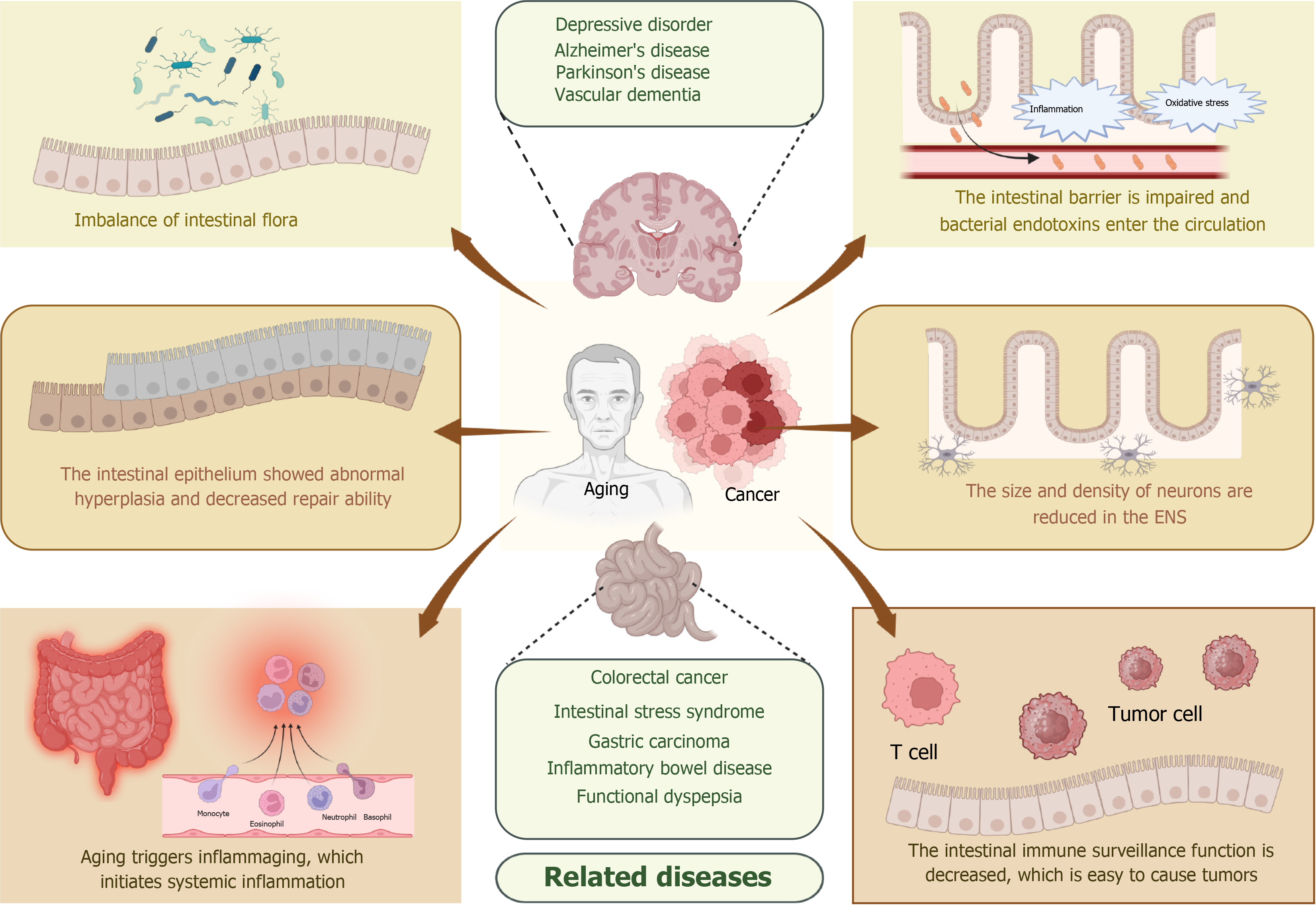
Figure 2 Pathological changes of the brain-gut axis in aging.
Aging can lead to alterations in the homeostasis of the gastrointestinal tract. For instance, aging can cause impaired intestinal barrier function, dysbiosis, and weakened immune surveillance, resulting in the entry of bacterial endotoxins into the bloodstream, systemic inflammatory responses, and oxidative stress. At the local level in the intestine, abnormal proliferation of epithelial cells accompanied by weakened repair capacity, along with a reduction in the number and density of neurons in the enteric nervous system, collectively form the pathological basis for the imbalance of intestinal homeostasis. Additionally, there is abnormal function of immune cells in the gastrointestinal tract and a decline in the immune surveillance function of the intestinal epithelium. These changes are mediated through the immune-neuro-endocrine network and are closely associated with various diseases. ENS: Enteric nervous system.
- Citation: Xu X, Qu CK, Bao LL, Zhang YX, Wang WJ, Ye YQ. Bridge of imbalance: How does the brain-gut axis act as a catalyst for gastrointestinal tumors in aging. World J Gastroenterol 2026; 32(43): 121944
- URL: https://www.wjgnet.com/1007-9327/full/v32/i43/121944.htm
- DOI: https://dx.doi.org/10.3748/wjg.121944