
















Copyright: ©Author(s) 2026.
World J Gastroenterol. Nov 21, 2026; 32(43): 121944
Published online Nov 21, 2026. doi: 10.3748/wjg.121944
Published online Nov 21, 2026. doi: 10.3748/wjg.121944
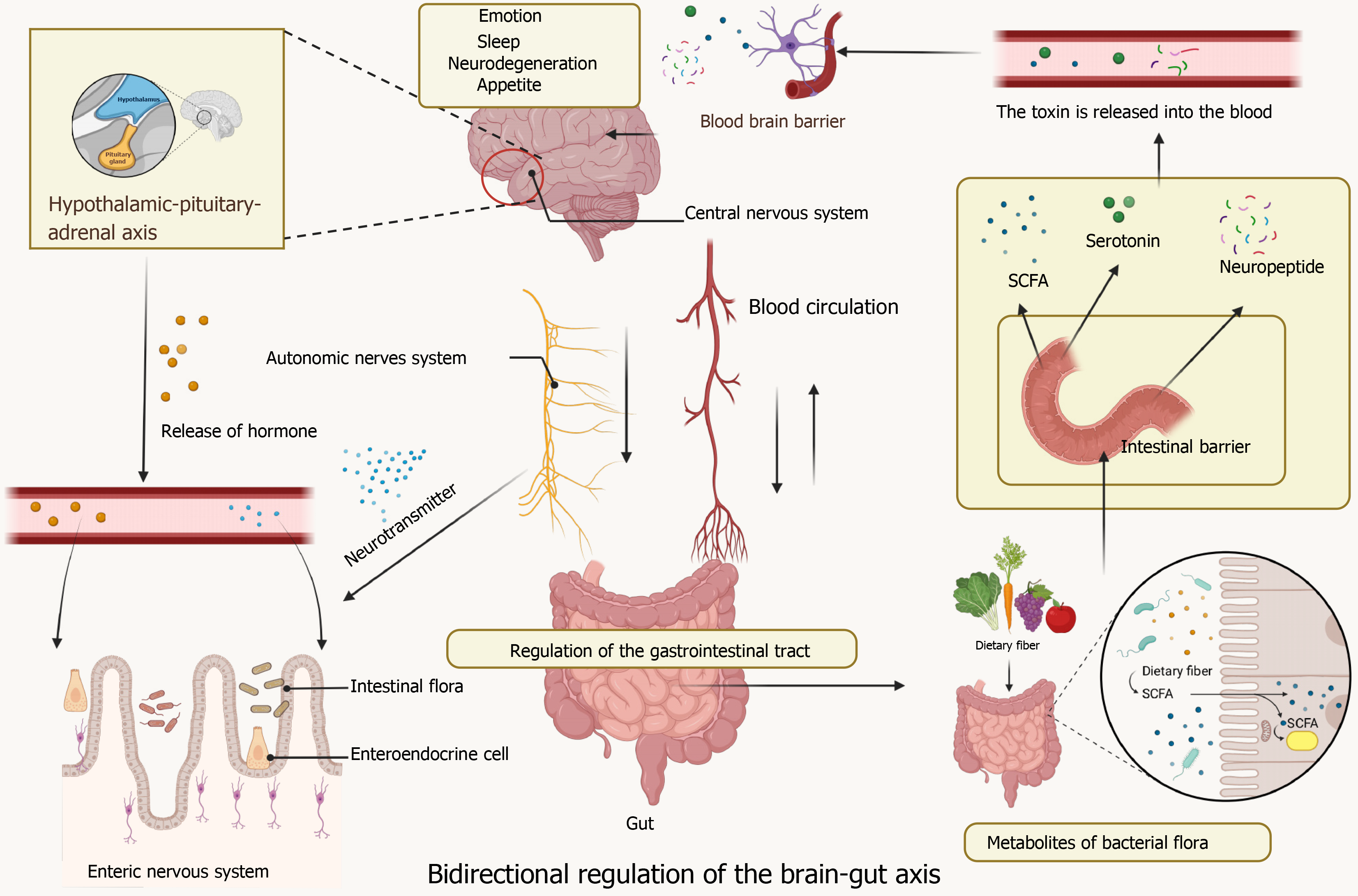
Figure 1 Mechanisms of bidirectional regulation of the brain-gut axis.
The brain-gut axis is a bidirectional signal regulation system formed between the central nervous system and the gut through neural, endocrine and immune pathways. The gut transmits signals to the brain through the vagus nerve, metabolites such as short-chain fatty acids and hormones, while the brain regulates the intestinal function through the autonomic nervous system and hypothalamic-pituitary-adrenal axis. Both of them are involved in the regulation of appetite, mood, metabolism and immunity. In this process, intestinal flora plays a crucial role through its metabolites and immune regulation. Its imbalance is closely related to a variety of diseases, including neurodegenerative diseases, obesity, and inflammatory bowel diseases. SCFA: Short-chain fatty acid.
- Citation: Xu X, Qu CK, Bao LL, Zhang YX, Wang WJ, Ye YQ. Bridge of imbalance: How does the brain-gut axis act as a catalyst for gastrointestinal tumors in aging. World J Gastroenterol 2026; 32(43): 121944
- URL: https://www.wjgnet.com/1007-9327/full/v32/i43/121944.htm
- DOI: https://dx.doi.org/10.3748/wjg.121944