
















Copyright: ©Author(s) 2026.
World J Gastroenterol. Nov 7, 2026; 32(41): 120028
Published online Nov 7, 2026. doi: 10.3748/wjg.120028
Published online Nov 7, 2026. doi: 10.3748/wjg.120028
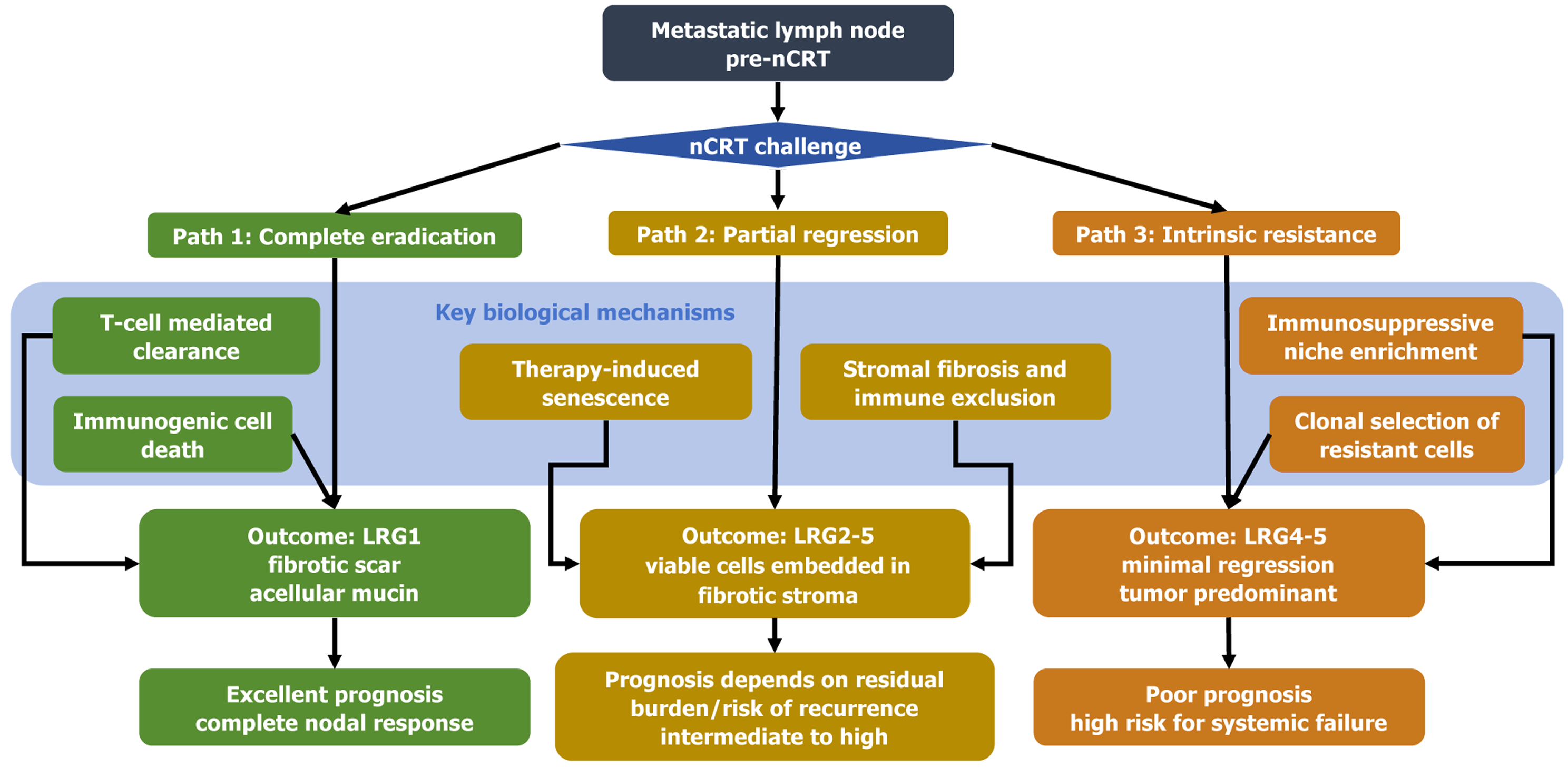
Figure 2 Spectrum of lymph node responses to neoadjuvant chemoradiotherapy and the biological significance of lymph node regr
- Citation: Wang RG. Tumor-node response heterogeneity: Exploring the “spatial biology” of neoadjuvant therapy response in rectal cancer and its clinical implications. World J Gastroenterol 2026; 32(41): 120028
- URL: https://www.wjgnet.com/1007-9327/full/v32/i41/120028.htm
- DOI: https://dx.doi.org/10.3748/wjg.120028