
















Copyright: ©Author(s) 2026.
World J Gastroenterol. Oct 7, 2026; 32(37): 120885
Published online Oct 7, 2026. doi: 10.3748/wjg.120885
Published online Oct 7, 2026. doi: 10.3748/wjg.120885
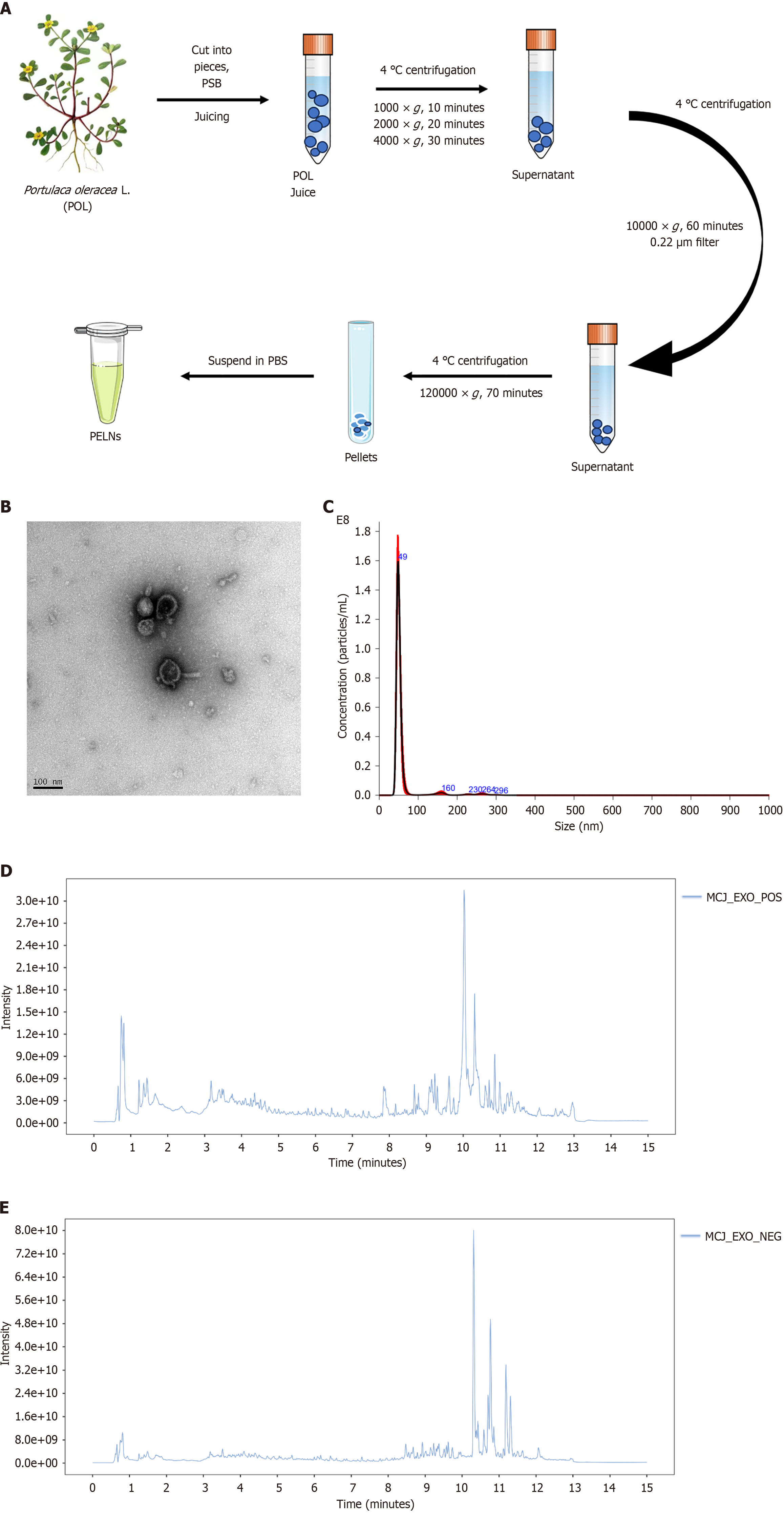
Figure 1 Preparation, identification, and characterization of Portulaca oleracea L.
-derived exosome-like nanoparticles. A: Schematic workflow for the isolation and purification of Portulaca oleracea L.-derived exosome-like nanoparticle (PELNs); B: Representative transmission electron microscopy image showing the morphology of PELNs (scale bar: 100 nm); C: Particle size distribution of PELNs as determined by nanoparticle tracking analysis; D: Total ion chromatogram (TIC) of PELNs obtained in positive ionization mode using ultra-high-performance liquid chromatography coupled with quadrupole-orbitrap high-resolution mass spectrometry (UHPLC-QE-MS); E: TIC of PELNs obtained in negative ionization mode using UHPLC-QE-MS.
- Citation: Liu XY, Liu ZX, Tan WW, Zhang WB, Qiao D, Chen SH, Zhang YL, Zheng L, Ge WS, Dai YC. Portulaca oleracea L.-derived exosome-like nanoparticles ameliorate colitis by modulating gut microbiota and metabolites to reduce endoplasmic reticulum stress. World J Gastroenterol 2026; 32(37): 120885
- URL: https://www.wjgnet.com/1007-9327/full/v32/i37/120885.htm
- DOI: https://dx.doi.org/10.3748/wjg.120885