
















Copyright: ©Author(s) 2026.
World J Gastroenterol. Oct 7, 2026; 32(37): 119558
Published online Oct 7, 2026. doi: 10.3748/wjg.119558
Published online Oct 7, 2026. doi: 10.3748/wjg.119558
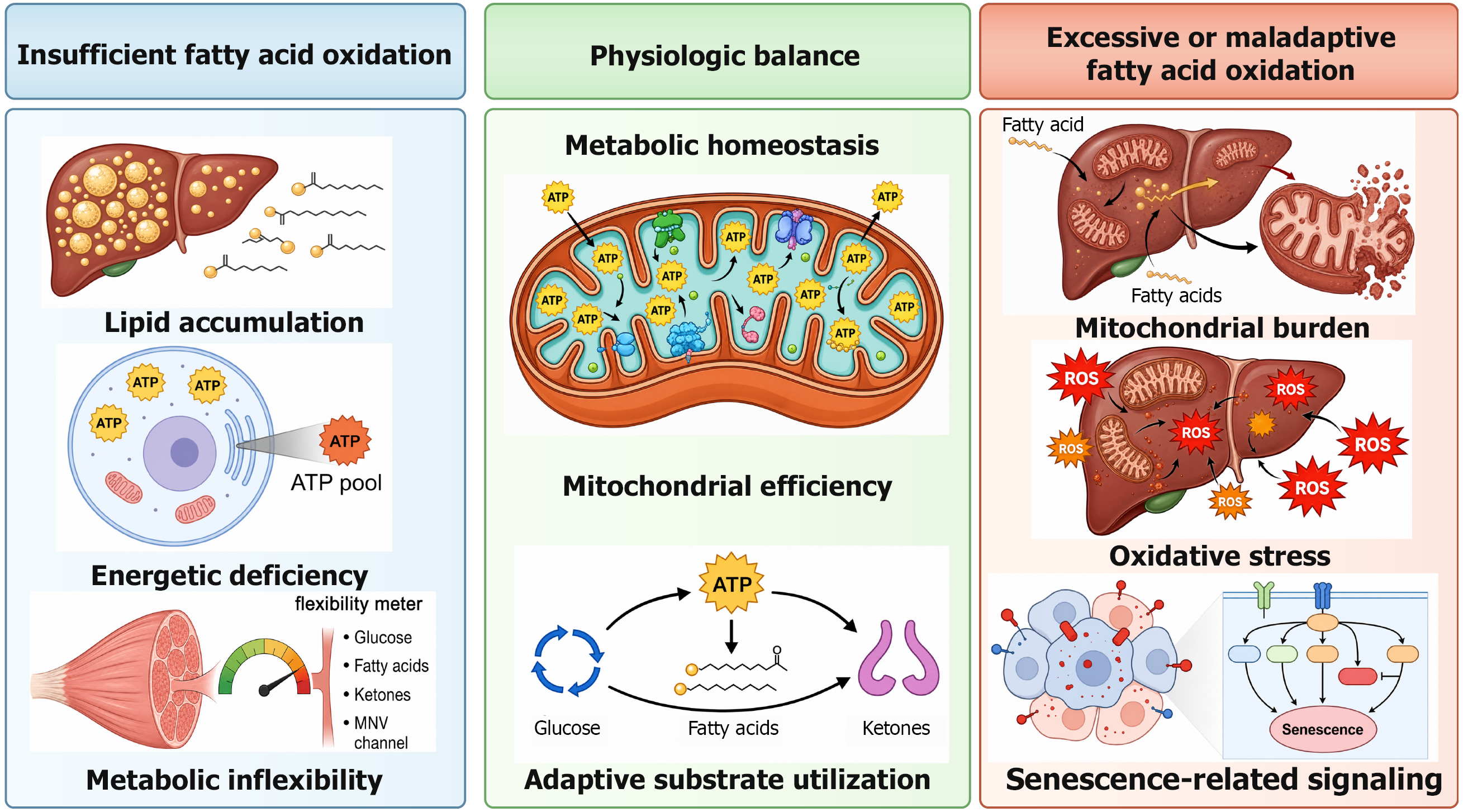
Figure 2 Context-dependent effects of fatty acid oxidation in aging.
Reduced fatty acid oxidation (FAO) favors lipid accumulation, metabolic inflexibility, and energetic failure, whereas excessive or dysregulated FAO may increase mitochondrial burden, oxidative stress, and senescence-related signaling. These opposing effects indicate that FAO must be tightly regulated to preserve metabolic homeostasis during aging. The author used artificial intelligence tools to assist in the generation of graphical content included in this manuscript. All artificial intelligence-generated images were reviewed, verified, and approved by the author, who takes full responsibility for the accuracy, originality, and integrity of the final content.
- Citation: Ko CY. Gut microbiota-fatty acid oxidation interplay in aging: Mechanisms, controversies, and translational perspectives. World J Gastroenterol 2026; 32(37): 119558
- URL: https://www.wjgnet.com/1007-9327/full/v32/i37/119558.htm
- DOI: https://dx.doi.org/10.3748/wjg.119558