
















Copyright: ©Author(s) 2026.
World J Gastroenterol. Sep 21, 2026; 32(35): 121133
Published online Sep 21, 2026. doi: 10.3748/wjg.121133
Published online Sep 21, 2026. doi: 10.3748/wjg.121133
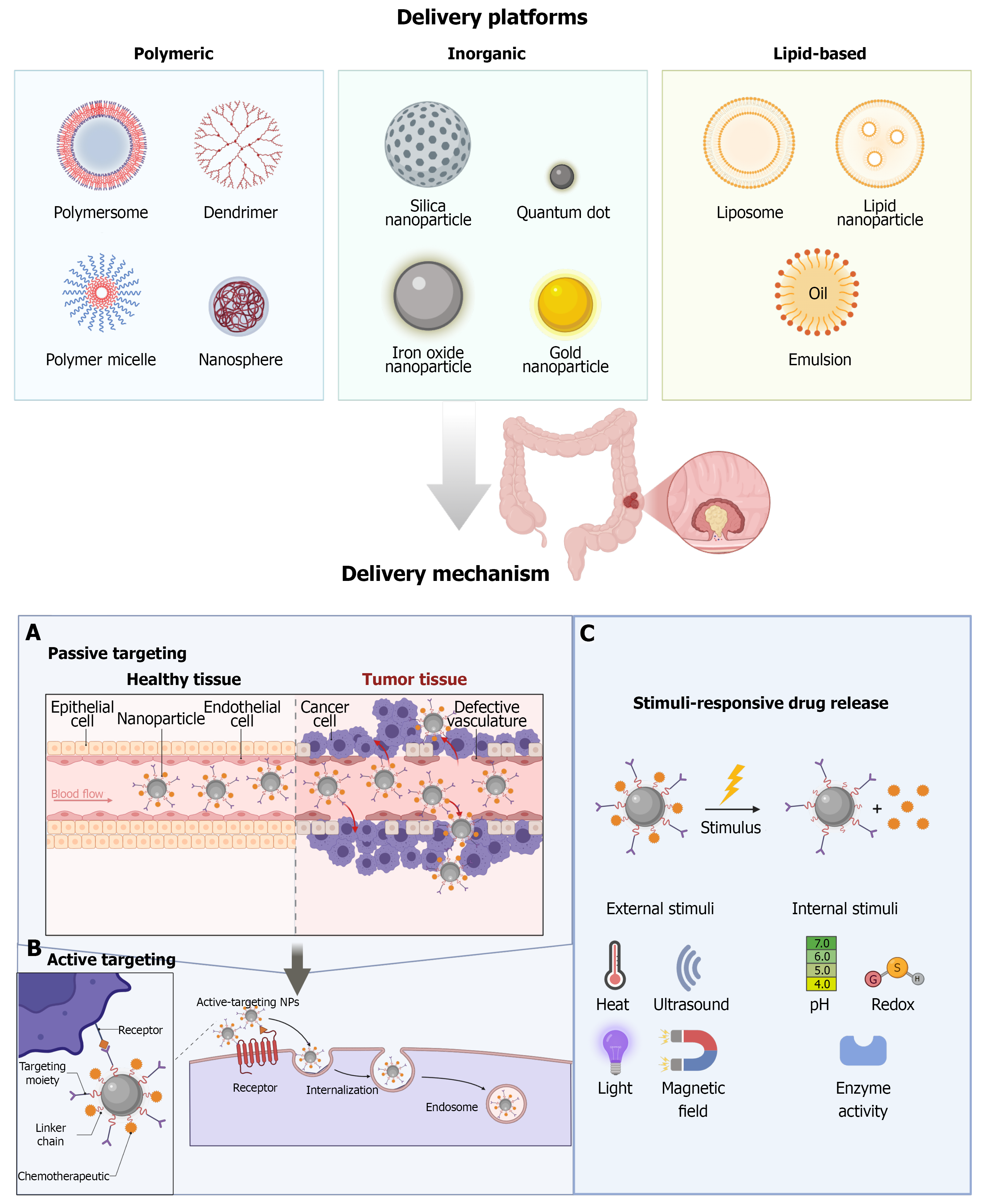
Figure 1 The most popular nano-drug delivery system designs.
The ability of nanoparticles (NPs) to specifically recognize their target sites can be improved through the use of targeting ligands, which can be chemically conjugated to the NPs surface. Stimulus-responsive NPs are designed to remain their structural integrity during circulation and to release their payload when exposed to specific external or internal stimuli. A: Passive targeting is NP accumulation inside or beyond the fenestrae of tumor blood vessels; B: Active targeting involves specific binding of target cells with drug delivery systems, mediated by receptor-ligand interactions; C: The triggering factors of stimuli-responsive drug release can originate internally, such as variations in local temperature, pH levels, redox conditions, and enzymatic activity, or externally, including induced heating, ultrasound, magnetic fields, and light exposure.
- Citation: Yang ZH, Huang QL, Luo L, Wu XX, Nie SW, Xu MM. Nanotechnology for drug delivery systems in colorectal cancer: Recent developments and future prospects. World J Gastroenterol 2026; 32(35): 121133
- URL: https://www.wjgnet.com/1007-9327/full/v32/i35/121133.htm
- DOI: https://dx.doi.org/10.3748/wjg.121133