
















Copyright: ©Author(s) 2026.
World J Gastroenterol. Sep 21, 2026; 32(35): 119939
Published online Sep 21, 2026. doi: 10.3748/wjg.119939
Published online Sep 21, 2026. doi: 10.3748/wjg.119939
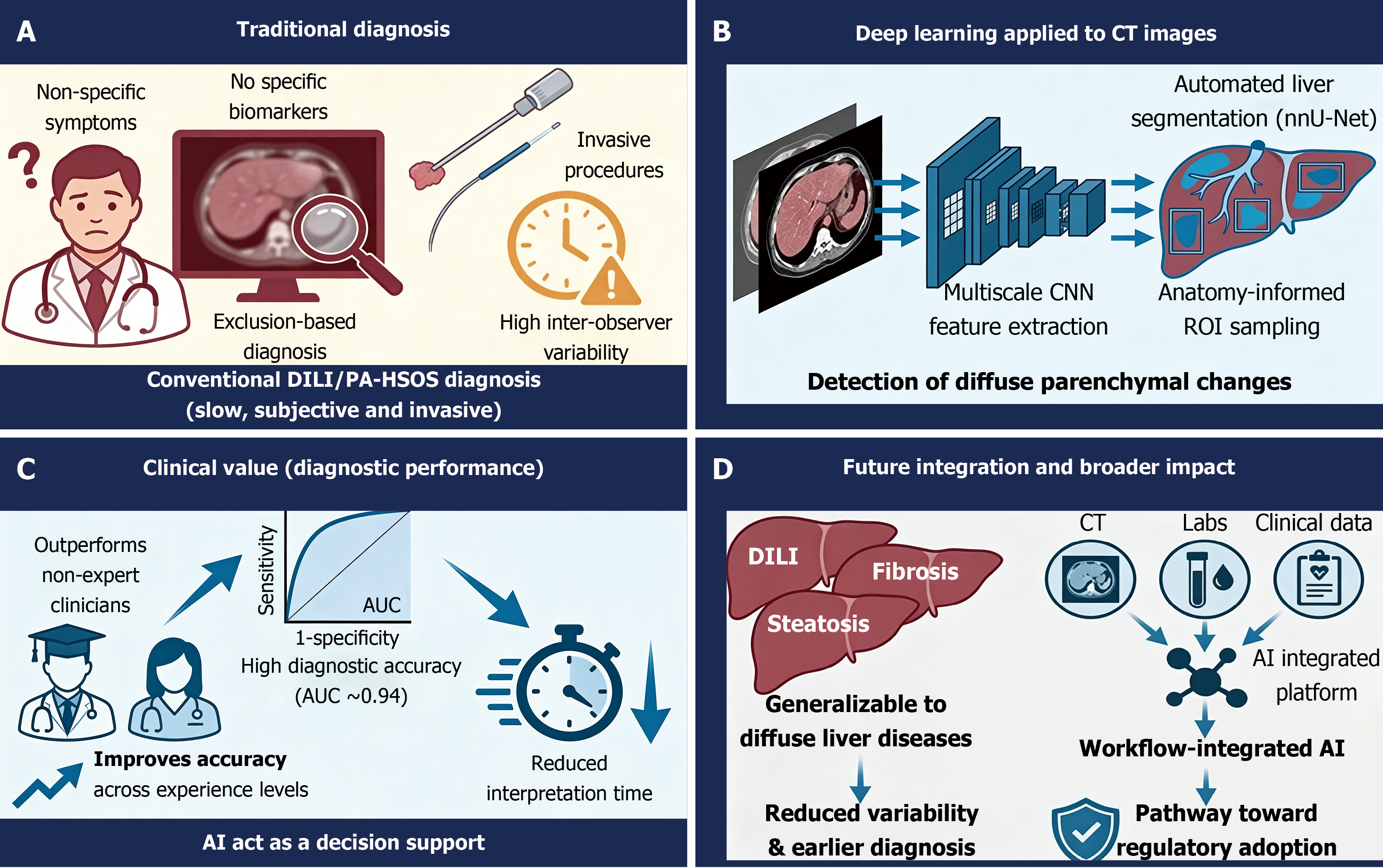
Figure 1 Deep learning-enhanced diagnostic paradigm for drug-induced liver injury.
A: Traditional diagnosis; B: Deep learning applied to computed tomography (CT); C: Clinical value (diagnostic performance); D: Future integration and broader impact. Traditional diagnosis of drug-induced liver injury (DILI), exemplified by pyrrolizidine alkaloid-induced hepatic sinusoidal obstruction syndrome (PA-HSOS). Deep learning-based analysis of CT enables automated liver segmentation, anatomically informed region-of-interest (ROI) sampling, and extraction of subtle diffuse parenchymal features. AI: Artificial intelligence; AUC: Area under the curve; CNN: Convolutional neural network.
- Citation: Fouad Y, Mostafa AM, Abdelhalim SM, Eslam M. Letter to the Editor: Artificial intelligence in hepatology - when deep learning meets drug-induced liver injury. World J Gastroenterol 2026; 32(35): 119939
- URL: https://www.wjgnet.com/1007-9327/full/v32/i35/119939.htm
- DOI: https://dx.doi.org/10.3748/wjg.119939