
















Copyright: ©Author(s) 2026.
World J Gastroenterol. Sep 7, 2026; 32(33): 117562
Published online Sep 7, 2026. doi: 10.3748/wjg.117562
Published online Sep 7, 2026. doi: 10.3748/wjg.117562
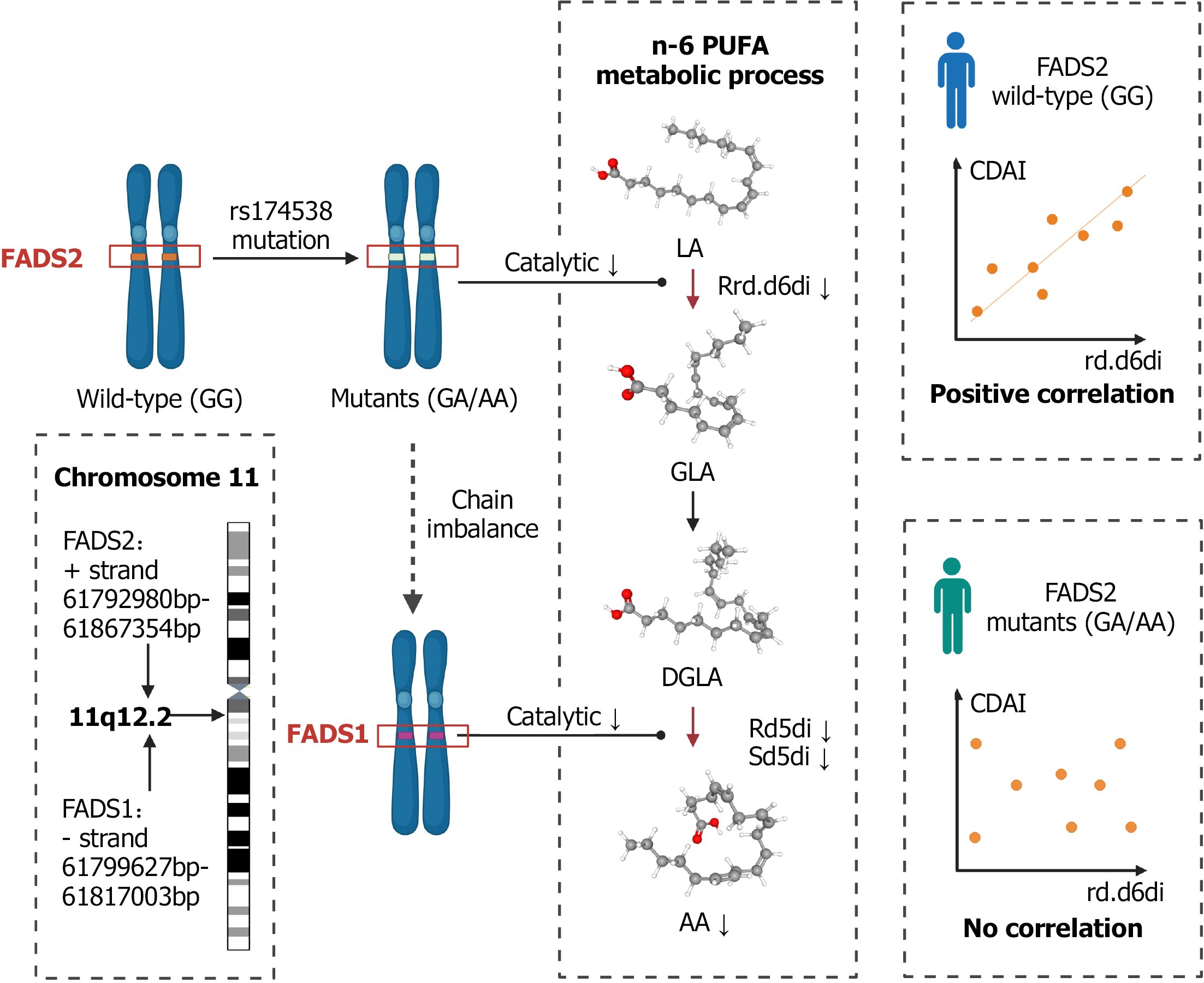
Figure 1 Schematic summary of the main findings reported by Matsuzawa et al.
This schematic illustrates how the FADS2 rs174538 variant may influence n-6 polyunsaturated fatty acid (PUFA) metabolism in Japanese patients with Crohn’s disease. In the n-6 PUFA metabolic pathway, linoleic acid (LA) is converted to gamma-linolenic acid (GLA) through the catalytic activity of FADS2, whereas dihomo-gamma-linolenic acid (DGLA) is converted to arachidonic acid (AA) through the catalytic activity of FADS1. The redefined delta-6 desaturase index (rd.d6di) is calculated as GLA/LA, and the delta-5 desaturase index (d5di) is calculated as AA/DGLA. Compared with the wild-type genotype, carriers of the rs174538 mutant allele (GA/AA) showed a reduction in rd.d6di in the erythrocyte membrane (Rrd.d6di), together with lower d5di in the erythrocyte membrane and serum (Rd5di and Sd5di) and reduced AA levels. These findings suggest that the metabolic effect of rs174538 may extend beyond FADS2 itself and may partly reflect linkage disequilibrium with variants in the adjacent FADS1 locus on chromosome 11q12.2. In addition, a positive correlation between rd.d6di and the Crohn’s Disease Activity Index was observed in patients with the wild-type genotype, whereas this association was not detected in mutant allele carriers. The chromosomal positions of FADS1 and FADS2 shown in the figure are included to illustrate their close physical proximity within the FADS gene cluster. PUFA: Polyunsaturated fatty acid; CDAI: Crohn’s Disease Activity Index; LA: Linoleic acid; GLA: Gamma-linolenic acid; DGLA: Dihomo-gamma-linolenic acid. This figure was created by BioRender.com (Supplementary material).
- Citation: Wang SR, Cao TL, Jiang HZ. From polymorphism to phenotype: FADS2 rs174538, fatty acid signatures and disease activity in Japanese Crohn’s disease. World J Gastroenterol 2026; 32(33): 117562
- URL: https://www.wjgnet.com/1007-9327/full/v32/i33/117562.htm
- DOI: https://dx.doi.org/10.3748/wjg.117562