
















©The Author(s) 2026.
World J Gastroenterol. Jan 21, 2026; 32(3): 113935
Published online Jan 21, 2026. doi: 10.3748/wjg.v32.i3.113935
Published online Jan 21, 2026. doi: 10.3748/wjg.v32.i3.113935
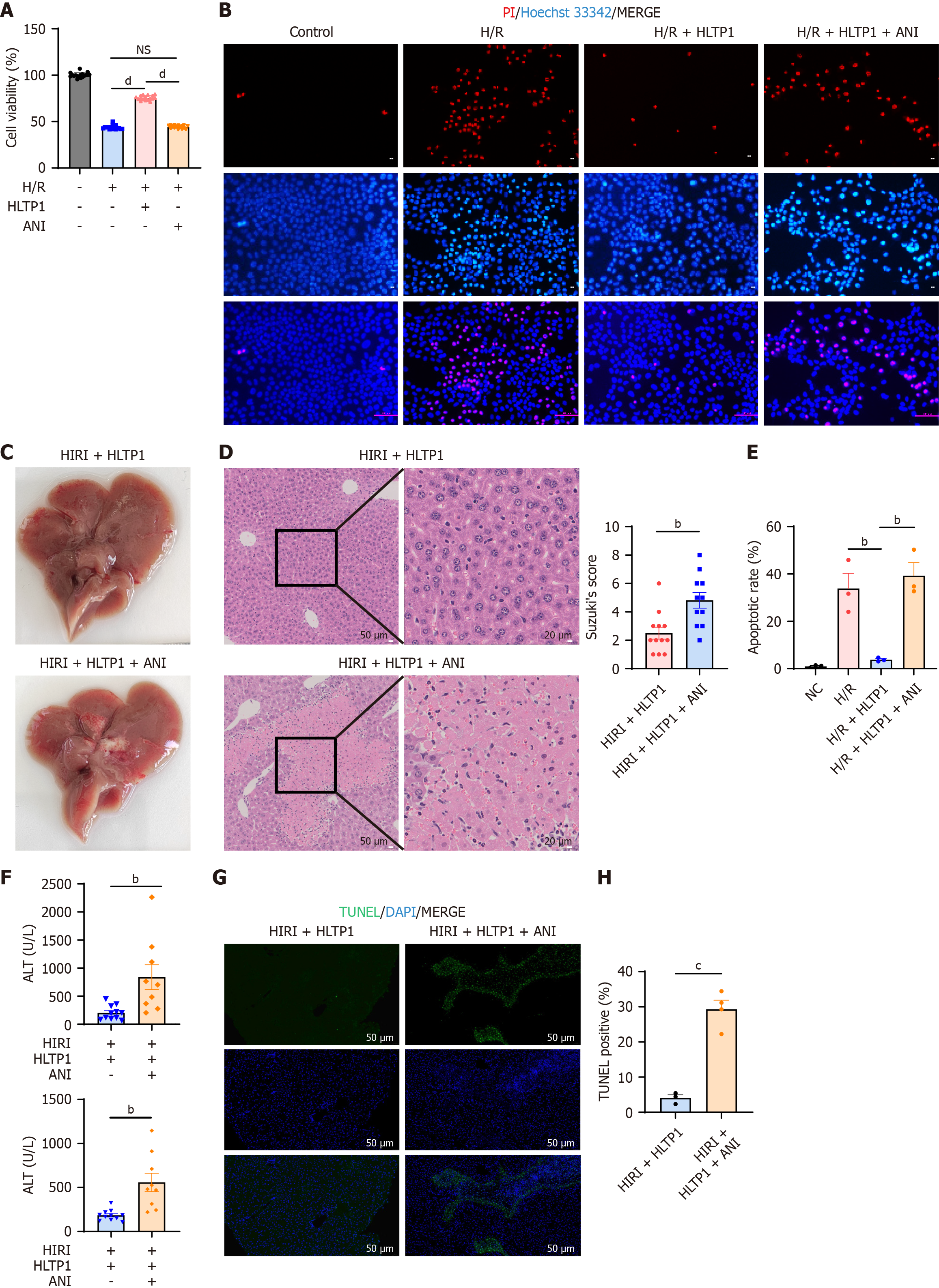
Figure 6 Human liver transplantation peptide 1 inhibits Jun N-terminal kinase phosphorylation to reduce apoptosis.
A: Cell viability of AML12 with the administration of anisomycin; B: Representative fluorescence microscopy images of AML12 cells co-stained with Hoechst 33342 (blue, all nuclei) and propidium iodide (red, late apoptotic/dead cells). Scale bar = 100 μm; C: Gross view of liver after ischemia-reperfusion injury in mice; D: Hematoxylin and eosin staining of liver sections. Scale bar = 20 μm; E: Quantitative analysis of the apoptotic rate, which determined by propidium iodide/Hoechst 33342 co-staining; F: Serum alanine aminotransferase and aspartate aminotransferase level; G: Representative images of terminal deoxynucleotidyl transferase dUTP nick end labeling staining (green) performed on liver sections. Nuclei are counterstained with DAPI (blue). Scale bar = 50 μm; H: Quantitative analysis of terminal deoxynucleotidyl transferase dUTP nick end labeling staining. H/R: Hypoxia/reoxygenation; HLTP1: Human liver transplantation peptide 1; ANI: Anisomycin; NS: Not significant; HIRI: Hepatic ischemia-reperfusion injury; NC: Negative control; ALT: Alanine aminotransferase; AST: Aspartate aminotransferase; TUNEL: Terminal deoxynucleotidyl transferase dUTP nick end labeling; PI: Propidium iodide. bP < 0.01, cP < 0.001, and dP < 0.0001.
- Citation: Xie HW, Bao Q, Chen ZX, Zhang XM, Liu XY, Wang R, Cai YS, Sun P. Targeting Jun N-terminal kinase phosphorylation: A human-derived hepatoprotective peptide human liver transplantation peptide 1 attenuates hepatic ischemia-reperfusion injury. World J Gastroenterol 2026; 32(3): 113935
- URL: https://www.wjgnet.com/1007-9327/full/v32/i3/113935.htm
- DOI: https://dx.doi.org/10.3748/wjg.v32.i3.113935