
















©The Author(s) 2026.
World J Gastroenterol. Jan 21, 2026; 32(3): 113935
Published online Jan 21, 2026. doi: 10.3748/wjg.v32.i3.113935
Published online Jan 21, 2026. doi: 10.3748/wjg.v32.i3.113935
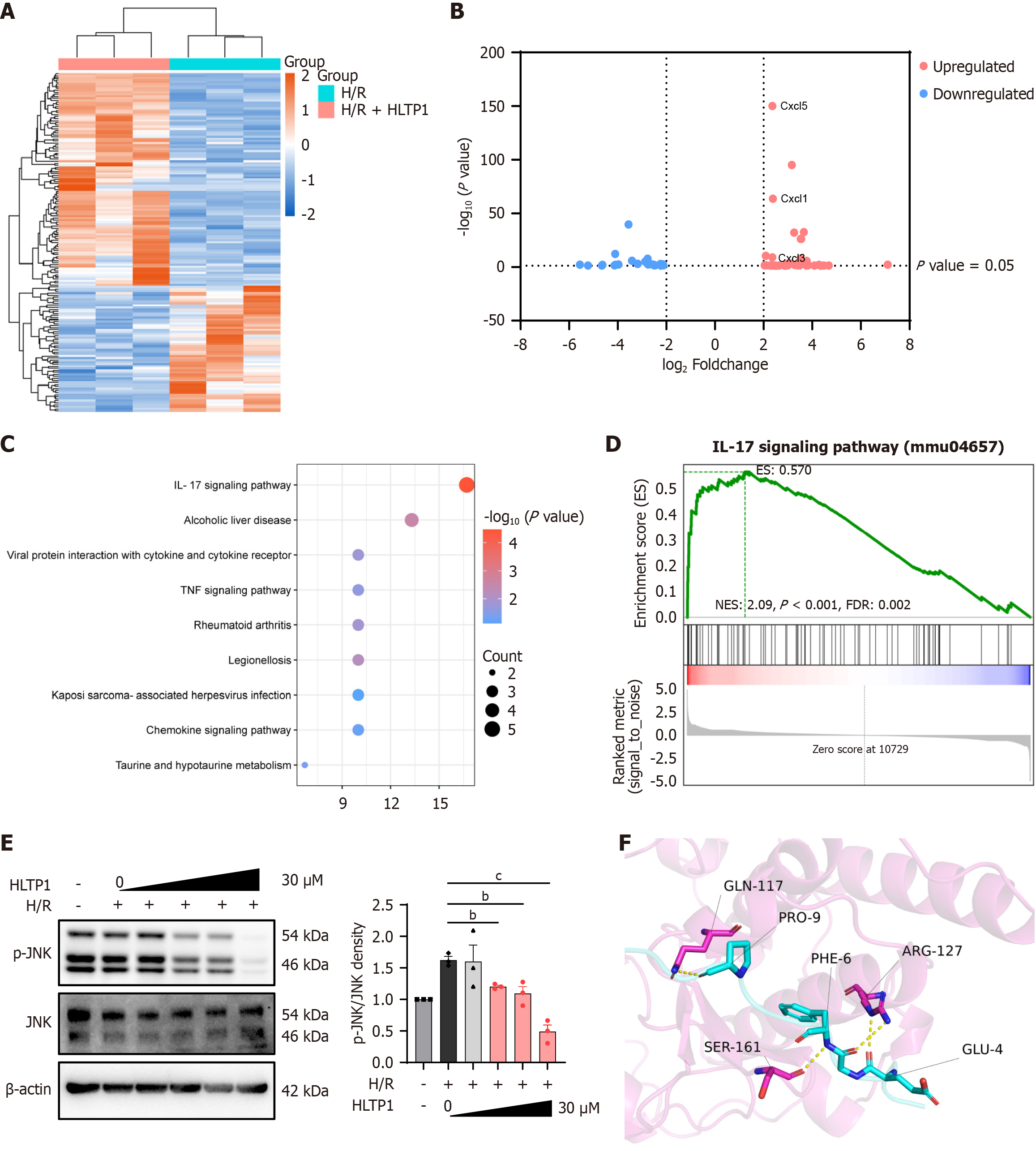
Figure 5 RNA-seq analysis indicate that human liver transplantation peptide 1 is involved in the mitogen-activated protein kinases pathway.
A: The heat map of significant differences genes; B: This volcano plot represents the distribution of significant differences genes; C: Kyoto Encyclopedia of Genes and Genomes analysis; D: Randomized controlled trial analysis of interleukin-17 signaling pathway; E: Protein levels of Jun N-terminal kinase and phosphorylated-Jun N-terminal kinase in hypoxia/reoxygenation treated AML12 cells with human liver transplantation peptide 1 (0 μM, 1 μM, 3 μM, 10 μM, 30 μM); F: 3D interaction diagram of human liver transplantation peptide 1 with Jun N-terminal kinase. H/R: Hypoxia/reoxygenation; HLTP1: Human liver transplantation peptide 1; IL-17: Interleukin-17; TNF: Tumor necrosis factor; JNK: Jun N-terminal kinase; p-JNK: Phosphorylated-Jun N-terminal kinase. bP < 0.01, and cP < 0.001.
- Citation: Xie HW, Bao Q, Chen ZX, Zhang XM, Liu XY, Wang R, Cai YS, Sun P. Targeting Jun N-terminal kinase phosphorylation: A human-derived hepatoprotective peptide human liver transplantation peptide 1 attenuates hepatic ischemia-reperfusion injury. World J Gastroenterol 2026; 32(3): 113935
- URL: https://www.wjgnet.com/1007-9327/full/v32/i3/113935.htm
- DOI: https://dx.doi.org/10.3748/wjg.v32.i3.113935