
















©The Author(s) 2026.
World J Gastroenterol. Jan 21, 2026; 32(3): 112437
Published online Jan 21, 2026. doi: 10.3748/wjg.v32.i3.112437
Published online Jan 21, 2026. doi: 10.3748/wjg.v32.i3.112437
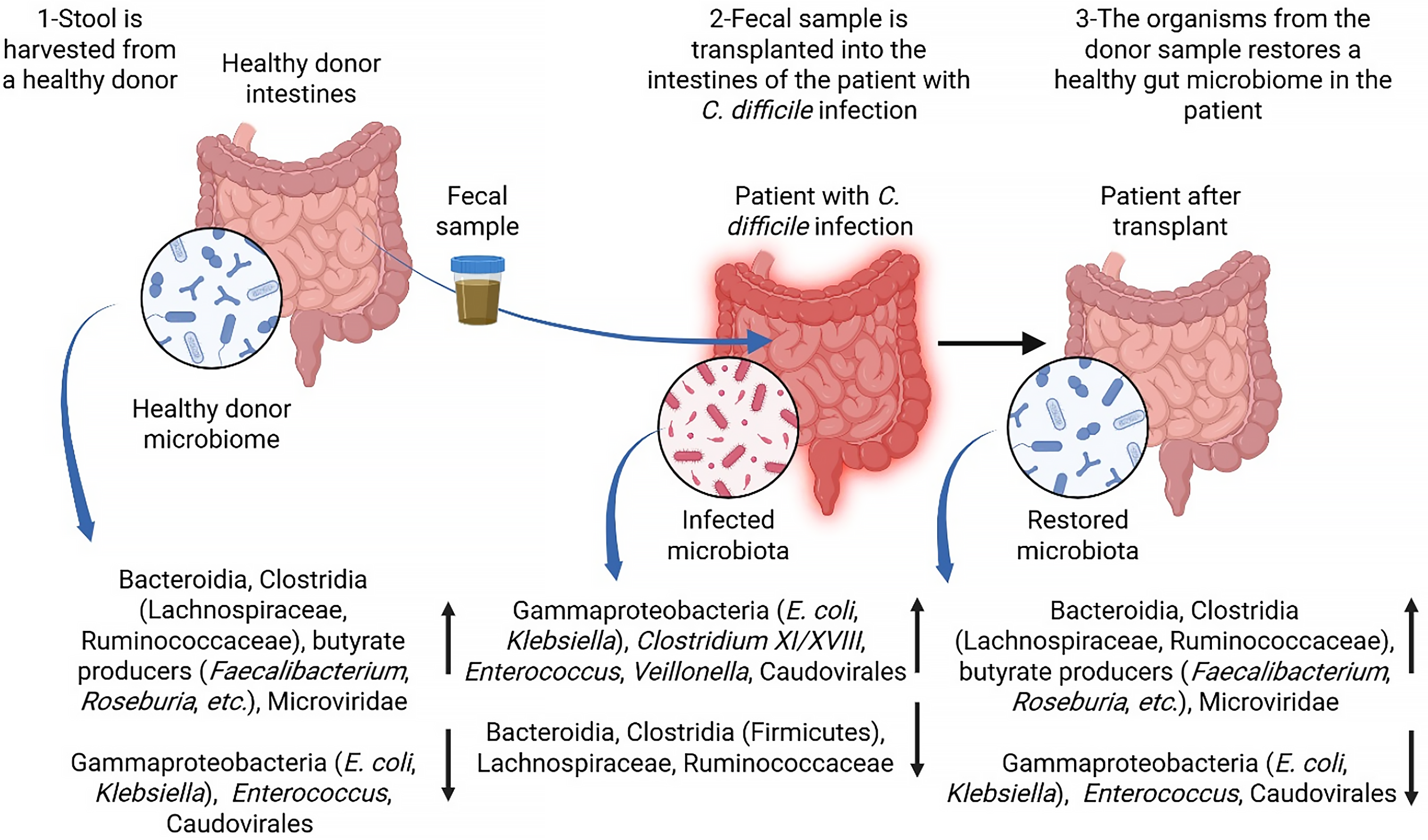
Figure 4 Fecal microbiota transplantation for Clostridioides difficile infection.
The process and effect of fecal microbiota transplantation in patients with Clostridioides difficile infection are presented. In step 1, stool containing a healthy microbial community is harvested from a healthy donor. The donor microbiota includes Bacteroidia, Clostridia (Lachnospiraceae, Ruminococcaceae), butyrate producers (Faecalibacterium, Roseburia), and Microviridae, along with low levels of potential pathogens such as Escherichia coli, Klebsiella, and Enterococcus. In step 2, the donor fecal sample is transplanted into the intestine of a patient with disrupted gut microbiota resulting from a Clostridioides difficile infection. The infected microbiome is characterized by elevated levels of Gammaproteobacteria (Escherichia coli, Klebsiella), Clostridium XI/XVIII, Enterococcus, Veillonella, and Caudovirales. In step 3, following transplantation, the patient’s gut microbiome is restored to a composition resembling that of a healthy donor, with the re-establishment of beneficial bacteria and a reduction in pathogenic species, thereby promoting recovery and preventing the recurrence of Clostridioides difficile infection. Created in BioRender (Supplementary material). E. coli: Escherichia coli; C. difficile: Clostridioides difficile.
- Citation: Velikova T, Ali H, Batselova H, Chervenkov L, Miteva D, Peruhova M, Gulinac M, Tomov L, Mitova-Mineva Y, Velev V. Interplay between viral infections and gut microbiota dysbiosis: Mechanisms and therapeutic potential. World J Gastroenterol 2026; 32(3): 112437
- URL: https://www.wjgnet.com/1007-9327/full/v32/i3/112437.htm
- DOI: https://dx.doi.org/10.3748/wjg.v32.i3.112437