
















©The Author(s) 2026.
World J Gastroenterol. Jan 21, 2026; 32(3): 112437
Published online Jan 21, 2026. doi: 10.3748/wjg.v32.i3.112437
Published online Jan 21, 2026. doi: 10.3748/wjg.v32.i3.112437
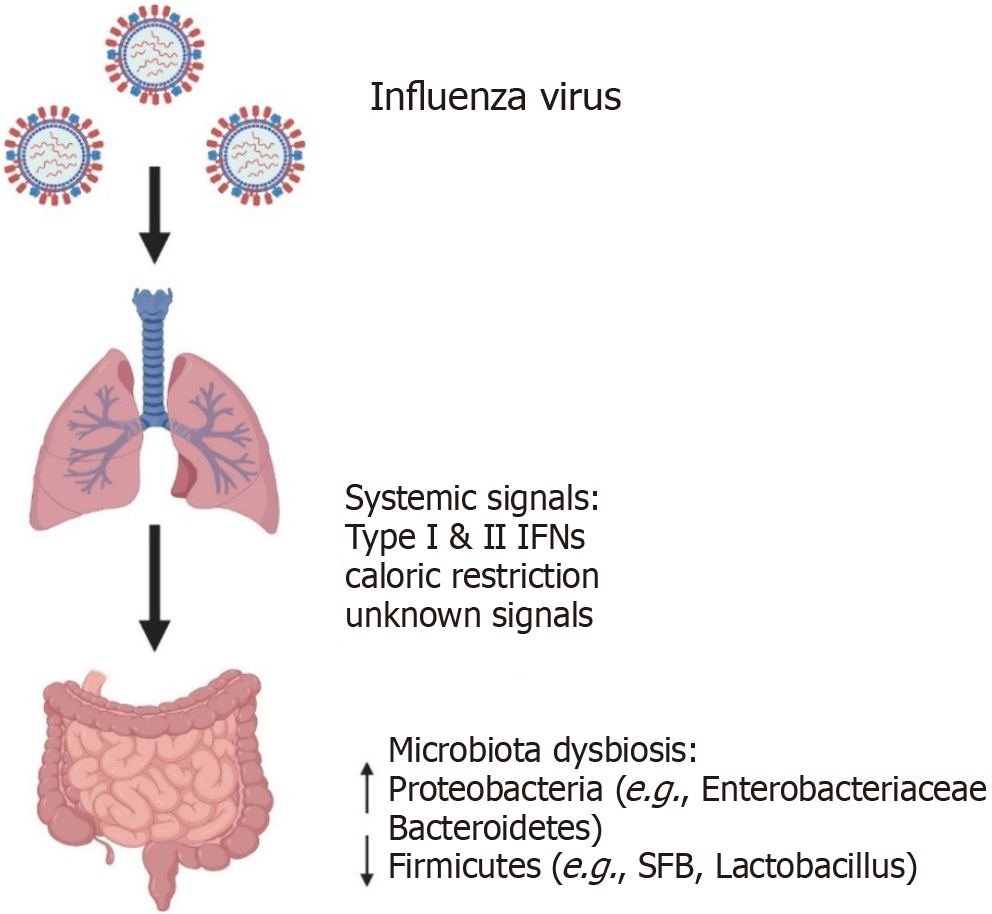
Figure 2 Influenza-induced gut microbiome dysbiosis in mice.
Acute influenza infection in the respiratory tract alters gut bacterial composition without direct gastrointestinal viral replication, suggesting regulation via systemic immune or physiological signals (e.g., type I/II interferons, caloric restriction). Observed microbial changes include increased Proteobacteria (e.g., Enterobacteriaceae) and Bacteroidetes, and reduced Firmicutes (e.g., segmented filamentous bacteria, Lactobacillus). Studies have primarily focused on specific pathogen-free-housed laboratory mice. Therefore, the relevance to humans or wild mammals with diverse microbiomes remains uncertain. Created in BioRender (Supplementary material). IFNs: Interferons; SFB: Segmented filamentous bacteria.
- Citation: Velikova T, Ali H, Batselova H, Chervenkov L, Miteva D, Peruhova M, Gulinac M, Tomov L, Mitova-Mineva Y, Velev V. Interplay between viral infections and gut microbiota dysbiosis: Mechanisms and therapeutic potential. World J Gastroenterol 2026; 32(3): 112437
- URL: https://www.wjgnet.com/1007-9327/full/v32/i3/112437.htm
- DOI: https://dx.doi.org/10.3748/wjg.v32.i3.112437