
















Copyright: ©Author(s) 2026.
World J Gastroenterol. Aug 7, 2026; 32(29): 119106
Published online Aug 7, 2026. doi: 10.3748/wjg.119106
Published online Aug 7, 2026. doi: 10.3748/wjg.119106
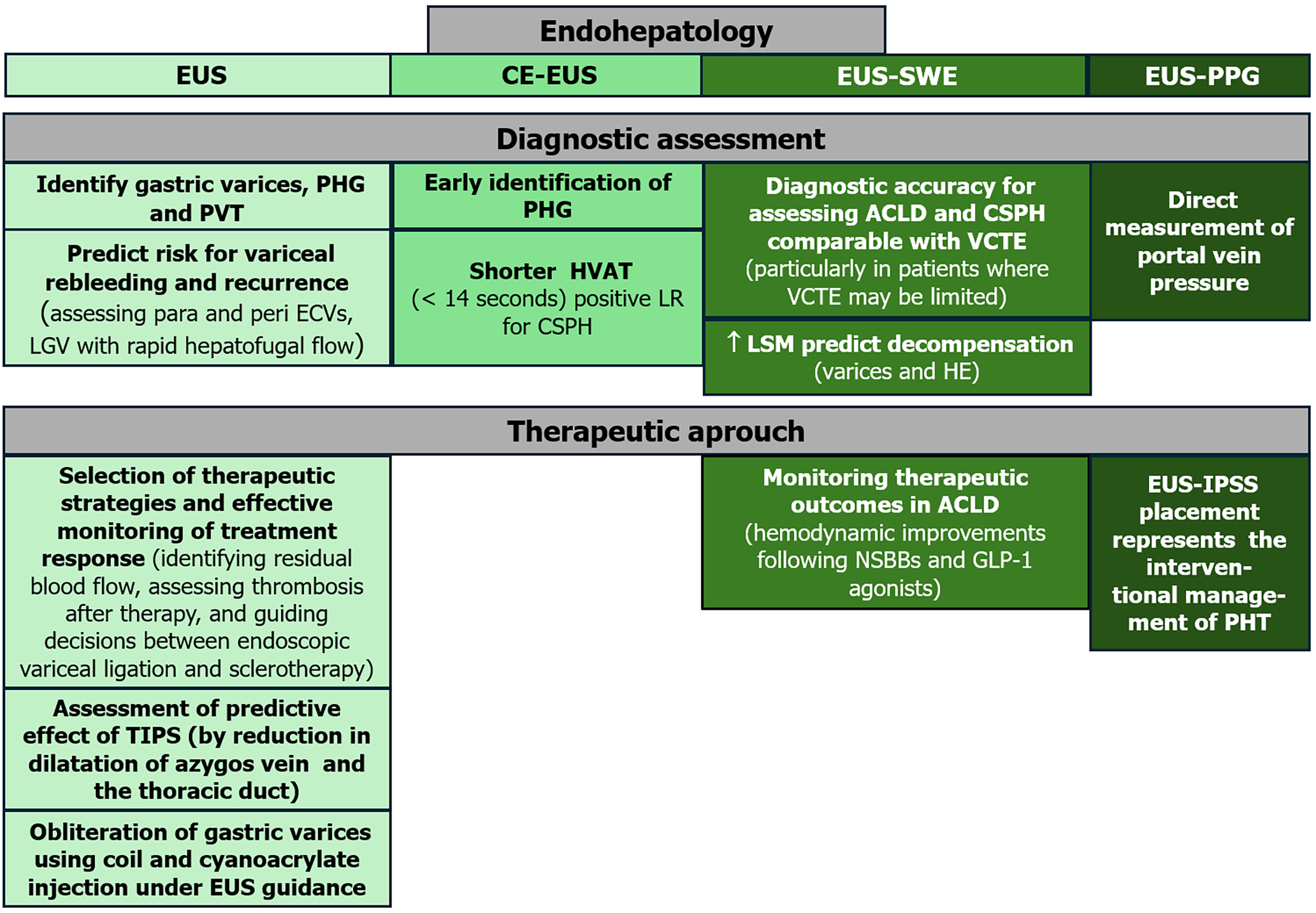
Figure 5 Endohepatology assessment of portal hypertension.
Endoscopic ultrasound (EUS) is equivalent to conventional upper endoscopy for detecting esophageal varices but is superior for identifying gastric varices and portal hypertensive gastropathy. Evaluating para-esophageal collateral veins (ECVs), peri-ECVs, and left gastric vein predicts the risk of variceal rebleeding and recurrence. EUS has potential utility in monitoring the effectiveness of transjugular intrahepatic portosystemic shunt. When combined with contrast-enhanced ultrasound, it is a valuable tool for assessing portal hypertension. EUS-shear wave elastography is comparable with transient elastography for evaluating compensated advanced chronic liver disease and clinically significant portal hypertension. EUS-portal pressure gradient directly measures portal vein pressure. EUS: Enhanced endoscopic ultrasound; ACLD: Advanced chronic liver disease; CE-EUS: Contrast-enhanced endoscopic ultrasound; CSPH: Clinically significant portal hypertension; GLP-1: Glucagon-like peptide-1; HE: Hepatic encephalopathy; HVAT: Hepatic venous arrival time; LGV: Left gastric vein; LR: Likelihood ratio; LSM: Liver stiffness measurement; NSBBs: Nonselective beta blockers; PHG: Portal hypertensive gastropathy; PHT: Portal hypertension; PPG: Portal pressure gradient; PVT: Portal vein thrombosis; SWE: Shear wave elastography; TIPS: Transjugular intrahepaticportosystemic shunt; VCTE: Vibration-controlled transient elastography; ECVs: Esophageal collateral veins; IPSS: Intrahepatic portosystemic shunt.
- Citation: Peltec A, Sporea I. Preventive strategies in hepatology: Role of multiparametric assessment of portal hypertension in chronic liver disease. World J Gastroenterol 2026; 32(29): 119106
- URL: https://www.wjgnet.com/1007-9327/full/v32/i29/119106.htm
- DOI: https://dx.doi.org/10.3748/wjg.119106