
















Copyright: ©Author(s) 2026.
World J Gastroenterol. Jul 21, 2026; 32(27): 118794
Published online Jul 21, 2026. doi: 10.3748/wjg.118794
Published online Jul 21, 2026. doi: 10.3748/wjg.118794
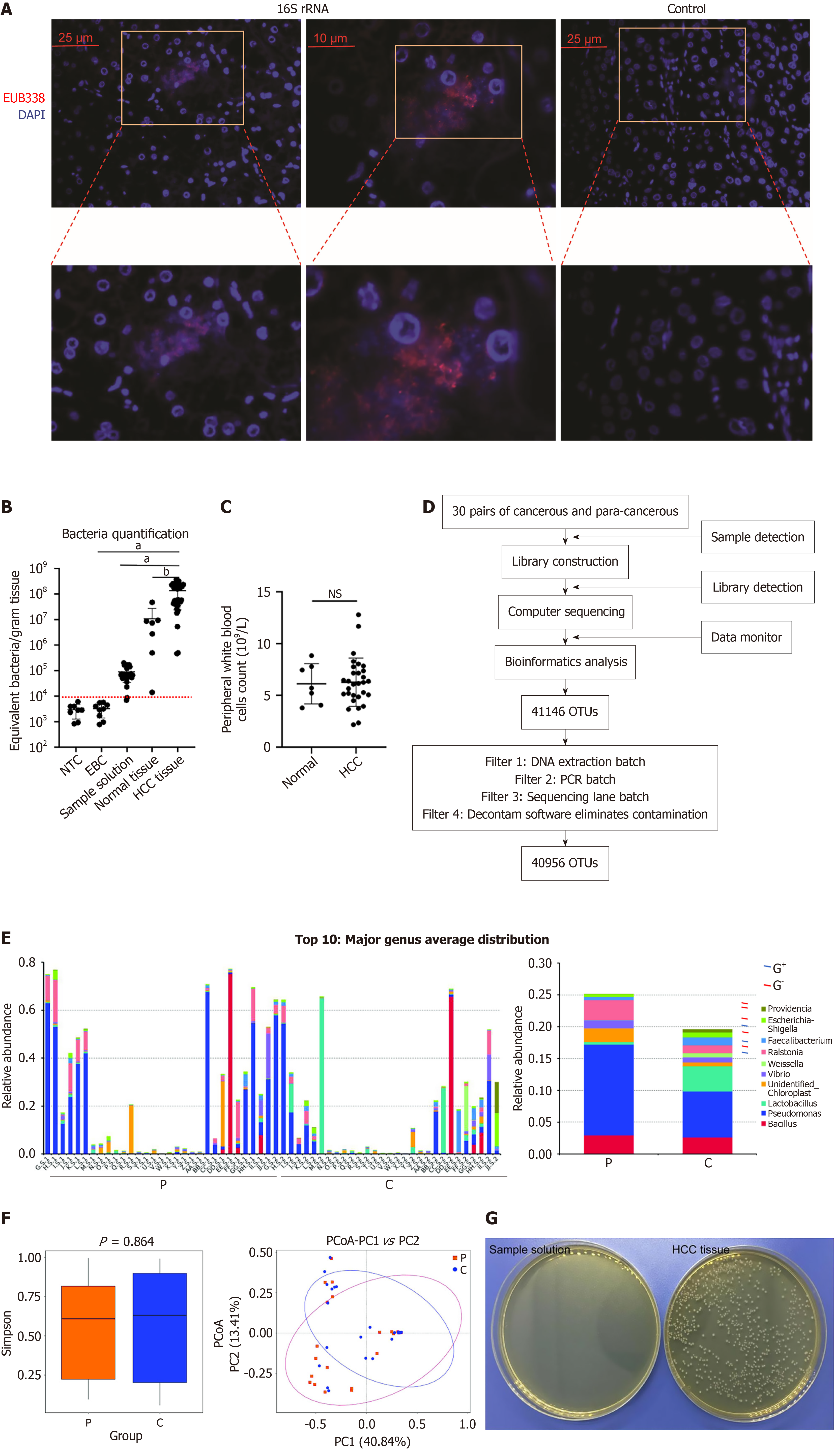
Figure 2 Bacteria and their products are components of human hepatocellular carcinoma.
A: Through fluorescence in situ hybridization detection, bacterial 16S rRNA was found adjacent to the cell nucleus (25 μm), and its localization was more clearly observed under oil immersion microscopy (10 μm); B: The presence of bacterial DNA in human hepatocellular carcinoma (HCC) was assessed by reverse transcription-quantitative PCR; C: Comparison of peripheral blood leukocyte count between HCC patients and healthy controls (no-template control, n = 8; environmental blank control, n = 9; sample solution, n = 30; normal, n = 7; HCC, n = 30); D: Schematic representation of the analysis pipeline applied to 16S rDNA sequencing data; E: Major genus average distribution in cancer and para-cancer groups; F: Alpha diversity assessed using the Simpson index and β diversity evaluated by principal coordinate analysis comparing cancerous and paracancerous tissue groups (n = 30); G: Sample homogenates and HCC tissues were cultured on LB agar without antibiotics. aP < 0.0001; bP < 0.01; NS: Not significant. NTC: No-template control; EBC: Environmental blank control; HCC: Hepatocellular carcinoma; PCoA: Principal coordinate analysis; OTU: Operational taxonomic unit; G+: Gram-positive; G-: Gram-negative.
- Citation: Zhang Y, Zhou YL, Nie X, Zhang LJ, Xu WW, Wang JQ, Zhao HL, Xu JK, Xu J, Xu HM, Li JH, Huang WQ, Yang J, Yang YX, Zhan Q, Lin Y, Nie YQ. Gram-negative bacteria and endotoxins promote hepatocellular carcinoma progression through the recruitment of myeloid-derived suppressor cells. World J Gastroenterol 2026; 32(27): 118794
- URL: https://www.wjgnet.com/1007-9327/full/v32/i27/118794.htm
- DOI: https://dx.doi.org/10.3748/wjg.118794