
















Copyright: ©Author(s) 2026.
World J Gastroenterol. Jul 7, 2026; 32(25): 118140
Published online Jul 7, 2026. doi: 10.3748/wjg.118140
Published online Jul 7, 2026. doi: 10.3748/wjg.118140
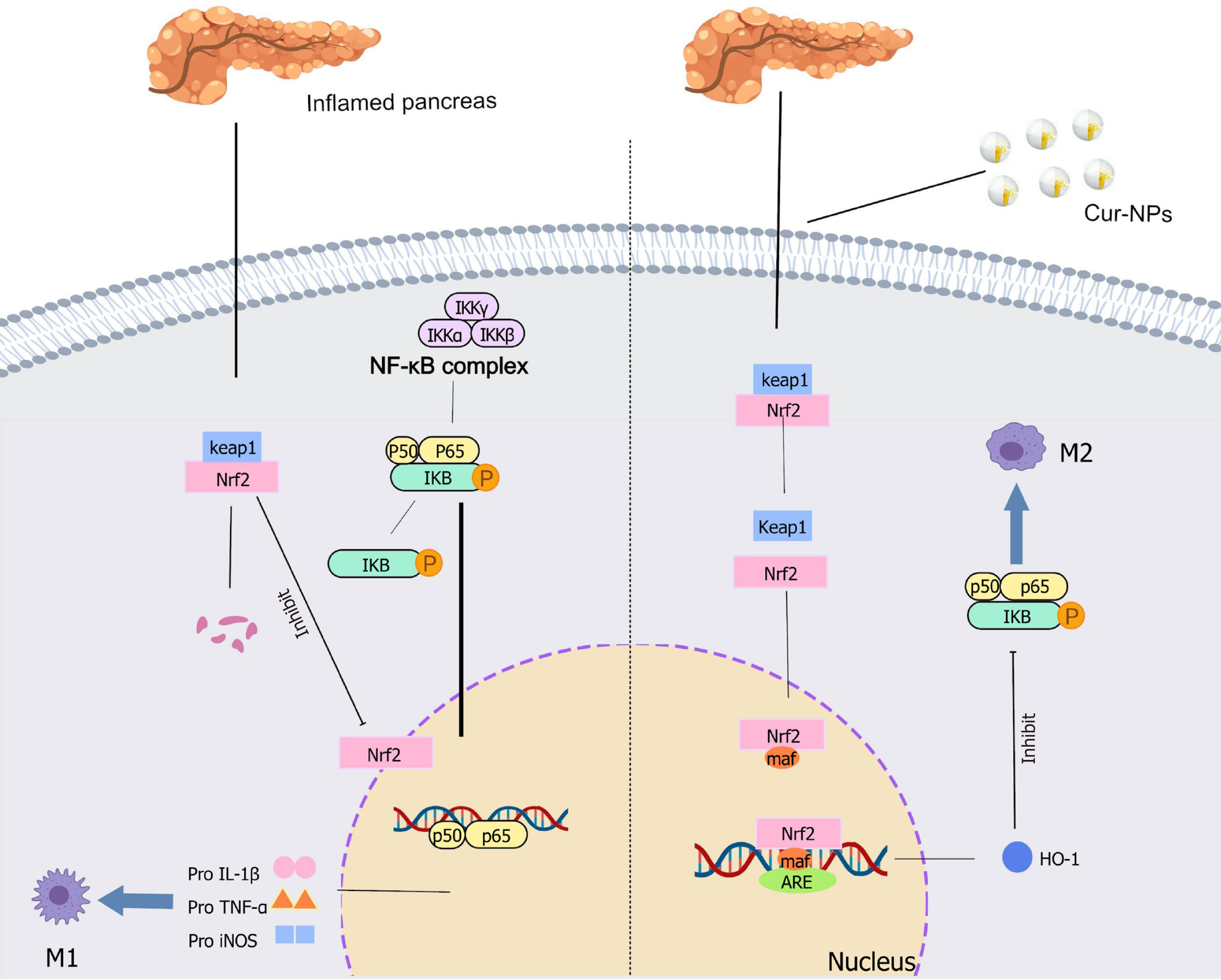
Figure 7 During the pathogenesis of severe acute pancreatitis, inflammatory signaling activates the IKK complex (composed of IKKα, IKKβ, and IKKγ).
This complex phosphorylates IκB proteins, leading to the release of the nuclear factor kappa-B (NF-κB) p50-p65 heterodimer, which rapidly translocates into the nucleus. It binds to specific sequences within the promoter regions of target genes, initiating the transcription of a wide array of pro-inflammatory factors and promoting macrophage polarization toward the M1 phenotype. Concurrently, in the cytoplasm, Keap1 undergoes conformational changes in response to inflammatory signals, facilitating the ubiquitination and subsequent degradation of nuclear factor erythroid 2-related factor 2 (Nrf2). As a result, the nuclear translocation of Nrf2 is suppressed. Following intervention with curcumin nanoparticles, nuclear translocation of Nrf2 is markedly enhanced. Within the nucleus, abundant Nrf2 forms heterodimers with small Maf proteins. These dimers recognize and bind to the antioxidant response element in the promoter regions of target genes, thereby promoting the expression of heme oxygenase-1 (HO-1). HO-1 subsequently inhibits the phosphorylation of IκB, which in turn prevents the nuclear translocation and transcriptional activity of the NF-κB p50-p65 dimer. This cascade ultimately suppresses the expression of pro-inflammatory cytokines and promotes macrophage polarization toward the M2 phenotype. Cur-NPs: Curcumin nanoparticles; SAP: Severe acute pancreatitis; iNOS: Inducible nitric oxide synthase; HO-1: Heme oxygenase-1; Nrf2: Nuclear factor erythroid 2-related factor 2; ARE: Antioxidant response element; NF-κB: Nuclear factor kappa-B; TNF-α: Tumor necrosis factor-α; IL: Interleukin.
- Citation: Yang L, Liao DX, Wang XY, Fan YH, Luo ZL, Wen Y. Curcumin nanoparticles mitigate early inflammation in severe acute pancreatitis by modulating peritoneal macrophage polarization via Nrf2/HO-1 pathway activation. World J Gastroenterol 2026; 32(25): 118140
- URL: https://www.wjgnet.com/1007-9327/full/v32/i25/118140.htm
- DOI: https://dx.doi.org/10.3748/wjg.118140