
















Copyright: ©Author(s) 2026.
World J Gastroenterol. Jun 14, 2026; 32(22): 118745
Published online Jun 14, 2026. doi: 10.3748/wjg.v32.i22.118745
Published online Jun 14, 2026. doi: 10.3748/wjg.v32.i22.118745
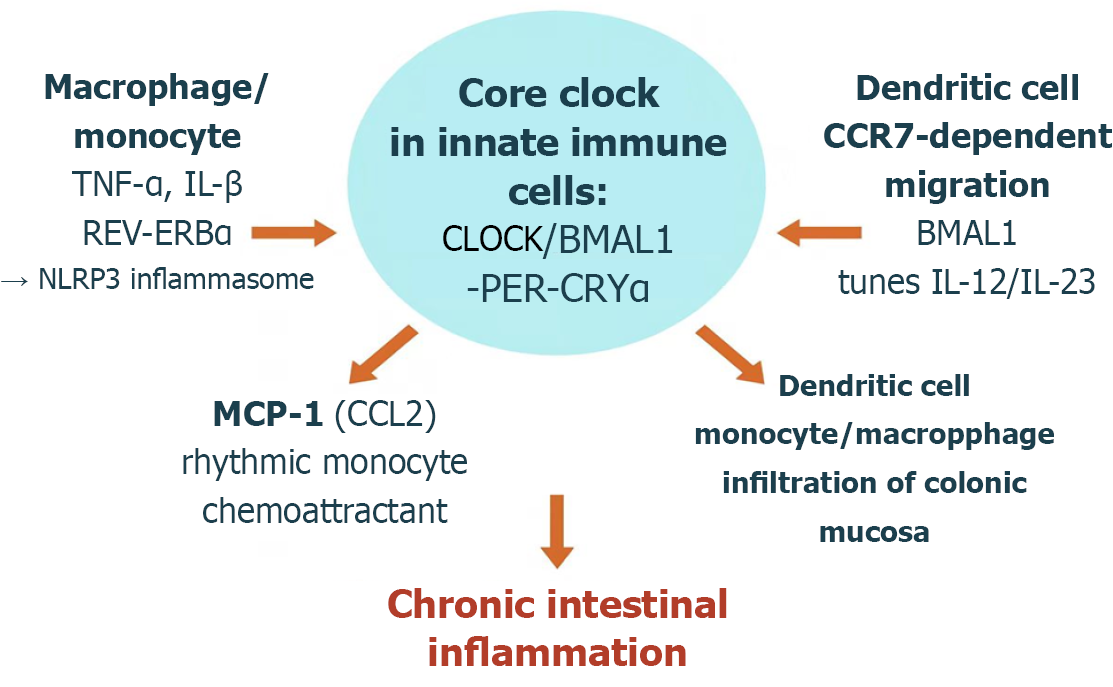
Figure 1 Schematic representation of core circadian clock gene networks and their feedback loops in the central and peripheral clocks.
This schematic summarizes mechanisms supported by multiple evidence levels (animal models and in vitro/ex vivo studies, with comparatively limited direct human evidence). Human findings, where available, are primarily associative and should not be interpreted as causal. CLOCK: Circadian locomotor output cycles kaput; BMAL1: Brain and muscle ARNT-like 1; PER: Period; CRYα: Cryptochrome α; TNF-α: Tumour necrosis factor-α; IL: Interleukin; REV-ERBα: Reverse erythroblastosis virus α; NLRP3: NOD-like receptor family pyrin domain-containing 3; MCP-1: Monocyte chemoattractant protein-1; CCL2: C-C motif chemokine ligand 2; CCR7: C-C chemokine receptor type 7.
- Citation: Yu KX, Lu ZJ. Circadian clock at the interface of mucosal immunity, gut microbiota and epithelial barrier in inflammatory bowel disease. World J Gastroenterol 2026; 32(22): 118745
- URL: https://www.wjgnet.com/1007-9327/full/v32/i22/118745.htm
- DOI: https://dx.doi.org/10.3748/wjg.v32.i22.118745