
















Copyright: ©Author(s) 2026.
World J Gastroenterol. Jun 14, 2026; 32(22): 117194
Published online Jun 14, 2026. doi: 10.3748/wjg.v32.i22.117194
Published online Jun 14, 2026. doi: 10.3748/wjg.v32.i22.117194
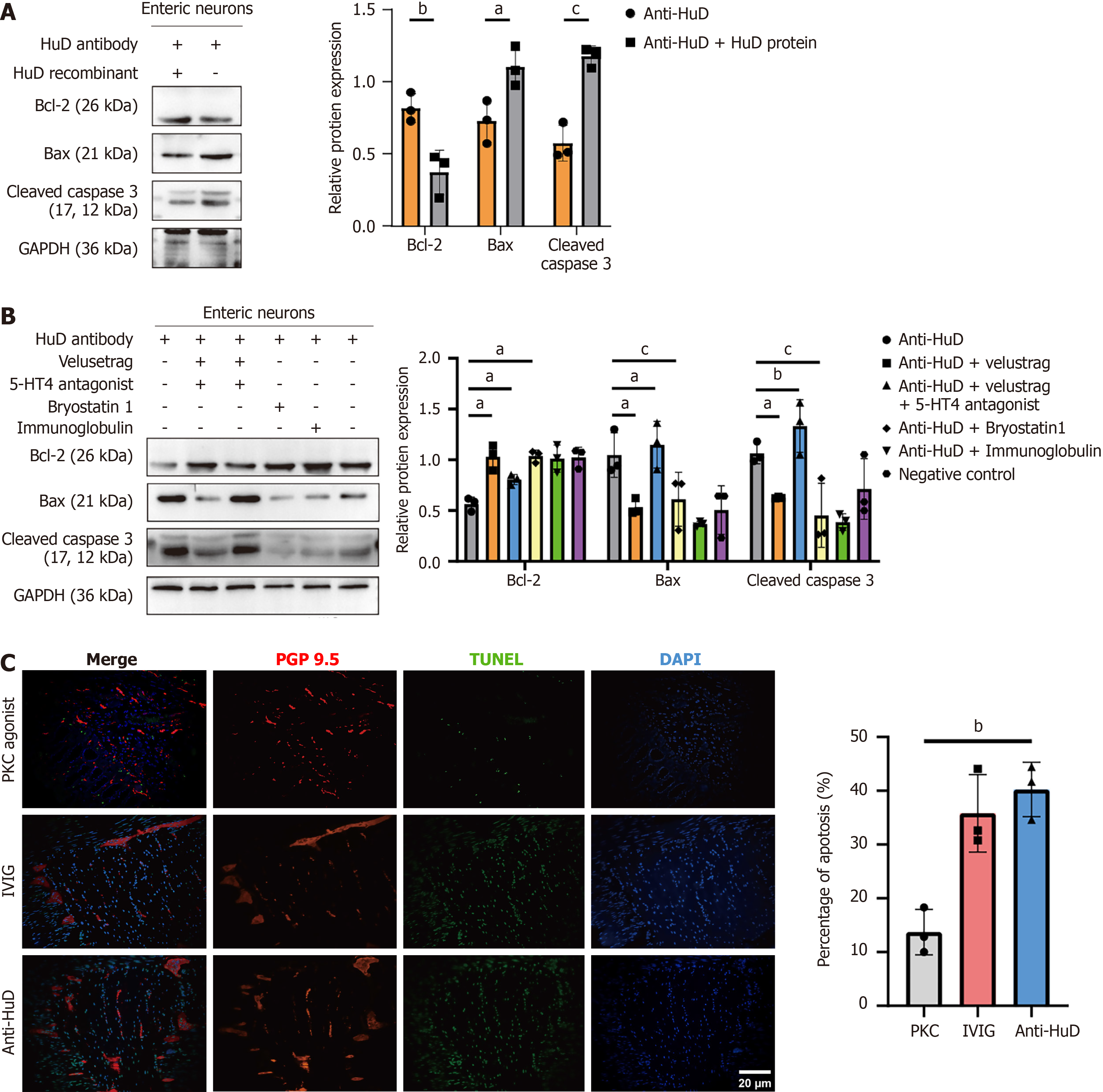
Figure 5 Effect of intervention in primary enteric neurons and the irritable bowel syndrome rate model.
A: Effect of neutralizing antibodies by recombinant HuD protein on enteric neurons; B: Effect of protein kinase C agonist, Bryostatin1, 5-hydroxytryptamine agonist and antagonist, and immunoglobulin on enteric neurons; C: PGP 9.5/terminal-deoxynucleotidyl transferase mediated nick end labeling/4’,6-diamidino-2-phenylindole staining of neurons in ileal paraffin sections from the protein kinase C agonist group, the intravenous immunoglobulin group, and the anti-HuD autoantibody group; n = 3 for each group. Scale bar: 20 μm. Data are expressed as mean ± SD. One-way and two-way analysis of variance with Tukey’s multiple comparison test were performed. aP < 0.05, bP < 0.01, and cP < 0.001. GAPDH: Glyceraldehyde-3-phosphate dehydrogenase; IVIG: Immunoglobulin; PKC: Protein kinase C; TUNEL: Terminal-deoxynucleotidyl transferase mediated nick end labeling; DAPI: 4’,6-diamidino-2-phenylindole.
- Citation: Zhang Y, Zhu C, Xia SH, Zhang MY, Liu YR, Guan JL, Huang YJ, Zhao K, Liao JZ, Fan WJ. Mechanism of anti-human antigen D (HuD/ELAVL4) autoantibody-induced enteric neuronal apoptosis in irritable bowel syndrome and its potential for targeted intervention. World J Gastroenterol 2026; 32(22): 117194
- URL: https://www.wjgnet.com/1007-9327/full/v32/i22/117194.htm
- DOI: https://dx.doi.org/10.3748/wjg.v32.i22.117194