
















Copyright: ©Author(s) 2026.
World J Gastroenterol. Jun 7, 2026; 32(21): 116337
Published online Jun 7, 2026. doi: 10.3748/wjg.v32.i21.116337
Published online Jun 7, 2026. doi: 10.3748/wjg.v32.i21.116337
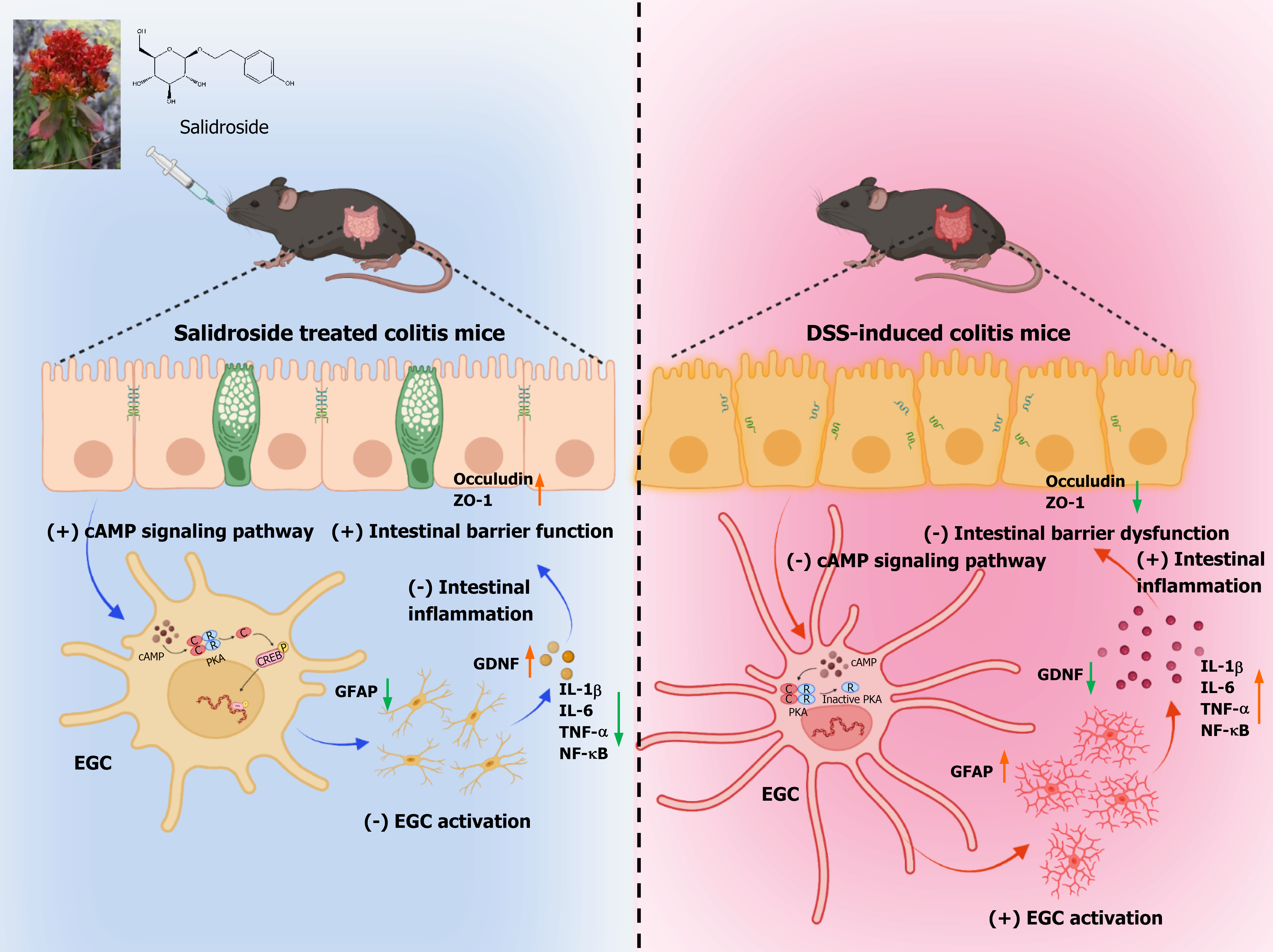
Figure 9 Schematic representation of the therapeutic mechanism of salidroside in dextran sulfate sodium salt-induced colitis in mice.
Salidroside treatment mitigates colitis and restores intestinal mucosal barrier integrity, primarily by activating the cyclic adenosine monophosphate/protein kinase A/cyclic adenosine monophosphate-response element binding protein signaling pathway. This activation inhibits enteric glial cells activation, limits proinflammatory cytokine release, and enhances glial cell line-derived neurotrophic factor secretion. Ultimately, these effects attenuate intestinal inflammation, preserve barrier function, and reduce colonic injury. ZO-1: Zonula occludens-1; cAMP: Cyclic adenosine monophosphate; GFAP: Glial fibrillary acidic protein; GDNF: Glial cell line-derived neurotrophic factor; EGC: Enteric glial cell; IL: Interleukin; TNF: Tumor necrosis factor; NF-κB: Nuclear factor kappa-B; DSS: Dextran sulfate sodium salt; PKA: Protein kinase A.
- Citation: Li Y, Tao SS, Wang Y, Sun Q, Li MY, Zhang H, Li YQ. Salidroside mitigates experimental colitis through cyclic adenosine monophosphate pathway activation and suppression of enteric glial cell responses. World J Gastroenterol 2026; 32(21): 116337
- URL: https://www.wjgnet.com/1007-9327/full/v32/i21/116337.htm
- DOI: https://dx.doi.org/10.3748/wjg.v32.i21.116337