
















Copyright: ©Author(s) 2026.
World J Gastroenterol. May 28, 2026; 32(20): 117603
Published online May 28, 2026. doi: 10.3748/wjg.v32.i20.117603
Published online May 28, 2026. doi: 10.3748/wjg.v32.i20.117603
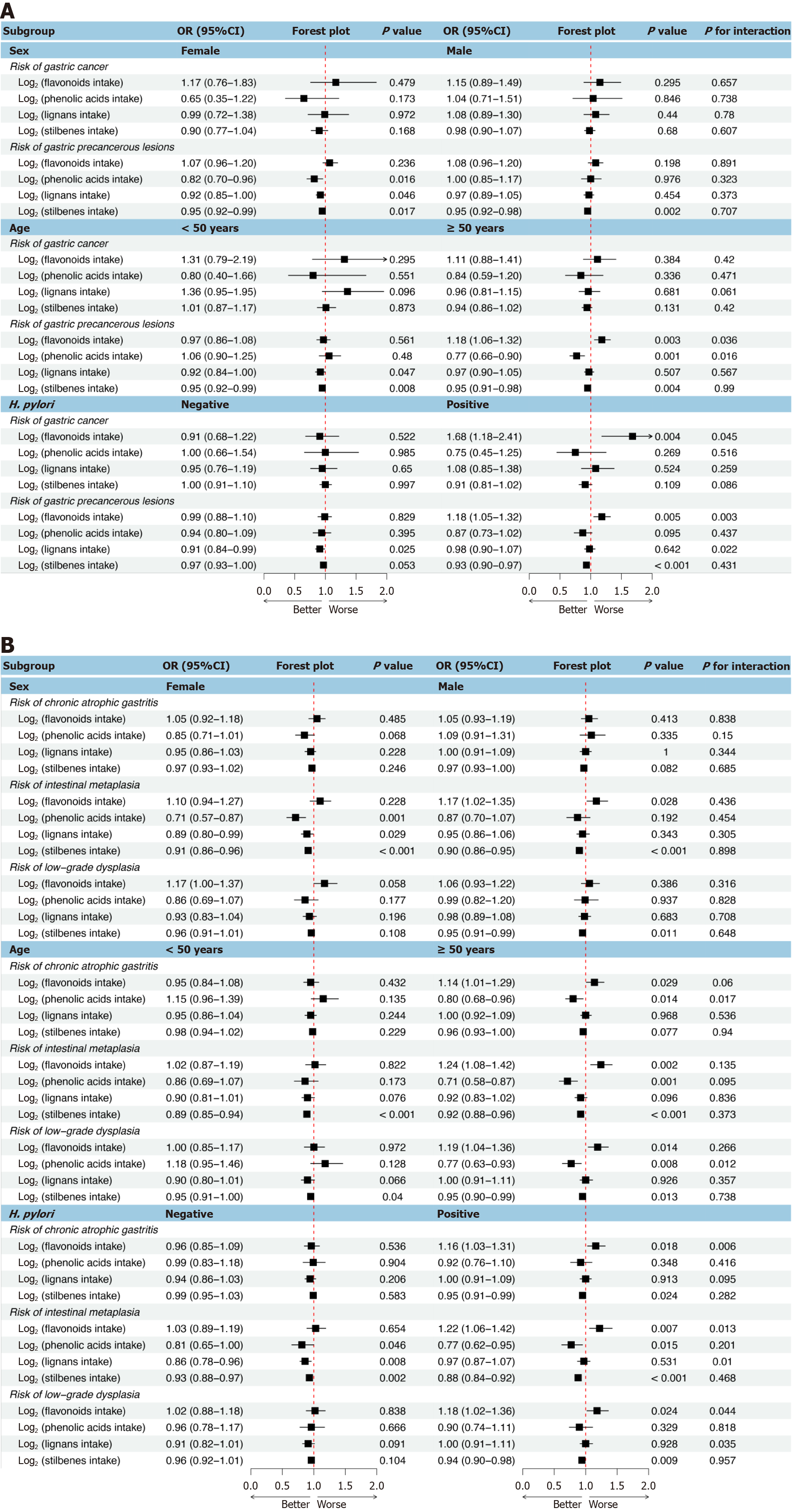
Figure 4 Subgroup analysis of dietary polyphenols and the risks.
A: Of gastric cancer and gastric precancerous lesions; B: Of subtypes of gastric precancerous lesions. Odds ratios and 95% confidence intervals were calculated using the logistic regression models adjusting for sex, age, education level, occupation, annual household income, smoking status, alcohol consumption, body mass index, Helicobacter pylori status, and digestive cancer family history, and mutual adjustment by flavonoids, phenolic acids, lignans, and stilbenes. P values for interaction were calculated using a likelihood ratio test. OR: Odds ratio; CI: Confidence interval.
- Citation: Li MT, Zheng Y, Zhao JY, Wu ZQ, Lu LZ, Sun J, Li Q, Shu XC, Naji WQ, Yang J, Chen FF, Ma XM, Zhang HY, Yang FC, Du LL, Xie YD, Du PW, Kong WR, Yuan H, Ji R, Guo QH, Chen ZF, Wang YP, Zhou YN. Associations between dietary polyphenols and risks of gastric precancerous lesions and cancer. World J Gastroenterol 2026; 32(20): 117603
- URL: https://www.wjgnet.com/1007-9327/full/v32/i20/117603.htm
- DOI: https://dx.doi.org/10.3748/wjg.v32.i20.117603