
















©The Author(s) 2026.
World J Gastroenterol. Jan 14, 2026; 32(2): 112395
Published online Jan 14, 2026. doi: 10.3748/wjg.v32.i2.112395
Published online Jan 14, 2026. doi: 10.3748/wjg.v32.i2.112395
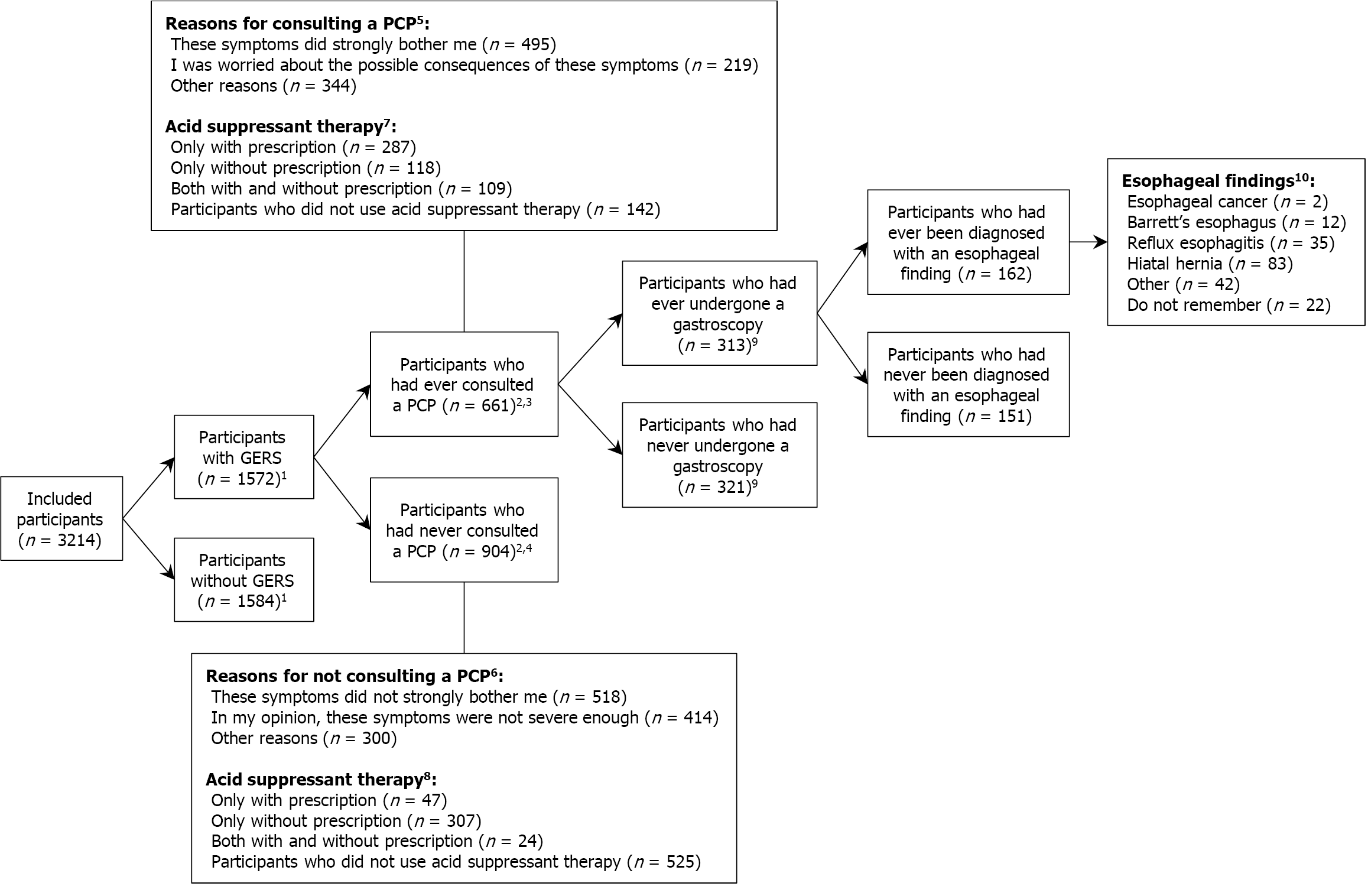
Figure 1 Gastroesophageal reflux symptoms and help-seeking behavior.
1Fifty-eight of 3214 participants (1.8%) had missing data on gastroesophageal reflux symptoms (GERS); 2Seven of 1572 participants with GERS (0.4%) had missing data on consulting a primary care provider (PCP) for these symptoms; 3Two of 661 participants with GERS who had ever consulted a PCP for these symptoms (0.3%) had missing data on reasons for consulting a PCP; 4Two of 904 participants with GERS who had never consulted a PCP for these symptoms (0.2%) had missing data on reasons for not consulting a PCP; 5n > 659, because multi responses were possible; 6n > 902, because multi responses were possible; 7Five of 661 participants with GERS who had ever consulted a PCP for these symptoms (0.8%) had missing data on acid suppressant therapy; 8One of 904 participants with GERS who had never consulted a PCP for these symptoms (0.1%) had missing data on acid suppressant therapy; 9Twenty-seven of 661 participants with GERS who had ever consulted a PCP for these symptoms (4.1%) had missing data on undergoing a gastroscopy; 10n > 162, because multi responses were possible. GERS: Gastroesophageal reflux symptoms; PCP: Primary care provider.
- Citation: Huibertse LJ, Sijben J, Peters Y, Siersema PD. Self-management and help-seeking behavior for gastroesophageal reflux symptoms: A population-based survey. World J Gastroenterol 2026; 32(2): 112395
- URL: https://www.wjgnet.com/1007-9327/full/v32/i2/112395.htm
- DOI: https://dx.doi.org/10.3748/wjg.v32.i2.112395