
















Copyright: ©Author(s) 2026.
World J Gastroenterol. May 21, 2026; 32(19): 115332
Published online May 21, 2026. doi: 10.3748/wjg.v32.i19.115332
Published online May 21, 2026. doi: 10.3748/wjg.v32.i19.115332
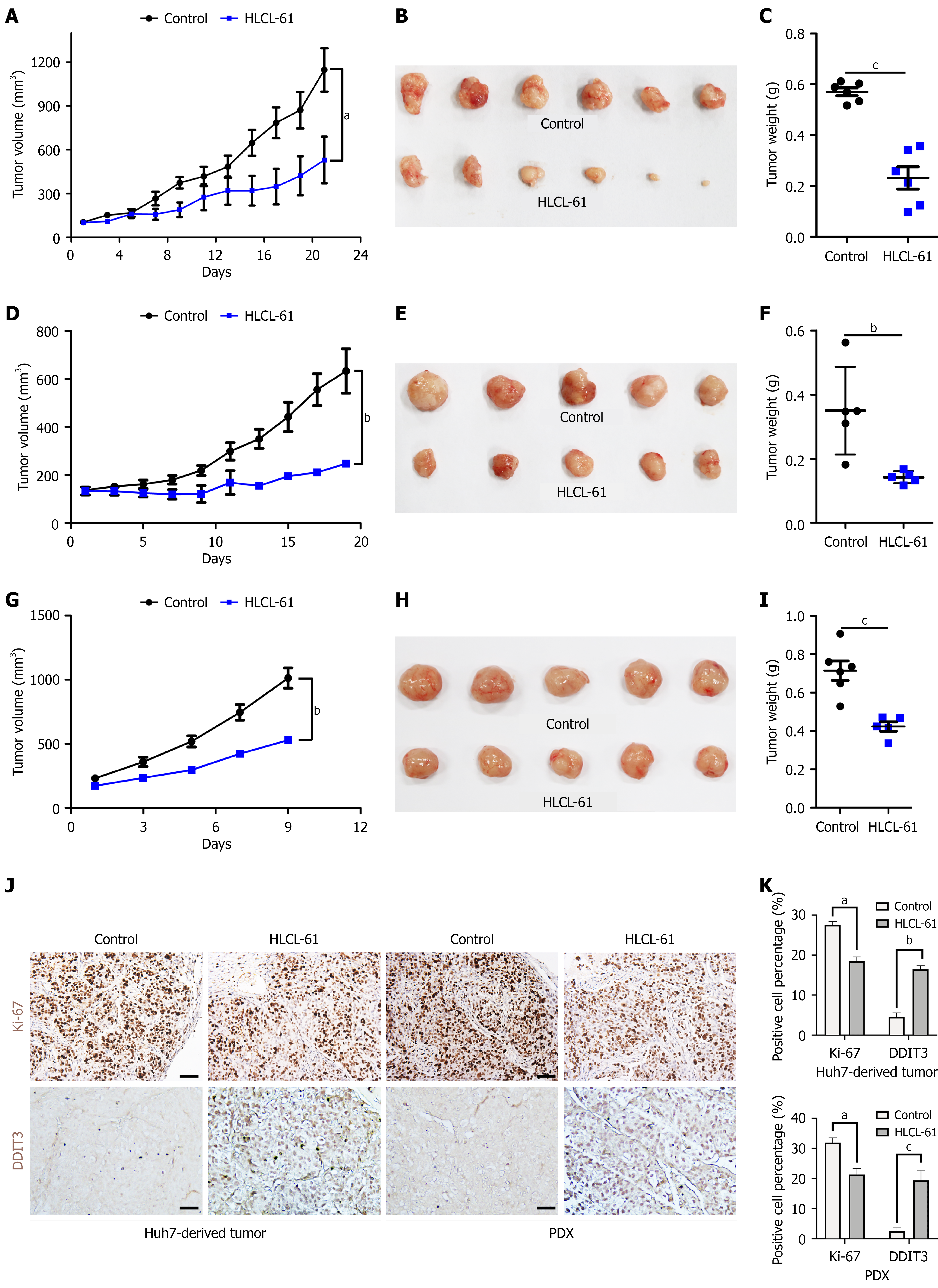
Figure 6 HLCL-61 was a promising strategy of hepatocellular carcinoma therapy.
A-F: The growth curve and weight of tumors generated by huh7 or HepG2 cells, which treated with vehicle and HLCL-61 (50mg/kg); G-I: HLCL-61 significantly reduced the volume and weight of tumors in patient-derived xenografts models; J and K: The Ki67 (scale bar = 50 μm) and DDIT3 (scale bar = 100 μm) staining of tumor tissues. Data are presented as the mean ± SD. aP < 0.05. bP < 0.01. cP < 0.001. PDX: Patient-derived xenografts.
- Citation: Jiang H, Yan JH, Tang WJ, Shen B, Mo S, Wang Y, Hu DH, Dong ZX, Zhang SB. PRMT5 imposed a dual repression on DDIT3 transcription to promote the malignancy of hepatocellular carcinoma. World J Gastroenterol 2026; 32(19): 115332
- URL: https://www.wjgnet.com/1007-9327/full/v32/i19/115332.htm
- DOI: https://dx.doi.org/10.3748/wjg.v32.i19.115332