
















Copyright: ©Author(s) 2026.
World J Gastroenterol. Apr 14, 2026; 32(14): 115790
Published online Apr 14, 2026. doi: 10.3748/wjg.v32.i14.115790
Published online Apr 14, 2026. doi: 10.3748/wjg.v32.i14.115790
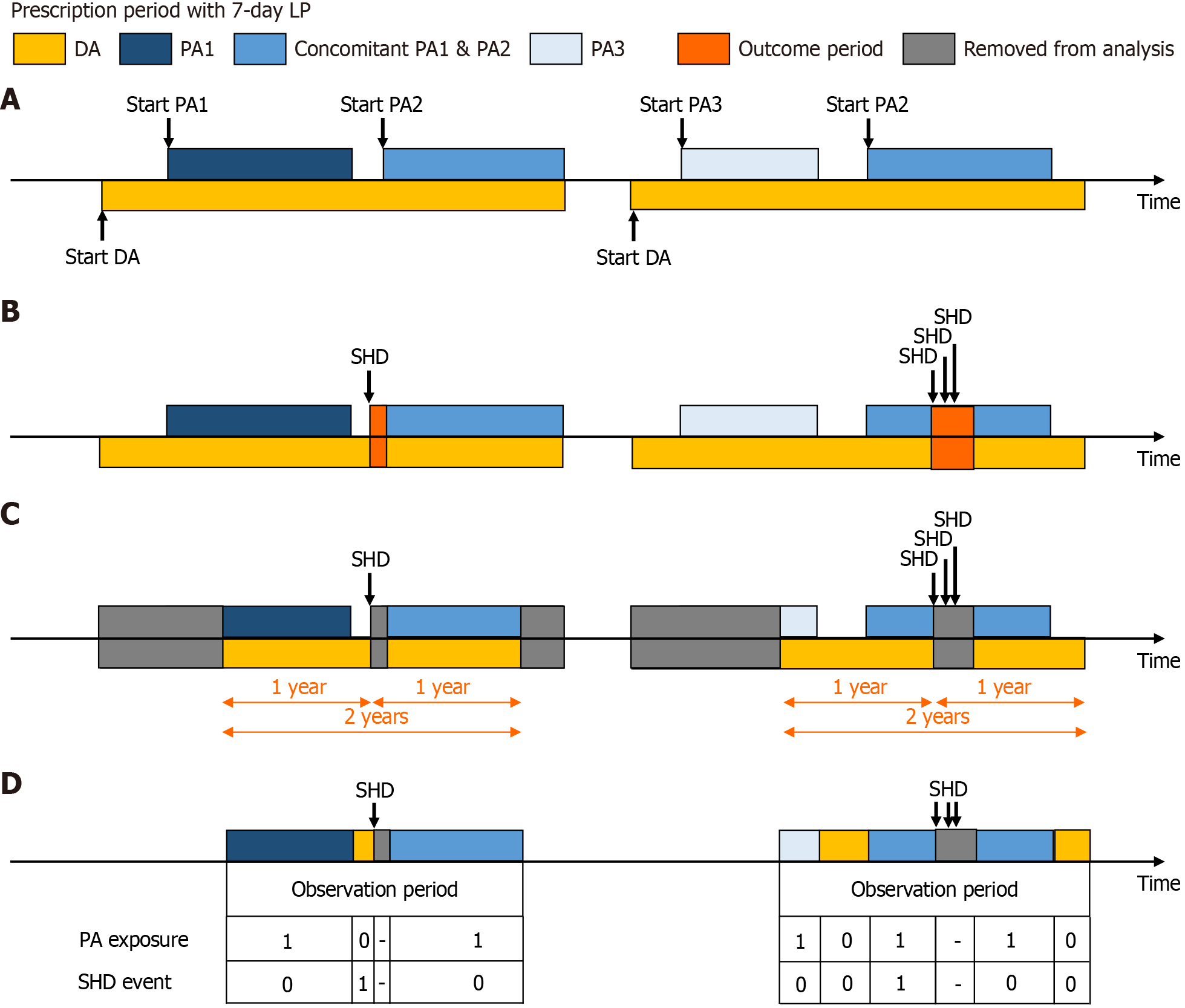
Figure 2 Schematic illustration of self-controlled case series design for a representative patient.
A: Observation period is defined as the entire duration of continuous mucosal damaging agent (DA) prescription periods plus the latent period. Within the observational period, protective agent (PA)-exposure period includes all continuous durations exposed to PAs (either a single agent or combination of agents) plus latent periods. The remaining observation period (i.e., non-PA periods or non-exposure periods) is the duration of DA alone; B: Outcome period is defined as the 30-day period following any significant hemoglobin drop (SHD) events. Overlapping outcome periods due to multiple SHDs were merged into a single outcome. The start of outcome period is considered the index date; C: For each SHD event, all observation periods are restricted to one year before and after the index date. The outcome periods are removed from the analysis; D: The incidence of SHD was assessed and compared between PA-exposure and non-PA periods. Using conditional Poisson regression models, incidence rate ratios for PA-exposure period were estimated compared to non-PA period. SDH: Significant hemoglobin drop; DA: Damaging agent; PA: Protective agent; LP: Latent period.
- Citation: Kim M, Chi SA, Kim JE, Kim ER, Hong SN, Kim YH, Kim K, Chang DK. Optimal strategies for mitigating gastrointestinal bleeding in patients receiving antiplatelet therapy: Real-world study. World J Gastroenterol 2026; 32(14): 115790
- URL: https://www.wjgnet.com/1007-9327/full/v32/i14/115790.htm
- DOI: https://dx.doi.org/10.3748/wjg.v32.i14.115790