
















Copyright: ©Author(s) 2026.
World J Gastroenterol. Apr 14, 2026; 32(14): 111455
Published online Apr 14, 2026. doi: 10.3748/wjg.v32.i14.111455
Published online Apr 14, 2026. doi: 10.3748/wjg.v32.i14.111455
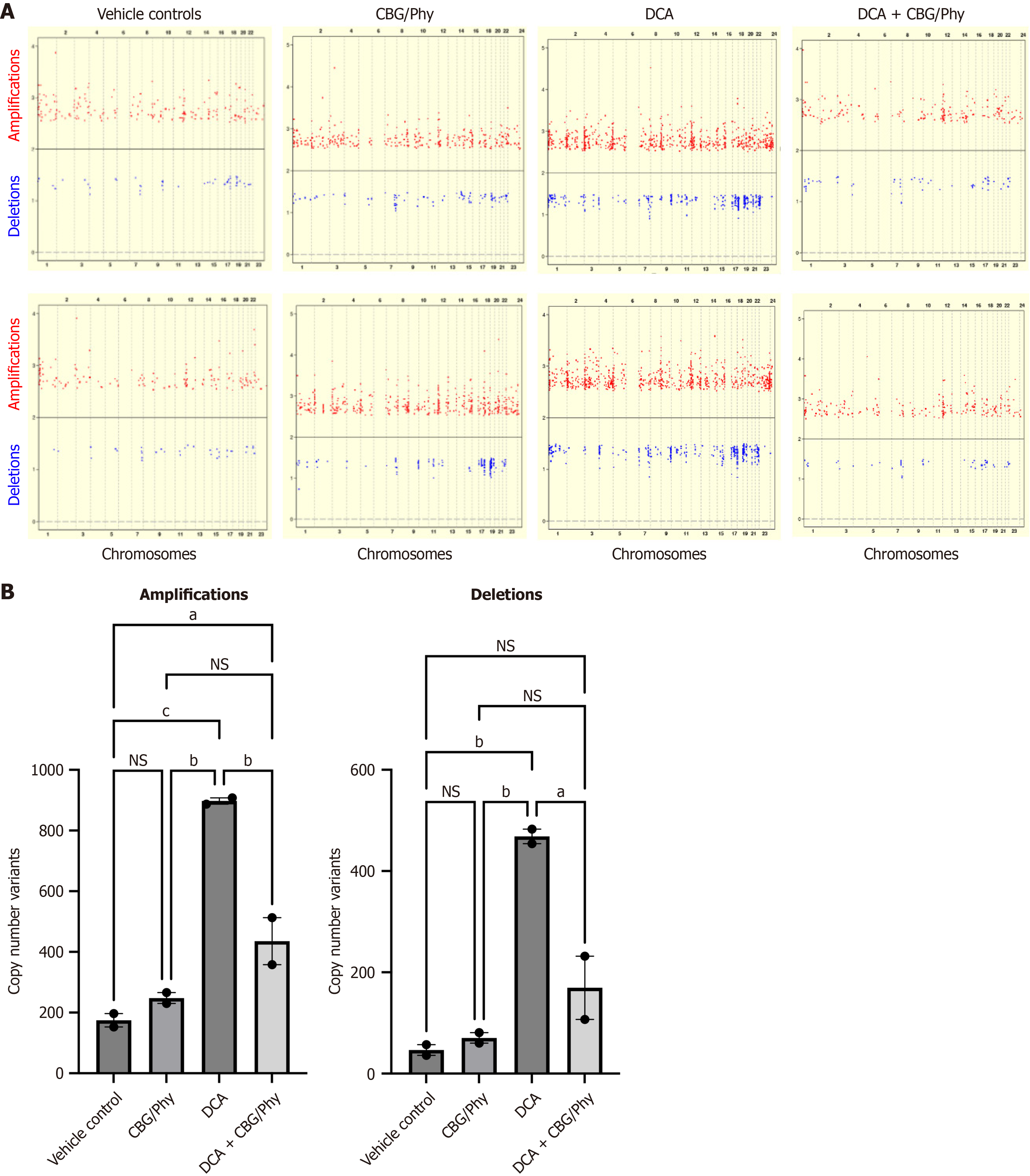
Figure 3 Cannabigerol and phytol at a 1:5 ratio reduce deoxycholic acid-induced genomic instability in normal esophageal epithelial cells.
A: Scatter plots of the whole genome amplifications and deletions in HET1A cells cultured in the presence of either vehicle control, 100 μmol/L deoxycholic acid (DCA), cannabigerol (CBG)/phytol admixture, or a combination of 100 μmol/L DCA and CBG/phytol admixture for 14 days. DNA extracted at day 14 was compared using precision medicine diversity arrays (Affymetrix) to the DNA of untreated cells collected at day 0; B: Bar graphs illustrate the quantitative analyses of the whole genome amplifications (left panel) and deletions (right panel). Data were analyzed using one-way analysis of variance with multiple comparisons. aP < 0.05. bP < 0.01. cP < 0.001. NS: Not significant; DCA: Deoxycholic acid; CBG: Cannabigerol; Phy: Phytol.
- Citation: Goldman A, Gonzalez G, Karpova SA, Buon L, Shammas MA, Mashimo H, Frank MH, Frank NY. Optimal cannabinoid-terpene combination ratios suppress mutagenicity of gastric reflux in normal and metaplastic esophageal cells. World J Gastroenterol 2026; 32(14): 111455
- URL: https://www.wjgnet.com/1007-9327/full/v32/i14/111455.htm
- DOI: https://dx.doi.org/10.3748/wjg.v32.i14.111455