
















Copyright: ©Author(s) 2026.
World J Gastroenterol. Apr 7, 2026; 32(13): 115299
Published online Apr 7, 2026. doi: 10.3748/wjg.v32.i13.115299
Published online Apr 7, 2026. doi: 10.3748/wjg.v32.i13.115299
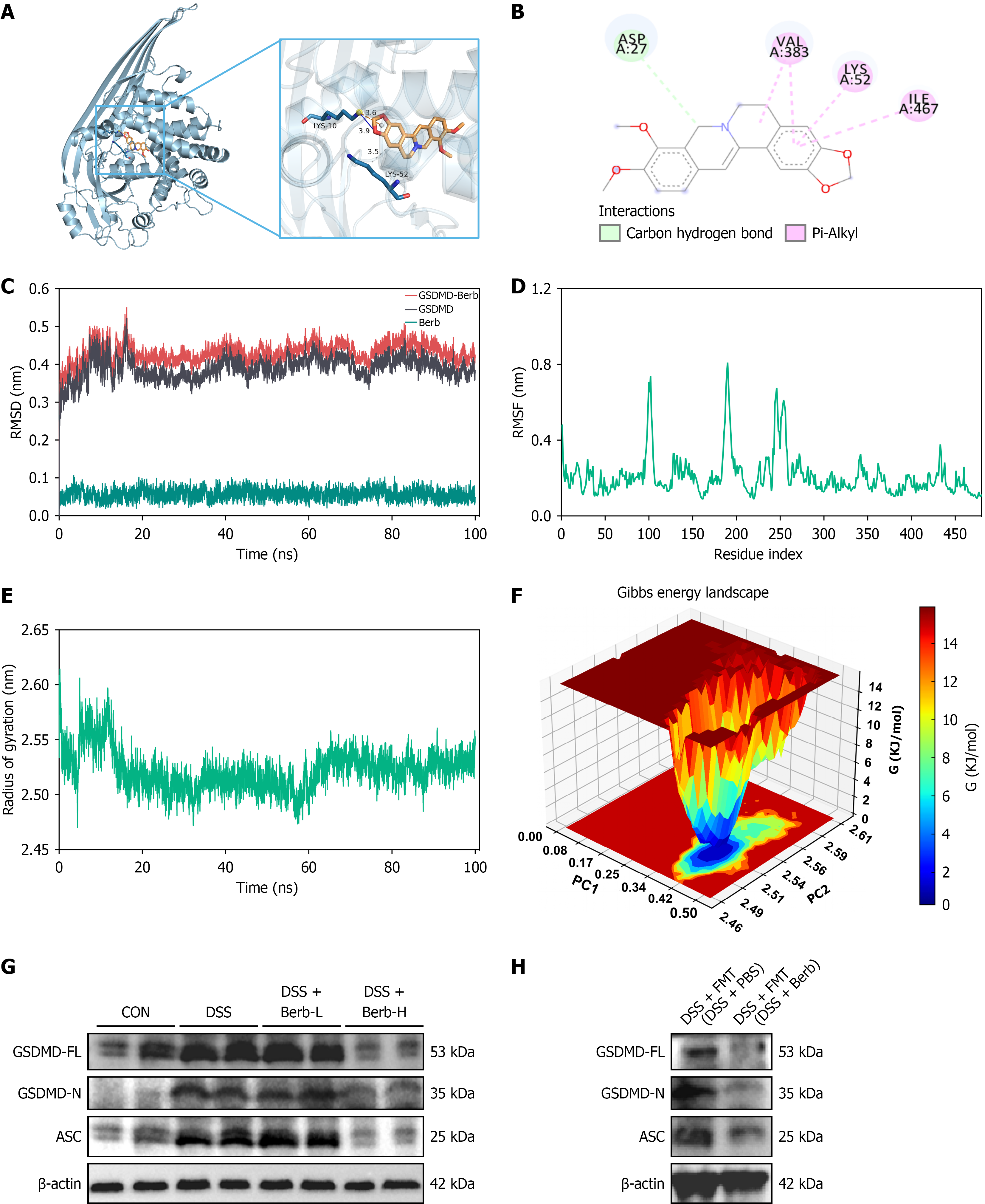
Figure 7 Effect of berberine on gasdermin D-related molecules.
A: Molecular docking analysis of berberine binding to the gasdermin D (GSDMD) protein. The binding energy is -7.3 kcal/mol; B: Dynamic analysis predicted the presence of hydrogen bonds between berberine and key amino acid residues VAL383, LYS52, and ILE467 of GSDMD; C: Root-mean-square deviation changes in the protein skeleton and small-molecule ligand during the molecular dynamics simulation; D: Root-mean-square fluctuation changes of berberine and GSDMD during the molecular dynamics simulation; E: Analysis of the radius of gyration during molecular dynamics simulation; F: Representation of the free energy landscape within a three-dimensional coordinate system; G: Western blot showing the protein expression levels of GSDMD and apoptosis-associated speck-like protein containing a caspase-recruitment domain on the 9th day after dextran sulfate sodium administration; H: Western blot showing the protein expression levels of GSDMD and apoptosis-associated speck-like protein containing a caspase-recruitment domain on the 9th day after fecal microbiota transplantation treatment. CON: Control; DSS: Dextran sulfate sodium; Berb-L: Berberine low-dose group; Berb-H: Berberine high-dose group; GSDMD: Gasdermin D; ASC: Apoptosis-associated speck-like protein containing a caspase-recruitment domain; FMT: Fecal microbiota transplantation; PBS: Pho
- Citation: Yang P, Wang R, Zhou YP, Wen JF, Yang DX. Berberine alleviates experimental colitis by enhancing gut-microbiota-dependent intestinal barrier function and suppressing gasdermin D activation. World J Gastroenterol 2026; 32(13): 115299
- URL: https://www.wjgnet.com/1007-9327/full/v32/i13/115299.htm
- DOI: https://dx.doi.org/10.3748/wjg.v32.i13.115299