
















Copyright: ©Author(s) 2026.
World J Gastroenterol. Mar 28, 2026; 32(12): 115853
Published online Mar 28, 2026. doi: 10.3748/wjg.v32.i12.115853
Published online Mar 28, 2026. doi: 10.3748/wjg.v32.i12.115853
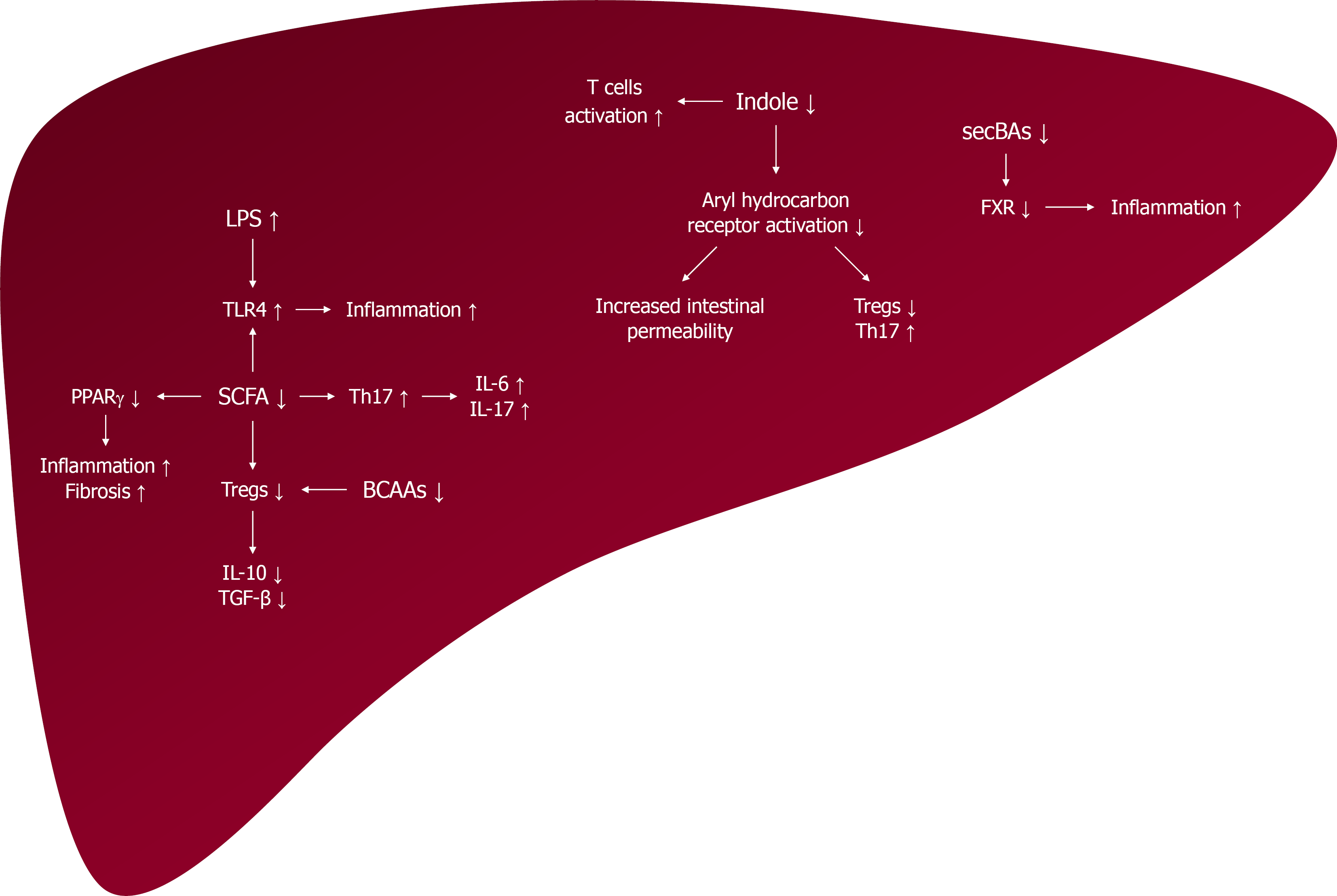
Figure 4 Microbiota-derived metabolites and immune system.
Gut dysbiosis leads to a reduced production of short-chain fatty acids (SCFA), branched-chain amino acids, secondary bile acids, and indole metabolites. These changes result in enhanced activation of pro-inflammatory cells (T helper 17 and others) and in the production of pro-inflammatory cytokines. In immune liver diseases in both patients and animal models, there is a deficiency and dysfunction of regulatory T cells (Tregs). Dysbiosis-associated decrease in the production of SCFAs and indole metabolites leads to more significant decrease in anti-inflammatory Treg cells and the cytokines they secrete (interleukin-10, transforming growth factor-β). Additionally, dysbiosis increases intestinal permeability, leading to high concentrations of lipopolysaccharide in blood and activation of Toll like receptor 4, which also amplifies inflammation. SCFA can induce the hepatic gamma-type peroxisome proliferator-activated receptor; therefore, a decrease in the production of the former leads to reduced activation of the latter, which results in increased inflammation and fibrosis processes. TLR: Toll like receptor; LPS: Lipopolysaccharide; Tregs: Regulatory T cells; SCFAs: Short-chain fatty acids; IL: Interleukin; TGF: Transforming growth factor; PPAR: Peroxisome proliferator-activated receptor; Th: T helper; BCAA: Branched-chain amino acid; FXR: Farnesoid X receptor; secBAs: Secondary bile acids.
- Citation: Kiseleva Y, Maslennikov R, Poluektova E, Zolnikova O, Sigidaev A, Zharikov Y, Shirokova E, Ivashkin V. Microbiome-immune interactions in autoimmune liver diseases. World J Gastroenterol 2026; 32(12): 115853
- URL: https://www.wjgnet.com/1007-9327/full/v32/i12/115853.htm
- DOI: https://dx.doi.org/10.3748/wjg.v32.i12.115853