
















Copyright: ©Author(s) 2026.
World J Gastroenterol. Mar 28, 2026; 32(12): 115853
Published online Mar 28, 2026. doi: 10.3748/wjg.v32.i12.115853
Published online Mar 28, 2026. doi: 10.3748/wjg.v32.i12.115853
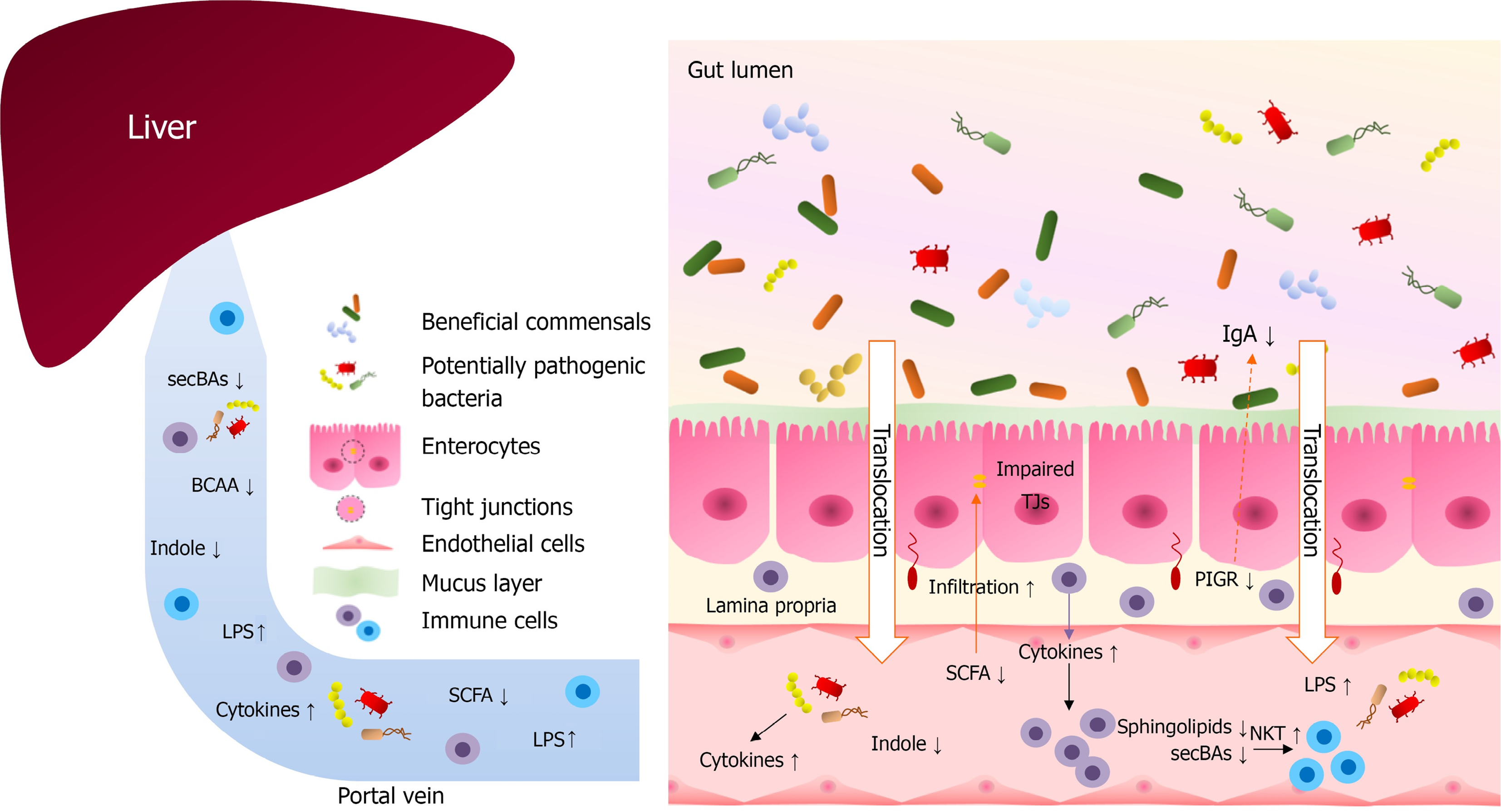
Figure 2 Microbiota-associated pathogenesis of autoimmune hepatitis.
Dysbiosis induce decreased tight junction (TJ) proteins expression and increased intestinal permeability, which leads to elevated serum lipopolysaccharide (LPS), infiltration of lamina propria and enhanced cytokines production. Increased LPS, bacteria and inflammatory cells migrate to the liver and initiate inflammation. Dysbiosis also leads to decreased production of short-chain fatty acids, branched-chain amino acids, secondary bile acids, indole, sphingolipids and etc., which play a protective role in the gut and liver. Decreased level of polymeric immunoglobulin receptor leads to reduced immunoglobulin A secretion and dysbiosis, inhibited TJ proteins expression and increased intestinal permeability. secBAs: Secondary bile acids; BCAA: Branched-chain amino acid; LPS: Lipopolysaccharide; SCFA: Short-chain fatty acid; IgA: Immunoglobulin A; TJ: Tight junction; PIGR: Polymeric immunoglobulin receptor; NKT: Natural killer T cell.
- Citation: Kiseleva Y, Maslennikov R, Poluektova E, Zolnikova O, Sigidaev A, Zharikov Y, Shirokova E, Ivashkin V. Microbiome-immune interactions in autoimmune liver diseases. World J Gastroenterol 2026; 32(12): 115853
- URL: https://www.wjgnet.com/1007-9327/full/v32/i12/115853.htm
- DOI: https://dx.doi.org/10.3748/wjg.v32.i12.115853