
















Copyright: ©Author(s) 2026.
World J Gastroenterol. Mar 28, 2026; 32(12): 115853
Published online Mar 28, 2026. doi: 10.3748/wjg.v32.i12.115853
Published online Mar 28, 2026. doi: 10.3748/wjg.v32.i12.115853
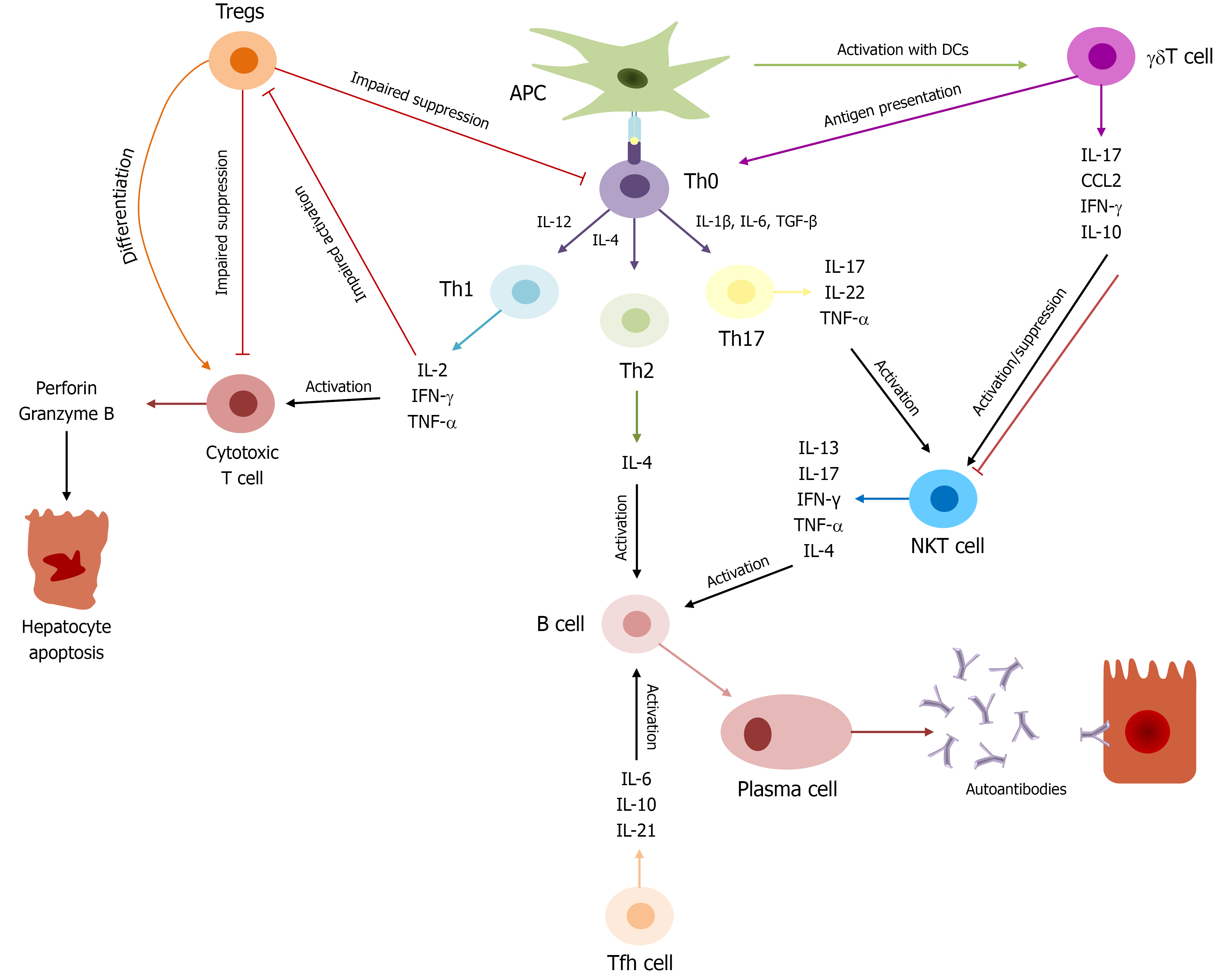
Figure 1 Immunopathogenesis of autoimmune hepatitis.
Hepatic autoantigens interact with antigen-presenting cells, which lead to the activation of cluster of differentiation (CD) 4+ T helper (Th) 0 with differentiation into Th1, Th2, Th17 cells, secreting different cytokines [various interleukin (IL), tumor necrosis factor-α, and interferon-γ]. Activation of cytotoxic CD8+ T cells with Th1 cytokines inducing hepatocyte apoptosis. CD4+ Th2, natural killer T cells and T follicular helper activate B cells with different cytokines (IL-4, IL-6, IL-21 and etc.) and promote their differentiation into plasma cells, producing autoantibodies. Regulatory T cells are defective in autoimmune hepatitis patients and cannot suppress CD8+ and CD4+ T cells, but can transform into cytotoxic T cells with further hepatocyte apoptosis. Gamma delta T cells can act as pro- and anti-inflammatory cells. Proinflammatory cytokines induce inflammation, cellular infiltration and liver damage. Tregs: Regulatory T cells; Th: T helper; IL: Interleukin; IFN: Interferon; TNF: Tumor necrosis factor; APC: Antigen-presenting cells; TGF: Transforming growth factor; DC: Dendritic cell; NKT: Natural killer T cell; Tfh: T follicular helper cell; γδT: Gamma delta T cell.
- Citation: Kiseleva Y, Maslennikov R, Poluektova E, Zolnikova O, Sigidaev A, Zharikov Y, Shirokova E, Ivashkin V. Microbiome-immune interactions in autoimmune liver diseases. World J Gastroenterol 2026; 32(12): 115853
- URL: https://www.wjgnet.com/1007-9327/full/v32/i12/115853.htm
- DOI: https://dx.doi.org/10.3748/wjg.v32.i12.115853