
















Copyright: ©Author(s) 2026.
World J Gastroenterol. Mar 21, 2026; 32(11): 114335
Published online Mar 21, 2026. doi: 10.3748/wjg.v32.i11.114335
Published online Mar 21, 2026. doi: 10.3748/wjg.v32.i11.114335
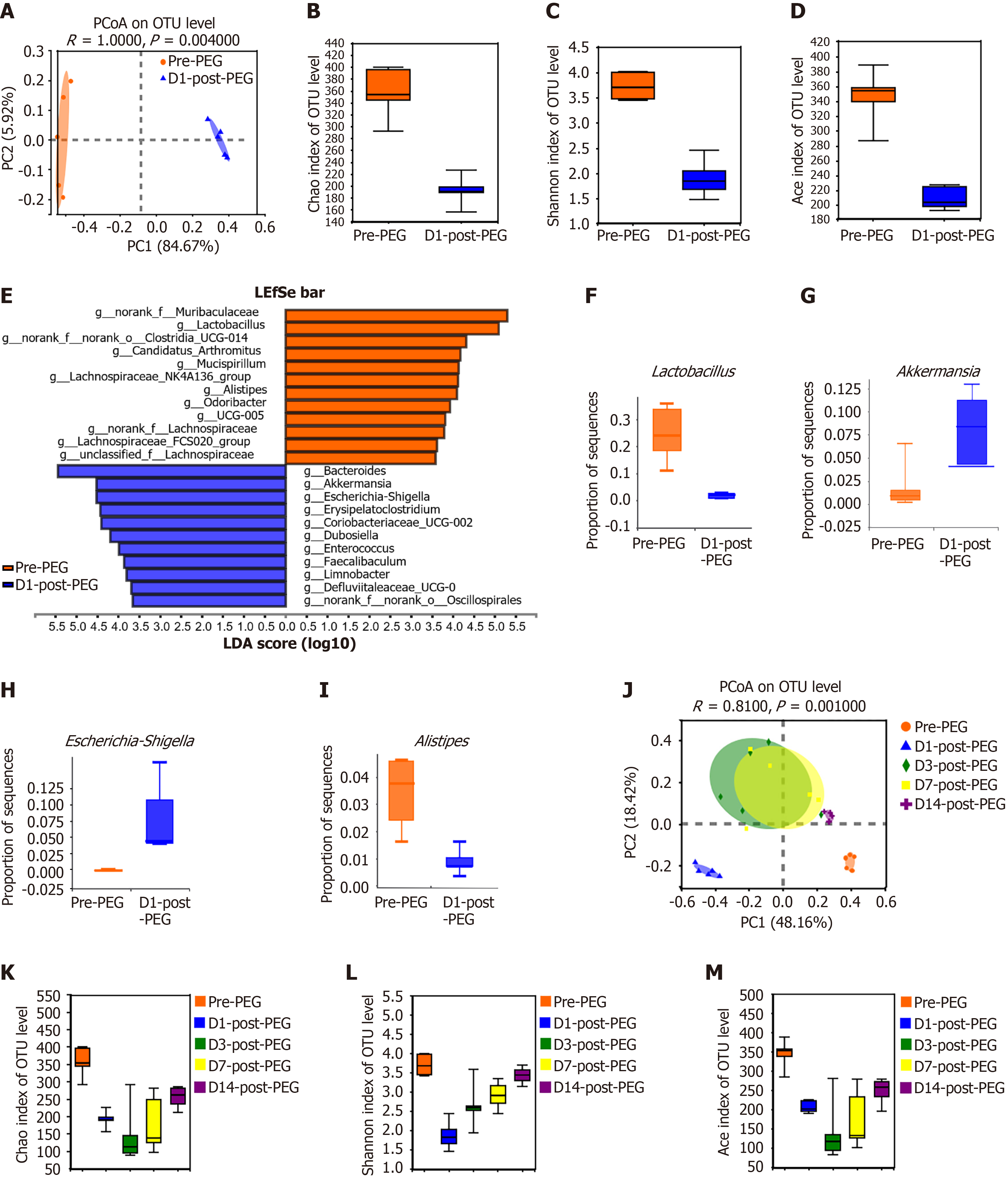
Figure 4 Gut microbiota dysbiosis play an essential role in the polyethylene glycol relative infection.
A: Principal coordinate analysis (PCoA) of fecal microbiota pre-polyethylene glycol (PEG) and 1 day post PEG; B-D: Shannon, Chao, and ACE indices of operational taxonomic unit levels of fecal microbiota; E: LDA score for differences between pre-PEG and 1 day post PEG; F-I: Relative abundance of Lactobacillus, Akkermansia, Escherichia-Shigella and Alistipes on genus levels; J: Principal coordinate analysis of fecal microbiota pre-PEG, 1 day post PEG, 3-day post PEG, 7-day post PEG and 14-day post PEG; K-M: Shannon, Chao, and ACE indices of operational taxonomic unit levels of fecal microbiota pre-PEG, 1 day post PEG, 3-day post PEG, 7-day post PEG and 14-day post PEG. Data are expressed as mean ± SD; statistical significance was determined by a two-sided Student’s t-test. PCoA: Principal coordinate analysis; PEG: Polyethylene glycol; OTU: Operational taxonomic unit; LEfSe: Linear discriminant analysis Effect Size.
- Citation: Kou GJ, Shen J, Li LX, Zuo XL, Li YQ. Lactobacillus acidophilus attenuates polyethylene glycol-induced susceptibility to Citrobacter rodentium infection via microbiota modulation. World J Gastroenterol 2026; 32(11): 114335
- URL: https://www.wjgnet.com/1007-9327/full/v32/i11/114335.htm
- DOI: https://dx.doi.org/10.3748/wjg.v32.i11.114335