
















Copyright: ©Author(s) 2026.
World J Gastroenterol. Mar 21, 2026; 32(11): 114335
Published online Mar 21, 2026. doi: 10.3748/wjg.v32.i11.114335
Published online Mar 21, 2026. doi: 10.3748/wjg.v32.i11.114335
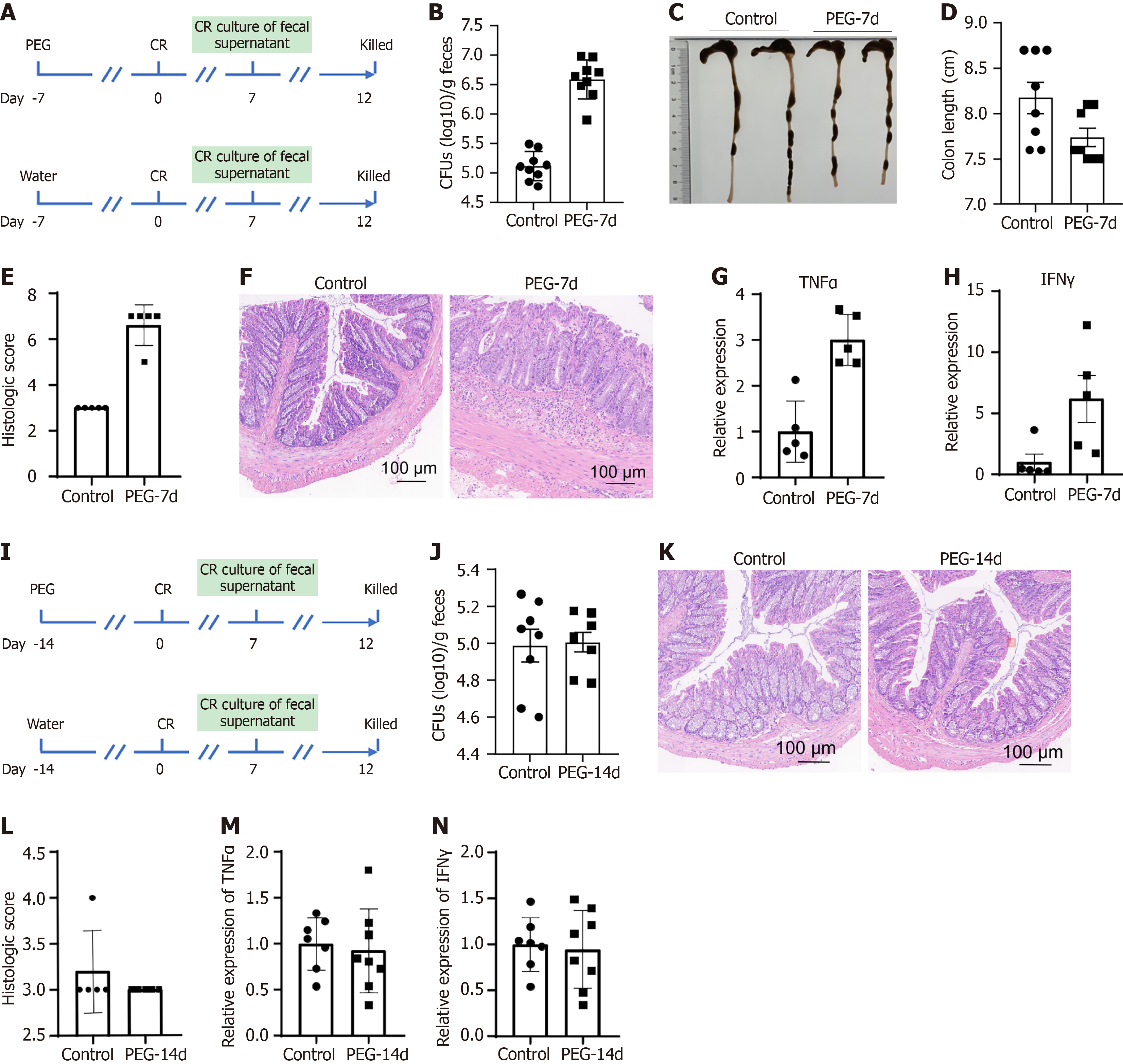
Figure 3 Polyethylene glycol results in an infection window of 14 days.
A: Mice were gavaged with polyethylene glycol 7-day before infection with Citrobacter rodentium (CR); B: CR load of the feces; C and D: Colon length; E and F: Representative hematoxylin and eosin staining (20 ×) and pathological score of the inflamed colon epithelium; G and H: The mRNA expression of the tumor necrosis factor-α and interferon-γ of the inflamed colon; I: Mice were gavaged with polyethylene glycol 14-day before infection with CR; J: CR load of the feces; K and L: Representative hematoxylin and eosin staining (20 ×) and pathological score of the inflamed colon epithelium; M and N: The mRNA expression of the tumor necrosis factor-α and interferon-γ of the inflamed colon. Data are representative of at least two independent experiments. Data are shown as mean ± SD. CR: Citrobacter rodentium; CFUs: Colony-forming units; PEG: Polyethylene glycol; TNFα: Tumor necrosis factor-α; IFNγ: Interferon-γ.
- Citation: Kou GJ, Shen J, Li LX, Zuo XL, Li YQ. Lactobacillus acidophilus attenuates polyethylene glycol-induced susceptibility to Citrobacter rodentium infection via microbiota modulation. World J Gastroenterol 2026; 32(11): 114335
- URL: https://www.wjgnet.com/1007-9327/full/v32/i11/114335.htm
- DOI: https://dx.doi.org/10.3748/wjg.v32.i11.114335