
















Copyright: ©Author(s) 2026.
World J Gastroenterol. Mar 21, 2026; 32(11): 113325
Published online Mar 21, 2026. doi: 10.3748/wjg.v32.i11.113325
Published online Mar 21, 2026. doi: 10.3748/wjg.v32.i11.113325
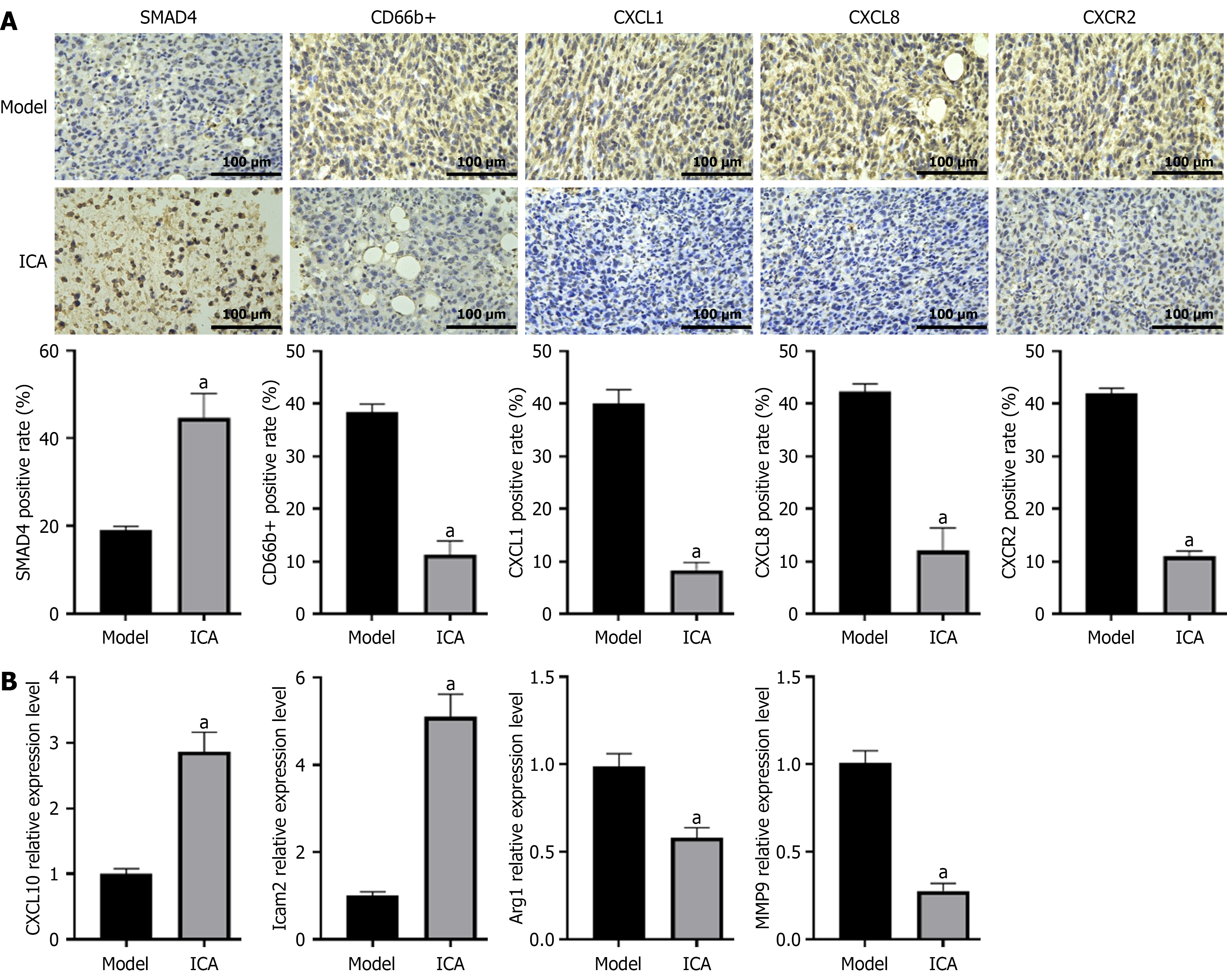
Figure 10 Icariin impacts N1/N2 polarization of neutrophils in the cancer tissues of colorectal cancer mice.
A: The positive rate of SMAD4, CD66b+, C-X-C motif chemokine ligand 1 (CXCL1), CXCL8, and C-X-C motif chemokine receptor 2 detected by immunohistochemistry; B: Reverse transcription-quantitative polymerase chain reaction was used to detect the expression of NI-type (CXCL10 and intercellular adhesion molecule 2) and N2-type (arginase 1 and matrix metalloproteinase 9) markers in tumor tissue samples. Results are illustrated as mean ± SD. aP < 0.05 vs the model group. ICA: Icariin; CXCL: C-X-C motif chemokine ligand; CXCR2: C-X-C motif chemokine receptor 2; Icam2: Intercellular adhesion molecule 2; Arg1: Arginase 1; MMP9: Matrix metalloproteinase 9.
- Citation: Zhao YH, Chen J, Gong T, Ge HY, Li M. Icariin inhibits tumor-associated neutrophil recruitment via the CXCL8-CXCR2 axis and restrains pro-metastatic programs in colorectal cancer. World J Gastroenterol 2026; 32(11): 113325
- URL: https://www.wjgnet.com/1007-9327/full/v32/i11/113325.htm
- DOI: https://dx.doi.org/10.3748/wjg.v32.i11.113325