
















©The Author(s) 2026.
World J Gastroenterol. Jan 7, 2026; 32(1): 114479
Published online Jan 7, 2026. doi: 10.3748/wjg.v32.i1.114479
Published online Jan 7, 2026. doi: 10.3748/wjg.v32.i1.114479
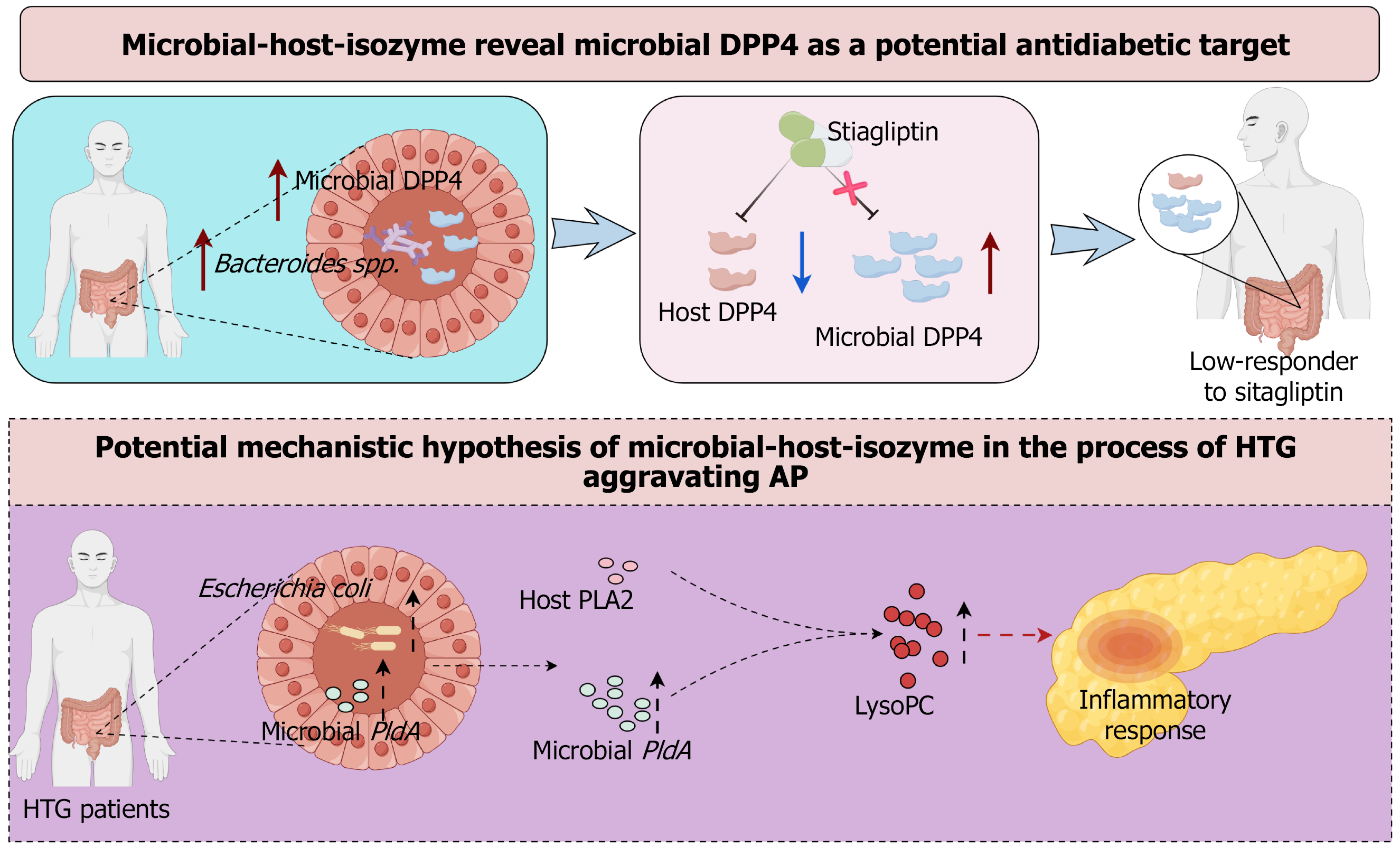
Figure 4 Future prospects of microbial-host-isozyme in the diagnosis and treatment of hypertriglyceridemia-induced acute pancreatitis.
Bacteroides spp. in the gut can secrete dipeptidyl peptidase 4 (DPP4). Sitagliptin can only inhibit host DPP4 activity but not microbial-derived DPP4 activity, leading to a low response to sitagliptin in patients. Escherichia coli (E. coli) is frequently enriched in patients with hypertriglyceridemia. PldA of E. coli can synthesize products with phospholipase A2 activity to promote the production of lysophosphatidylcholine and thus aggravate the inflammatory response of acute pancreatitis. DPP4: Dipeptidyl peptidase 4; AP: Acute pancreatitis; HTG: Hypertriglyceridemia; PLA2: Phospholipase A2; LysoPC: Lysophosphatidylcholine.
- Citation: Song XF, Liu Y, Fei QM, Xu CL, Ji FP. Potential influence of gut microbiota on the process of hypertriglyceridemia-aggravated acute pancreatitis. World J Gastroenterol 2026; 32(1): 114479
- URL: https://www.wjgnet.com/1007-9327/full/v32/i1/114479.htm
- DOI: https://dx.doi.org/10.3748/wjg.v32.i1.114479