
















©The Author(s) 2026.
World J Gastroenterol. Jan 7, 2026; 32(1): 114479
Published online Jan 7, 2026. doi: 10.3748/wjg.v32.i1.114479
Published online Jan 7, 2026. doi: 10.3748/wjg.v32.i1.114479
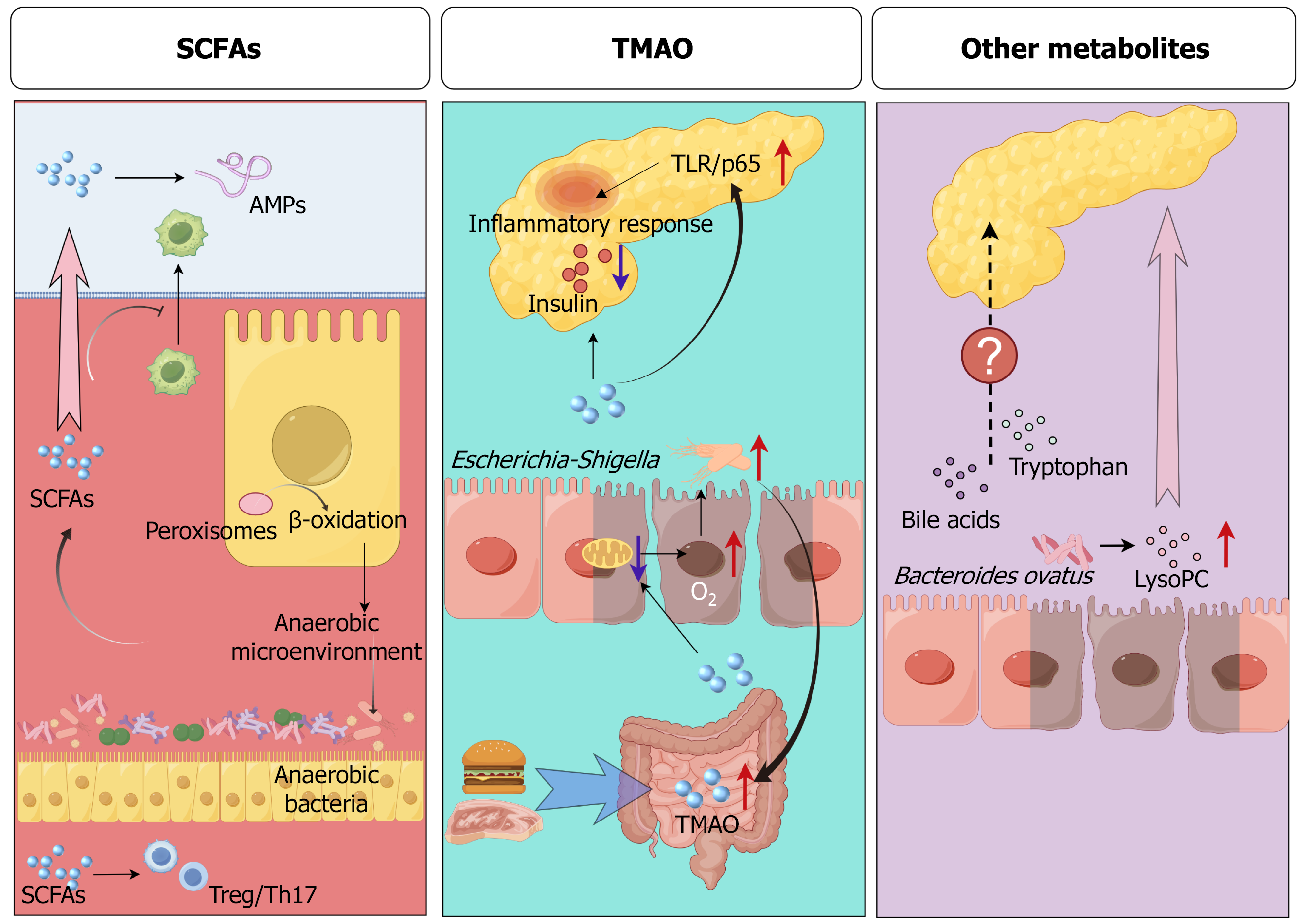
Figure 3 Gut microbiota-driven metabolites regulate the inflammatory response of the pancreas.
Short-chain fatty acids (SCFAs) can regulate the regulatory T cell/T helper 17 cell ratio and the production of antimicrobial peptides in the pancreas, and inhibit the infiltration of macrophages into the pancreas. In addition, SCFAs can activate peroxisomes, promote colonic epithelial cells toward β-oxidation, and deplete gut oxygen to maintain an anaerobic environment and inhibit the overgrowth of pathogenic bacteria. Trimethylamine N-oxide (TMAO) impairs mitochondrial function in colonic epithelial cells, resulting in an increase in gut oxygen concentration and promoting the growth of Escherichia-Shigella. In addition, TMAO also leads to decreased insulin secretion and aggravates pancreatic inflammation through Toll-like receptor/p65. Bacteroides ovatus in the gut can synthesize lysophosphatidylcholine to promote inflammation of the pancreas. SCFAs: Short-chain fatty acids; TMAO: Trimethylamine N-oxide; AMP: Antimicrobial peptides; Treg: Regulatory T; Th: T helper; TLR: Toll-like receptor; LysoPC: Ly
- Citation: Song XF, Liu Y, Fei QM, Xu CL, Ji FP. Potential influence of gut microbiota on the process of hypertriglyceridemia-aggravated acute pancreatitis. World J Gastroenterol 2026; 32(1): 114479
- URL: https://www.wjgnet.com/1007-9327/full/v32/i1/114479.htm
- DOI: https://dx.doi.org/10.3748/wjg.v32.i1.114479